
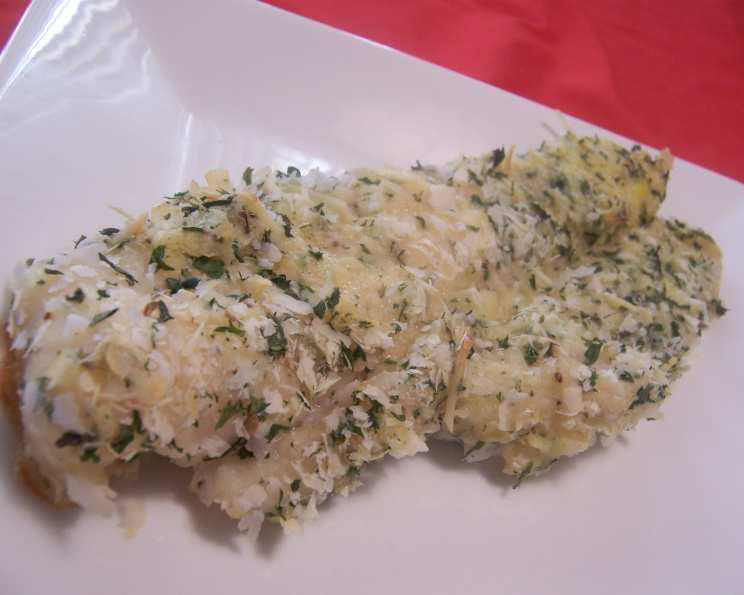
Potato Flake Fish: A Simple Comfort Food Classic
I remember the first time I tasted this dish. I was probably ten years old, and my Aunt Millie, not exactly known for her culinary prowess, presented it with a flourish. I was initially skeptical—fish coated in potato flakes? But one bite, and I was hooked. The crispy, golden coating and the tender, flaky fish inside were a revelation. It was simple, comforting, and surprisingly delicious. This dish brings back the familiar scents and sounds of my childhood and reminds me that great food doesn’t always have to be complicated.
Recipe Overview
- Prep Time: 15 minutes
- Cook Time: 20 minutes
- Total Time: 35 minutes
- Servings: 4-6
- Dietary Type: Generally Gluten-Free (see variations)
Ingredients
- 1 – 1 ½ lb cod fish fillets or 1 – 1 ½ lb any mild white fish fillet
- ⅛ teaspoon salt
- ⅛ teaspoon ground black pepper
- ½ cup flour
- ½ cup instant potato flakes
- ¼ cup grated Parmesan cheese
- 2 tablespoons parsley
- ¼ teaspoon garlic powder
- 2 eggs, beaten
Equipment Needed
- 13″ x 9″ (or larger) baking dish
- Shallow bowls
- Measuring cups and spoons
Instructions
-
Preheat your oven to 375°F (190°C). Lightly grease a 13″ x 9″ (or larger) baking dish. This prevents the fish from sticking and ensures even cooking. A little cooking spray or a light brush of oil works well.
-
In a shallow bowl, combine the salt, pepper, and flour. Whisk together thoroughly to ensure the seasonings are evenly distributed throughout the flour. This seasoned flour will provide the initial coating for the fish.
-
In a separate shallow bowl, combine the instant potato flakes, Parmesan cheese, parsley, and garlic powder. Mix well with a fork or whisk until thoroughly combined. This mixture will create the crispy outer coating.
-
Dip each fish fillet into the flour mixture, ensuring it’s completely coated. Shake off any excess flour. This initial coating helps the egg adhere better.
-
Next, dip each flour-coated fish fillet into the beaten eggs, making sure it’s fully submerged. Allow any excess egg to drip off.
-
Immediately after the egg dip, coat each fish fillet with the potato flake mixture, pressing gently to ensure the flakes adhere well to all sides of the fillet. The potato flakes should form a nice, even crust.
-
Arrange the coated fish fillets in the prepared baking pan, ensuring they are not overcrowded. If necessary, use two baking pans to avoid overlapping, which can lead to uneven cooking.
-
Bake, uncovered, at 375°F (190°C) until the fish is golden brown and flaky, approximately 20 minutes. Cooking time may vary depending on the thickness of the fish fillets, so check for doneness around the 18-minute mark. The fish is done when it flakes easily with a fork.
Expert Tips & Tricks
- Crispier Coating: For an extra crispy coating, lightly spray the potato flake-coated fish with cooking spray before baking.
- Prevent Soggy Fish: Make sure the fish is patted dry with paper towels before coating. Excess moisture will make the coating soggy.
- Cheese Choice: While Parmesan is traditional, you can experiment with other hard cheeses like Pecorino Romano or Asiago for a different flavor profile.
- Herb Power: Fresh herbs, finely chopped, can add a burst of flavor. Try adding dill, chives, or thyme to the potato flake mixture.
- Make-Ahead Tip: Prepare the fish up to the point of baking and store it, covered, in the refrigerator for a few hours. Add a few minutes to the baking time.
Serving & Storage Suggestions
Serve the Potato Flake Fish immediately after baking for the best texture and flavor. It pairs well with steamed vegetables, a simple salad, or a lemon-dill sauce.
To store leftovers, allow the fish to cool completely, then transfer it to an airtight container and refrigerate. It will keep in the refrigerator for up to 2 days.
To reheat, bake the fish in a preheated oven at 350°F (175°C) for about 10-15 minutes, or until heated through. You can also reheat it in a microwave, but the coating will likely become softer. Avoid freezing cooked potato flake fish, as this will significantly degrade its texture.
Nutritional Information
| Nutrient | Amount per Serving | % Daily Value |
|---|---|---|
| Calories | 256.6 kcal | N/A |
| Calories from Fat | 56g | 22% |
| Total Fat | 6.3 g | 9% |
| Saturated Fat | 2.6 g | 12% |
| Cholesterol | 155.2 mg | 51% |
| Sodium | 272.1 mg | 11% |
| Total Carbohydrate | 18.8 g | 6% |
| Dietary Fiber | 1 g | 4% |
| Sugars | 0.5 g | 1% |
| Protein | 30.7 g | 61% |
Note: Nutritional information is an estimate and may vary based on specific ingredients and portion sizes.
Variations & Substitutions
- Gluten-Free: Substitute the all-purpose flour with a gluten-free all-purpose flour blend. Ensure the potato flakes are also certified gluten-free, as some brands may contain trace amounts of gluten.
- Dairy-Free: Omit the Parmesan cheese or substitute it with a nutritional yeast for a cheesy flavor without the dairy.
- Spice It Up: Add a pinch of cayenne pepper or red pepper flakes to the potato flake mixture for a little heat.
- Herb Variations: Experiment with different herbs like dried oregano, basil, or thyme.
- Fish Type: While cod is a classic choice, you can use other mild white fish fillets like haddock, tilapia, or pollock. Adjust cooking time as needed based on the fish’s thickness.
- Deluxe Version: Mix a tablespoon of melted butter into the potato flake mixture for added richness.
FAQs (Frequently Asked Questions)
Q: Can I use seasoned potato flakes instead of plain?
A: While you can, be mindful of the sodium content, as seasoned potato flakes often contain a lot of salt. You may need to adjust the amount of added salt accordingly.
Q: How can I prevent the potato flakes from falling off during cooking?
A: Ensuring the fish is fully coated with flour and egg before applying the potato flakes is key. Press the potato flakes gently into the fish to help them adhere.
Q: Can I air fry this instead of baking?
A: Yes! Preheat your air fryer to 375°F (190°C). Cook the fish for about 12-15 minutes, flipping halfway through, until golden brown and flaky.
Q: What’s the best way to tell if the fish is cooked through?
A: The fish is done when it flakes easily with a fork and the internal temperature reaches 145°F (63°C).
Q: Can I add lemon zest to the potato flake mixture?
A: Absolutely! Lemon zest adds a bright, citrusy note that complements the fish beautifully. Add about a teaspoon of lemon zest to the potato flake mixture.
Final Thoughts
This Potato Flake Fish is a testament to the fact that simplicity can be extraordinary. With just a handful of ingredients and minimal effort, you can create a dish that’s both comforting and delicious. Don’t hesitate to experiment with variations and make it your own. Gather your ingredients, preheat your oven, and get ready to enjoy a taste of childhood nostalgia. I’d love to hear how this turns out for you, so don’t hesitate to share your feedback and photos. This fish pairs perfectly with a crisp white wine or a refreshing glass of lemonade!