
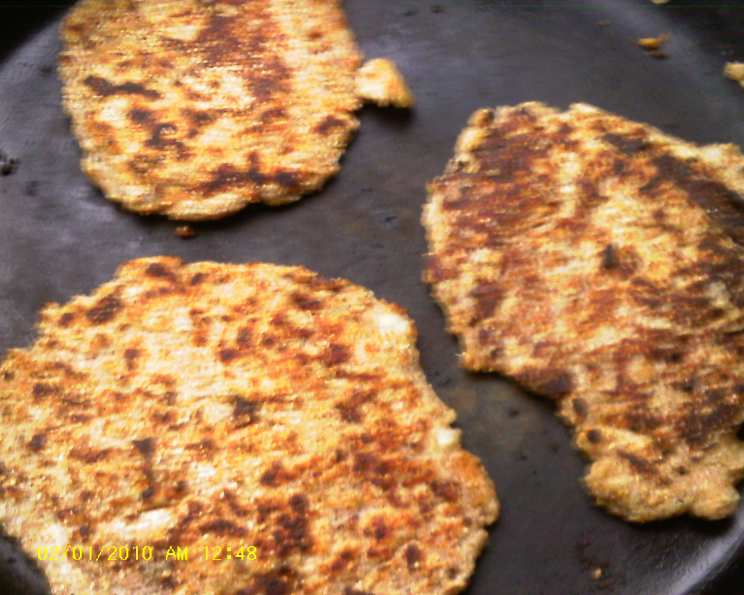
Kartofluflatbrauth: A Taste of Scandinavian Simplicity
I remember the first time I tasted kartofluflatbrauth. It wasn’t in a fancy restaurant, but at a small summer festival in rural Sweden. The air was filled with the scent of woodsmoke and wildflowers, and an elderly woman was flipping these simple potato flatbreads on a massive cast-iron griddle over an open fire. They were served warm, slathered with butter and sprinkled with a crumbly, sharp cheese. The taste – earthy, slightly sweet, and utterly comforting – transported me to a simpler time, a connection to the land and traditions that felt deeply nourishing.
Recipe Overview
- Prep Time: 20 minutes
- Cook Time: Varies
- Total Time: Varies
- Servings: 6
- Yield: 6 flatbreads
- Dietary Type: Vegetarian (easily vegan with butter/cheese substitutes)
Ingredients
- 1 lb potatoes, cooked
- ½ lb rye flour
Equipment Needed
- Potato masher or ricer
- Mixing bowl
- Rolling pin
- Fork
- Hot cast-iron pan or griddle
- Damp cloth
Instructions
-
Begin by peeling the cooked potatoes. While they are still warm, mash them thoroughly using a potato masher or pass them through a ricer for an even smoother texture. The key is to eliminate any lumps for a consistent dough.
-
Allow the mashed potatoes to cool slightly. This is important because adding flour to hot potatoes can result in a gummy texture.
-
Once the potatoes have cooled enough to handle comfortably, begin to knead in the rye flour. The amount of rye flour you need will depend on the moisture content of your potatoes. Start with about half the flour and gradually add more, kneading until the dough comes together and no longer sticks to your hands. The dough should be pliable and easy to work with, but not sticky. Be careful not to overwork the dough, as this can develop the gluten in the rye flour and make the flatbreads tough.
-
Divide the dough into six equal portions. With your hands, form each portion into a round ball, roughly the size of a tennis ball.
-
On a lightly floured surface, use a rolling pin to flatten each ball into a thin circle. Aim for a thickness of about 1/8 inch. The thinner you roll them, the crispier they will be. Don’t worry too much about perfectly round shapes; rustic imperfections add to their charm.
-
Using a fork, prick the surface of each flattened dough circle several times. This prevents the flatbreads from puffing up too much during cooking.
-
Heat a cast-iron pan or griddle over low heat. It’s crucial to use low heat; otherwise, the flatbreads will burn on the outside before they are cooked through. A properly heated pan will cook the flatbreads evenly and develop a beautiful color.
-
Bake the flatbreads on the hot cast-iron pan, flipping occasionally, until they are cooked through and lightly browned on both sides. The cooking time will vary depending on the thickness of the flatbreads and the heat of your pan, but it typically takes a few minutes per side. Watch them carefully to prevent burning.
-
As the flatbreads are cooked, pile them up and cover them with a damp cloth. This helps to keep them soft and pliable.
-
Serve the kartofluflatbrauth warm or cold, with butter, cheese, cold cuts, or any of your favorite toppings.
Expert Tips & Tricks
- Potato Choice: Starchy potatoes like russets or Yukon Golds work best for this recipe. They create a light and airy flatbread.
- Rye Flour Quality: Use good quality rye flour for the best flavor. Look for finely ground rye flour if possible.
- Dough Consistency: The key to successful kartofluflatbrauth is the dough consistency. If the dough is too sticky, add more rye flour a tablespoon at a time. If the dough is too dry, add a teaspoon of water or milk at a time.
- Even Cooking: To ensure even cooking, rotate the flatbreads on the hot pan or griddle every minute or so.
- Flavor Boost: Add a pinch of salt to the mashed potatoes before kneading in the flour for enhanced flavor. Some finely chopped herbs like dill or chives can also add a delicious twist.
- Make Ahead: The dough can be made ahead of time and stored in the refrigerator for up to 24 hours. Bring it to room temperature before rolling out the flatbreads.
Serving & Storage Suggestions
Serve kartofluflatbrauth warm with a generous spread of butter, a sprinkle of flaky sea salt, and a side of your favorite Scandinavian toppings. They pair perfectly with smoked salmon, pickled herring, hard cheeses like Jarlsberg or Gruyère, and cold cuts. They are also delicious with a dollop of sour cream or a drizzle of honey.
Leftover flatbreads can be stored at room temperature in an airtight container for up to 2 days. To keep them softer, wrap them in a damp cloth before storing. They can also be stored in the refrigerator for up to 5 days. To reheat, warm them in a dry skillet or in a low oven until heated through. Freezing is not generally recommended, as it can affect the texture.
Nutritional Information
| Nutrient | Amount per Serving | % Daily Value |
|---|---|---|
| Calories | 190 kcal | 10% |
| Total Fat | 0.6g | 1% |
| Saturated Fat | 0.1g | 0% |
| Cholesterol | 0mg | 0% |
| Sodium | 5.3mg | 0% |
| Total Carbohydrate | 41.8g | 15% |
| Dietary Fiber | 6.1g | 24% |
| Sugars | 1g | 2% |
| Protein | 5.6g | 11% |
Nutritional information is an estimate and may vary based on specific ingredients and cooking methods.
Variations & Substitutions
- Gluten-Free: Substitute the rye flour with a gluten-free flour blend designed for baking. You may need to adjust the amount of flour depending on the blend you use.
- Vegan: Replace the butter with a plant-based butter alternative or olive oil.
- Spiced: Add a pinch of caraway seeds, anise, or fennel seeds to the dough for a traditional Scandinavian flavor.
- Sweet: Add a tablespoon of sugar or honey to the dough for a slightly sweeter flatbread. This pairs well with fruit and cream.
- Herbed: Incorporate finely chopped fresh herbs like dill, chives, or parsley into the dough.
- Regional Variations: In some regions, kartofluflatbrauth are made with a mixture of potato and other root vegetables like carrots or parsnips. Experiment with different combinations to find your favorite flavor.
FAQs (Frequently Asked Questions)
Q: Why are my flatbreads sticking to the pan?
A: This is usually because the pan is not hot enough or the dough is too sticky. Make sure the pan is preheated to low heat before adding the flatbreads. If the dough is sticking, add a little more rye flour.
Q: How can I keep the flatbreads soft?
A: The key to keeping the flatbreads soft is to cover them with a damp cloth as they are cooked. This prevents them from drying out.
Q: Can I use a different type of flour?
A: While rye flour gives kartofluflatbrauth its distinctive flavor, you can experiment with other flours like whole wheat or all-purpose flour. However, the texture and flavor will be different.
Q: How do I know when the flatbreads are cooked through?
A: The flatbreads are cooked through when they are lightly browned on both sides and the dough is no longer sticky.
Q: Can I add other ingredients to the dough?
A: Yes! Feel free to experiment with adding other ingredients to the dough, such as herbs, spices, or cheese.
Final Thoughts
Kartofluflatbrauth is more than just a recipe; it’s a taste of history, a connection to the simple pleasures of life. Don’t be intimidated by its simplicity. Embrace the imperfections, experiment with flavors, and enjoy the process of creating something delicious and nourishing. I encourage you to try this recipe and share your creations with friends and family. Pair it with a hearty stew or a refreshing glass of lingonberry juice for a truly authentic Scandinavian experience. Let me know how it turns out!