
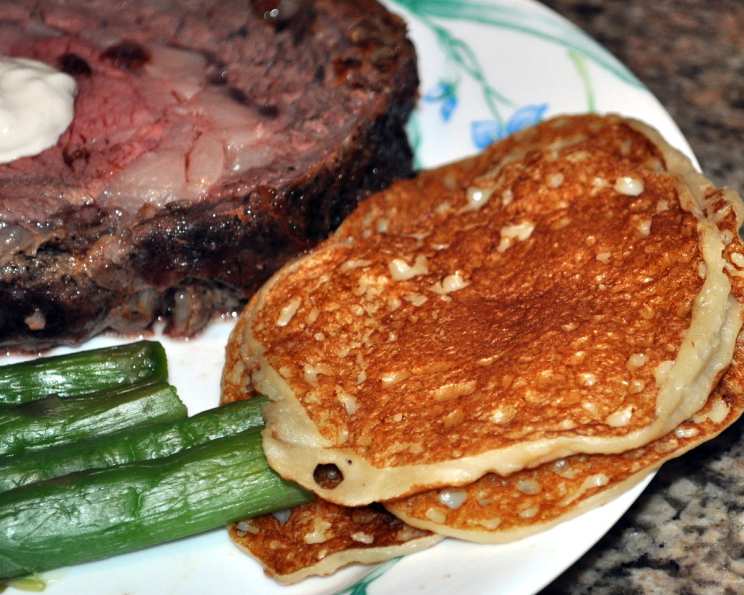
Potato Griddle Cakes: A Taste of Nostalgia
The scent of pan-fried potatoes always takes me back to my grandmother’s kitchen. I can almost see her standing at the stove, a floral apron tied around her waist, carefully flipping these simple yet utterly comforting potato griddle cakes. They weren’t fancy, but the crispy edges and soft, savory interior made them feel like pure love on a plate. Topped with a dollop of sour cream and a sprinkle of fresh dill, they were a weekday staple that I now cherish as a taste of home.
Recipe Overview
- Prep Time: 2 hours 10 minutes
- Cook Time: Approximately 15-20 minutes, depending on batch size
- Total Time: 2 hours 25-30 minutes
- Servings: 6
- Yield: Approximately 12-15 griddle cakes, depending on size
- Dietary Type: Vegetarian (can be made gluten-free with appropriate flour substitution)
Ingredients
- 1 1/2 lbs potatoes (russets work well here)
- 1 egg
- 1 1/4 cups flour (all-purpose; for a gluten-free version, use a gluten-free all-purpose blend)
- 2 cups milk (dairy or non-dairy; whole milk yields a richer flavor)
- 1 teaspoon sugar
- 1 teaspoon salt
- 1 dash white pepper
- Butter or oil (for frying; clarified butter or vegetable oil works well)
Equipment Needed
- Large mixing bowl
- Whisk
- Grater (box grater or food processor with grating attachment)
- Skillet or griddle
- Spatula
- Warmed serving platter
Instructions
- In a large bowl, beat the egg with a small amount of the milk (about 1/4 cup). This will help to create a smooth slurry.
- Gradually add the flour, sugar, and remaining milk, a little at a time, while continuously beating with a whisk. This step is crucial to prevent lumps from forming. Ensure the batter is smooth and free of any large flour clumps.
- Allow the batter to stand for 2 hours at room temperature. This resting period is essential as it allows the flour to fully hydrate, resulting in a more tender and less chewy final product. The starch granules in the flour absorb the liquid, which helps to bind the ingredients together better and prevents the griddle cakes from becoming tough.
- While the batter is resting, peel and grate the potatoes. Russet potatoes, with their high starch content, work exceptionally well for this recipe, giving the griddle cakes a desirable texture. You can use a box grater or a food processor fitted with a grating attachment for this task.
- After the batter has rested for 2 hours, add the grated potatoes to the batter and mix thoroughly. Make sure the potatoes are evenly distributed throughout the batter to ensure consistent flavor and texture in each griddle cake.
- Season the mixture with salt and pepper. Adjust the seasoning to your preference, keeping in mind that the flavor will mellow slightly during cooking.
- Heat a skillet or griddle over medium-high heat. The temperature is important. If the pan isn’t hot enough, the griddle cakes will absorb too much fat and become greasy. If it’s too hot, they will burn on the outside before the inside is cooked through.
- Melt a little butter or oil in the pan, just enough to coat the surface. Be careful not to use too much fat, as this will make the griddle cakes greasy. Clarified butter is an excellent option as it has a higher smoke point and won’t burn as easily.
- Pour a thin layer of batter onto the hot skillet. The amount of batter will depend on the size of your skillet and your desired griddle cake size. Aim for a thin, even layer, about 1/4 inch thick. This will ensure that the griddle cakes cook evenly and become nicely browned and crispy.
- Cook on each side until golden brown, flipping carefully with a spatula. The cooking time will vary depending on the heat of your skillet and the thickness of your batter, but it typically takes about 3-4 minutes per side. Look for a golden-brown color and a slightly firm texture before flipping.
- Place the cooked griddle cakes on a warmed serving platter. This will help to keep them warm while you cook the remaining batter. You can keep the platter warm in a low oven (about 200°F or 95°C).
- Continue cooking the remaining batter in batches, adding more butter or oil to the pan as needed.
- Serve immediately with your favorite toppings. Traditionally, these are served with bacon and lingonberries, but sour cream, applesauce, or a fried egg also makes a delicious accompaniment.
Expert Tips & Tricks
- For extra crispy edges, use a slightly higher heat setting and don’t overcrowd the pan.
- If the batter seems too thick after resting, add a splash of milk to thin it out. Conversely, if it’s too thin, add a tablespoon of flour at a time until the desired consistency is reached.
- Don’t stir the batter too vigorously after adding the potatoes, as this can develop the gluten in the flour and make the griddle cakes tough.
- To prevent the griddle cakes from sticking, make sure the pan is properly preheated and well-greased before adding the batter.
- To keep the cooked griddle cakes warm while you finish cooking the rest of the batter, place them in a single layer on a baking sheet in a preheated oven at 200°F (95°C).
Serving & Storage Suggestions
Serve these potato griddle cakes immediately while they are warm and crispy. They are traditionally served with crispy bacon and lingonberry preserves, but they also pair well with sour cream, applesauce, a fried egg, or even a sprinkle of fresh herbs.
Leftover griddle cakes can be stored in an airtight container in the refrigerator for up to 3 days. To reheat, warm them in a skillet over medium heat, in a toaster oven, or in a microwave. Reheating in a skillet will help to restore some of their crispness.
These griddle cakes are best enjoyed fresh, but they can be frozen for longer storage. To freeze, place the cooked and cooled griddle cakes in a single layer on a baking sheet and freeze for about 2 hours, or until solid. Then, transfer them to a freezer bag or airtight container and store in the freezer for up to 2 months. To reheat, thaw them in the refrigerator overnight and then warm them in a skillet or oven.
Nutritional Information
| Nutrient | Amount per Serving | % Daily Value |
|---|---|---|
| Calories | 248.9 kcal | N/A |
| Calories from Fat | 37 g | 15% |
| Total Fat | 4.1 g | 6% |
| Saturated Fat | 2.2 g | 10% |
| Cholesterol | 42.4 mg | 14% |
| Sodium | 446.6 mg | 18% |
| Total Carbohydrate | 44.3 g | 14% |
| Dietary Fiber | 3.2 g | 12% |
| Sugars | 1.7 g | 6% |
| Protein | 8.7 g | 17% |
Note: Nutritional information is an estimate and may vary based on specific ingredients and portion sizes.
Variations & Substitutions
- Gluten-Free: Substitute the all-purpose flour with a gluten-free all-purpose flour blend.
- Dairy-Free: Use a plant-based milk alternative, such as almond milk, soy milk, or oat milk. You can also use a dairy-free butter substitute for frying.
- Vegan: Substitute the egg with a flax egg (1 tablespoon ground flaxseed mixed with 3 tablespoons water, let sit for 5 minutes to thicken). Also, use plant-based milk and butter substitutes.
- Spicy: Add a pinch of cayenne pepper or a dash of hot sauce to the batter for a spicy kick.
- Herbaceous: Mix in finely chopped fresh herbs, such as chives, parsley, or dill, for added flavor.
- Sweet Potato: Substitute half of the potatoes with sweet potatoes for a slightly sweeter and more vibrant flavor.
FAQs (Frequently Asked Questions)
Q: Why does the batter need to rest for 2 hours?
A: The resting period allows the flour to fully hydrate, resulting in a more tender griddle cake. It also allows the gluten to relax, preventing the griddle cakes from becoming tough.
Q: Can I use a different type of potato?
A: Russet potatoes are recommended due to their high starch content, which gives the griddle cakes a desirable texture. However, you can experiment with other types of potatoes, such as Yukon Gold or red potatoes, but the texture may vary.
Q: How do I prevent the griddle cakes from sticking to the pan?
A: Make sure the pan is properly preheated and well-greased before adding the batter. Use a non-stick skillet or griddle, or consider using clarified butter or a high-quality vegetable oil for frying.
Q: Can I make the batter ahead of time?
A: Yes, you can make the batter ahead of time and store it in the refrigerator for up to 24 hours. However, it’s best to add the grated potatoes just before cooking to prevent them from discoloring.
Q: What is the best way to reheat leftover griddle cakes?
A: The best way to reheat leftover griddle cakes is in a skillet over medium heat or in a toaster oven. This will help to restore some of their crispness. You can also reheat them in a microwave, but they may become slightly soggy.
Final Thoughts
Potato griddle cakes are more than just a simple dish; they are a heartwarming reminder of simpler times and the joy of home-cooked meals. I encourage you to try this recipe and experience the comfort and satisfaction of creating these delicious griddle cakes for yourself and your loved ones. Feel free to experiment with different variations and toppings to create your own unique twist. Enjoy the process, savor the flavors, and share your feedback – I’d love to hear how they turn out! Perhaps you’ll even find yourself making them a regular part of your own family traditions, served alongside a crisp green salad or a hearty bowl of soup for a complete and satisfying meal.