
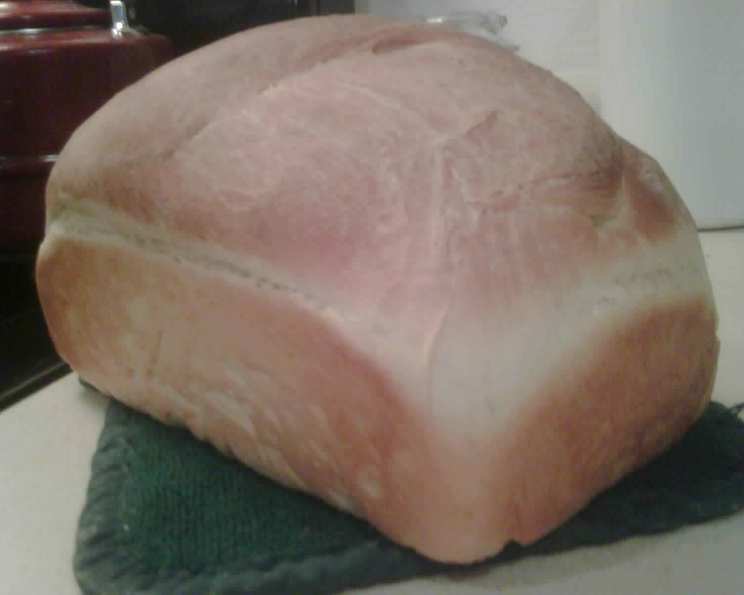
Potato Water Bread (Bread Machine): A Taste of Yesterday
The scent of baking bread has always been synonymous with home. As a child, I remember my grandmother’s kitchen, perpetually warm and fragrant, with a loaf of potato water bread cooling on the counter. Its crust, a shade darker than your average loaf, held a subtle sweetness that danced on my tongue. Every slice was a comforting hug, a tangible representation of her love and nurturing spirit. While she’s no longer with us, this recipe allows me to relive those treasured moments and share a piece of her legacy with the world.
Recipe Overview
- Prep Time: 15 minutes
- Cook Time: 2 hours
- Total Time: 2 hours 15 minutes
- Servings: 4-6
- Yield: 1 large loaf
- Dietary Type: Vegetarian
Ingredients
- 1 cup potato water, plus 2 tablespoons potato water
- 1/3 cup milk
- 2 tablespoons butter
- 4 cups flour
- 2 tablespoons sugar
- 1 teaspoon salt
- 1 1/2 teaspoons bread machine yeast
Equipment Needed
- Bread Machine
Instructions
- Begin by gathering all your ingredients. Make sure your potato water is at room temperature or slightly warm for optimal yeast activity.
- Place all the ingredients into the bread machine pan in the order recommended by the manufacturer. The order is important for proper mixing and rising. Generally, liquids go in first, followed by dry ingredients, with yeast on top, away from the salt.
- Select the basic bread setting on your bread machine.
- Choose a light crust setting, as the bread tends to brown darker than usual due to the sugars in the potato water.
- Start the bread machine. The machine will mix, knead, proof (rise), and bake the bread automatically.
- The baking time depends on your bread machine settings. However, expect the total cycle to be around 2 hours.
- Once the baking cycle is complete, immediately remove the bread from the bread machine pan. If it sticks slightly, gently shake the pan to dislodge it. Be careful, as the pan and bread will be very hot.
- Place the loaf on a wire rack to cool completely before slicing. This prevents the bread from becoming soggy.
Expert Tips & Tricks
- Potato Water Magic: Don’t discard the water after boiling potatoes! This starchy liquid is the secret ingredient to this bread. It adds moisture, a subtle sweetness, and contributes to a softer crumb.
- Yeast Considerations: This recipe calls for less yeast than other bread recipes because the starch in the potato water aids the rising action. Too much yeast can cause the bread to rise too quickly and then collapse.
- Flour Power: While all-purpose flour works fine, bread flour, with its higher gluten content, will result in a chewier and more structured loaf.
- Butter Matters: Using softened butter will ensure that it incorporates smoothly into the dough. You can substitute with a neutral-tasting oil for a dairy-free option.
- Doneness Test: If your bread machine doesn’t have a light crust setting, keep a close eye on the crust color during the last 20 minutes of baking. If it’s getting too dark, cover the top of the loaf loosely with foil.
- Troubleshooting: If your bread doesn’t rise properly, ensure your yeast is fresh and your potato water is not too hot, as this can kill the yeast. If the bread is too dense, try adding a tablespoon of vital wheat gluten to the flour.
- Flavor Boost: For added flavor, experiment with adding a teaspoon of dried herbs, such as rosemary or thyme, to the dough.
Serving & Storage Suggestions
This potato water bread is fantastic served warm with a smear of butter or your favorite jam. It makes excellent toast, sandwiches, and croutons. It’s also a wonderful accompaniment to soups and stews.
- Room Temperature: Store the cooled loaf in a bread box or airtight container at room temperature for up to 3 days.
- Refrigerator: For longer storage, wrap the loaf tightly in plastic wrap and store it in the refrigerator for up to a week.
- Freezer: The bread freezes well. Slice the loaf before freezing for easy portioning. Wrap the slices tightly in plastic wrap and then place them in a freezer-safe bag. It can be frozen for up to 2 months.
- Reheating: To reheat, thaw frozen slices at room temperature or in the microwave. You can also toast them for a crispier texture. To reheat an entire loaf, wrap it in foil and bake at 350°F (175°C) for 10-15 minutes.
Nutritional Information
Please note that these values are estimates and can vary based on specific ingredient brands and portion sizes.
| Nutrient | Amount per Serving | % Daily Value |
|---|---|---|
| Calories | 320 kcal | 16% |
| Total Fat | 5g | 8% |
| Saturated Fat | 3g | 15% |
| Cholesterol | 10mg | 3% |
| Sodium | 400mg | 17% |
| Total Carbohydrate | 60g | 20% |
| Dietary Fiber | 2g | 8% |
| Sugars | 4g | — |
| Protein | 8g | 16% |
Variations & Substitutions
- Dairy-Free: Substitute the milk with your favorite plant-based milk, such as almond milk, soy milk, or oat milk. Replace the butter with a dairy-free butter alternative or a neutral-tasting oil like canola or sunflower oil.
- Whole Wheat: Replace up to half of the all-purpose flour with whole wheat flour for a nuttier flavor and increased fiber content.
- Sweet Bread: Increase the sugar to 1/4 cup and add 1/2 teaspoon of cinnamon for a sweeter bread perfect for breakfast or dessert.
- Savory Bread: Add 1/4 cup of grated Parmesan cheese and 1 teaspoon of dried Italian herbs to the dough for a savory loaf.
- Garlic Bread: Add 2 cloves of minced garlic to the dough for a flavorful garlic bread.
- Herb Bread: Add 2 tablespoons of your favorite fresh herbs like rosemary, thyme, or parsley to the dough for an aromatic herb bread.
FAQs (Frequently Asked Questions)
Q: Can I use instant potato flakes instead of potato water?
A: While you can, the flavor and texture will be different. Potato water provides a more subtle sweetness and a unique starch that contributes to the bread’s overall quality.
Q: What if my bread machine doesn’t have a light crust setting?
A: Keep a close eye on the bread during the last 20 minutes of baking. If the crust is browning too quickly, cover the top of the loaf loosely with foil.
Q: Can I make this bread by hand instead of using a bread machine?
A: Yes, but it will require more effort. You’ll need to knead the dough for about 10 minutes until it’s smooth and elastic, then let it rise in a warm place for 1-2 hours before baking in a preheated oven at 375°F (190°C) for 30-35 minutes.
Q: Why is my bread dense and heavy?
A: This could be due to several factors: using old yeast, not measuring ingredients accurately, or not allowing the dough to rise sufficiently.
Q: How do I know when the bread is done?
A: The bread is done when it sounds hollow when tapped on the bottom and the internal temperature reaches 200-210°F (93-99°C).
Final Thoughts
This potato water bread is more than just a recipe; it’s a connection to the past, a celebration of simple ingredients, and a testament to the power of home baking. I encourage you to try this recipe and experience the unique flavor and texture of this delightful bread. Feel free to experiment with variations and find your perfect loaf. And, if you happen to capture any family memories or feelings while making this recipe, let us know! Happy baking, and may your kitchen be filled with the comforting aroma of freshly baked bread!