
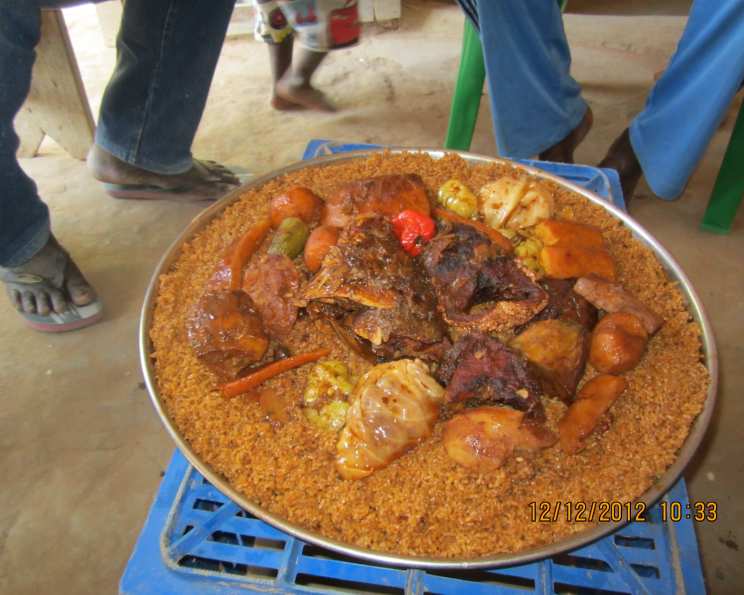
Poulet Yassa: A Taste of Senegal
The first time I tasted Poulet Yassa, I was in a small, bustling kitchen in Brooklyn, a world away from the sun-drenched coasts of Senegal. The aroma, a vibrant mix of citrus, onions, and a hint of chili, filled the air, instantly transporting me. I watched as a seasoned Senegalese cook, her hands moving with practiced ease, assembled the dish, explaining how her grandmother had taught her. The tangy, savory chicken, served over fluffy couscous, was an explosion of flavor, a culinary memory that has stayed with me ever since.
Recipe Overview
- Prep Time: 4 hours 45 minutes (includes marinating)
- Cook Time: 30-45 minutes
- Total Time: 5 hours 15 minutes – 5 hours 30 minutes
- Servings: 4-6
- Yield: Approximately 6 servings
- Dietary Type: Gluten-Free (naturally), Dairy-Free
Ingredients
- 1/2 cup peanut oil (or any cooking oil)
- 1 chicken, cut into serving-sized pieces
- 4-6 onions, cut up
- 8 tablespoons lemon juice
- 8 tablespoons vinegar (cider vinegar is good)
- 1 bay leaf
- 4 cloves minced garlic
- 2 tablespoons Dijon mustard (optional)
- 1 tablespoon Maggi seasoning sauce (or Maggi cubes and water or soy sauce) (optional)
- 1 chili pepper, cleaned and finely chopped (optional)
- Cayenne pepper or red pepper (to taste)
- Black pepper (to taste)
- Salt (to taste)
- 1 small cabbage, cut into chunks (optional)
- 2 carrots, cut into chunks (optional)
Equipment Needed
- Glass dish for marinating
- Grill or oven (optional, for browning chicken)
- Large frypan (for browning chicken – optional)
- Large saucepan
Instructions
-
In a large glass dish, combine all ingredients except the optional vegetables. The more onions you use, the richer the flavor will be. Ensure the chicken pieces are well-coated with the marinade.
-
Cover the dish and allow the chicken to marinate in the refrigerator for at least 4 hours, or preferably overnight. This step is crucial for tenderizing the chicken and infusing it with flavor.
-
Remove the chicken from the marinade, reserving the marinade for later use.
-
Now, you have two options for cooking the chicken before simmering in the sauce:
- Cooking Method 1: Grilling or Baking: Preheat your grill to medium-high heat, or your oven to a hot temperature (around 400°F or 200°C). Grill or bake the chicken until lightly browned on the outside but not fully cooked through. This usually takes about 10-15 minutes, depending on the size of the pieces.
- Cooking Method 2: Sautéing: Heat a generous amount of oil in a large frypan over medium-high heat. Sauté the chicken pieces for a few minutes on each side, until they are lightly browned but not cooked through. This should take about 8-10 minutes.
-
While the chicken is browning, remove the onions from the reserved marinade.
-
In a large saucepan, sauté the onions over medium heat for several minutes, until they are softened and translucent.
-
Add the remaining marinade (including the lemon juice, vinegar, garlic, mustard, Maggi seasoning, and spices) to the saucepan.
-
If using, add the optional cabbage and carrot chunks to the sauce.
-
Bring the mixture to a slow boil, then reduce the heat to low. Simmer the marinade for about 10-15 minutes, allowing it to thicken into a sauce.
-
Gently add the partially cooked chicken pieces to the sauce in the saucepan.
-
Cover the saucepan tightly and simmer over low heat until the chicken is fully cooked through and tender. This will typically take another 20-30 minutes, depending on the size of the chicken pieces. You can check for doneness by inserting a meat thermometer into the thickest part of a piece; it should register 165°F (74°C).
-
Once the chicken is cooked through, taste the sauce and adjust the seasoning as needed. Add more salt, pepper, or chili pepper to taste.
-
Serve hot.
Expert Tips & Tricks
- Marinating is Key: Don’t skimp on the marinating time! The longer the chicken marinates, the more flavorful and tender it will become. Overnight is ideal, but even a few hours will make a difference.
- Onion Quantity: Don’t be afraid to use a lot of onions. They form the base of the flavorful sauce and add a wonderful sweetness to the dish.
- Browning for Flavor: Browning the chicken before simmering adds a depth of flavor to the finished dish. Whether you choose to grill, bake, or sauté, don’t skip this step.
- Adjusting the Sauce: The sauce should be tangy and slightly spicy. Adjust the amount of lemon juice, vinegar, and chili pepper to your liking.
- If your sauce is too thin: Simmer it uncovered for a longer period to allow it to reduce and thicken. You can also add a small amount of cornstarch slurry (cornstarch mixed with cold water) to thicken it quickly. Be careful not to add too much, as it can make the sauce gummy.
- If your sauce is too thick: Add a little water or chicken broth to thin it out to your desired consistency.
- Maggi seasoning sauce substitute: If you can’t find Maggi seasoning sauce, you can substitute it with soy sauce or bouillon cubes dissolved in a small amount of water.
- For a richer flavor: Use chicken thighs instead of chicken breasts, as they tend to be more flavorful and stay more moist during cooking.
Serving & Storage Suggestions
Poulet Yassa is traditionally served hot over a bed of rice, couscous (especially couscous with chickpeas and raisins), or fufu. The flavorful sauce should be spooned generously over the grains. A side of steamed vegetables or a fresh salad can also be a nice complement.
Leftovers can be stored in an airtight container in the refrigerator for up to 3-4 days. To reheat, gently warm the chicken and sauce in a saucepan over medium heat, or in the microwave. You may need to add a little water or chicken broth to prevent the chicken from drying out.
Poulet Yassa can also be frozen for longer storage. Allow the dish to cool completely before transferring it to a freezer-safe container. It can be stored in the freezer for up to 2-3 months. To reheat, thaw the dish in the refrigerator overnight, then warm it gently in a saucepan or microwave.
Nutritional Information
(Estimated, per serving, without rice or couscous)
| Nutrient | Amount per Serving | % Daily Value* |
|---|---|---|
| Calories | 450 kcal | 23% |
| Total Fat | 30g | 46% |
| Saturated Fat | 7g | 35% |
| Cholesterol | 100mg | 33% |
| Sodium | 500mg | 21% |
| Total Carbohydrate | 15g | 5% |
| Dietary Fiber | 3g | 12% |
| Sugars | 8g | |
| Protein | 30g | 60% |
| *Percent Daily Values are based on a 2,000 calorie diet. |
Variations & Substitutions
- Fish Yassa: For a different take, substitute the chicken with firm white fish fillets, such as cod or tilapia. Reduce the cooking time accordingly.
- Spicy Yassa: Increase the amount of chili pepper or cayenne pepper for a spicier dish. You can also add a scotch bonnet pepper for extra heat.
- Coconut Milk Yassa: Add a can of coconut milk to the sauce for a creamier and richer flavor. Reduce the amount of vinegar slightly to balance the sweetness.
- Vegetarian Yassa: Substitute the chicken with firm tofu or tempeh. Be sure to press the tofu to remove excess water before marinating and cooking. You can also add other vegetables, such as bell peppers, zucchini, or eggplant.
- Herby Yassa: Add chopped fresh herbs such as parsley, thyme or cilantro towards the end of cooking for a brighter flavor.
FAQs (Frequently Asked Questions)
Q: Can I make this recipe ahead of time?
A: Absolutely! Poulet Yassa is a great make-ahead dish. In fact, the flavors often improve after a day or two in the refrigerator. Just be sure to store it properly in an airtight container.
Q: What kind of vinegar should I use?
A: Cider vinegar is traditionally used, but you can also use white wine vinegar or even rice vinegar. The key is to choose a vinegar with a mild, slightly sweet flavor.
Q: Can I use frozen chicken?
A: Yes, but be sure to thaw the chicken completely before marinating. This will allow the marinade to penetrate the meat more effectively.
Q: I don’t have Maggi seasoning sauce. What can I use instead?
A: Soy sauce or chicken bouillon cubes dissolved in a little water are good substitutes. Soy sauce will add a similar umami flavor, while bouillon will add richness.
Q: How can I prevent the chicken from drying out?
A: Make sure to simmer the chicken over low heat, and keep the saucepan tightly covered. You can also add a little water or chicken broth to the sauce if it starts to dry out.
Final Thoughts
Poulet Yassa is more than just a recipe; it’s a taste of Senegal, a celebration of flavor, and a culinary journey. I encourage you to try this recipe and experience the magic of African cuisine. Feel free to adjust the spices and ingredients to your liking, and don’t be afraid to experiment. Share your creations with friends and family, and let them experience the deliciousness of Poulet Yassa. Perhaps serve it with a crisp, dry white wine or a refreshing ginger beer. Enjoy!