
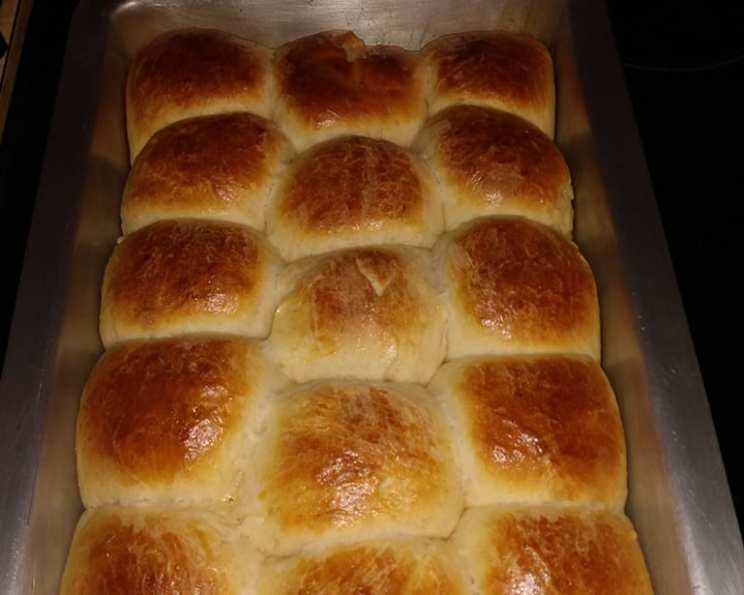
The Unexpected Comfort of Powdered Milk Dinner Rolls
I can almost feel the warmth radiating from the oven as I recall my childhood kitchen. My mom, a master of resourcefulness, always seemed to conjure up the most incredible meals, even when ingredients were scarce. These powdered milk dinner rolls were a staple; their comforting aroma would fill the house, a beacon of love and simplicity. More than just bread, they represented her ingenuity and the unwavering comfort she provided. This recipe, passed down like a cherished heirloom, continues to evoke those feelings of home and hearth.
Recipe Overview
- Prep Time: 20 minutes
- Cook Time: 20 minutes
- Total Time: 3 hours 20 minutes (includes rising time)
- Servings: 20
- Yields: 20 rolls
- Dietary Type: Vegetarian (can be made vegan with substitutions, see variations below)
Ingredients
- 1 cup powdered milk
- 1 1/2 cups lukewarm water (about 105-115°F)
- 1 (1/4 ounce) package instant yeast (or 2 1/4 teaspoons)
- 1/2 cup sugar
- 1/4 cup melted butter (or melted vegan butter substitute)
- 1 teaspoon salt
- 1 beaten egg (or flax egg for vegan option: 1 tablespoon ground flaxseed mixed with 3 tablespoons water)
- 4 1/2 cups flour (all-purpose or bread flour)
Equipment Needed
- Large mixing bowl
- Measuring cups and spoons
- Whisk or fork
- Clean kitchen towel or plastic wrap
- Lightly floured surface
- 9 x 13 inch baking pan (greased)
Instructions
- Activate the Yeast: In a large bowl, dissolve the powdered milk and sugar in the lukewarm water. The water temperature is crucial; too hot, and you’ll kill the yeast; too cold, and it won’t activate. Sprinkle the instant yeast over the milky water mixture. Let it stand for 5-10 minutes, or until a creamy foam forms on the surface. This “proofing” step ensures your yeast is alive and active, vital for a good rise.
- Combine Wet Ingredients: Once the yeast is foamy, stir in the beaten egg, melted butter, and salt. Make sure your melted butter isn’t too hot, as it can also harm the yeast. The mixture should be evenly combined.
- Add the Flour: Gradually add the flour, about 1 cup at a time, mixing well after each addition. Start with 4 cups and then slowly add the remaining 1/2 cup, or enough to form a soft, slightly sticky dough. The amount of flour needed may vary depending on humidity and the type of flour used.
- Knead the Dough: Turn the dough out onto a lightly floured surface. Knead for 5-7 minutes, or until the dough is smooth and elastic. If the dough is too sticky, add a little more flour, 1 tablespoon at a time, until it’s manageable. Kneading develops the gluten in the flour, giving the rolls their structure and chewiness.
- First Rise: Place the kneaded dough in a well-oiled bowl, turning to coat all sides. This prevents the dough from drying out. Cover the bowl with plastic wrap or a clean kitchen towel. Let it rise in a warm place until doubled in bulk, about 1 hour. The ideal temperature for rising is around 75-80°F (24-27°C).
- Punch Down & Second Rise: Once the dough has doubled, gently punch it down to release the air. This step helps to redistribute the yeast and ensures an even texture. Let it rise again, covered, until doubled in bulk, about another hour. This second rise develops even more flavor and lightness in the rolls.
- Shape the Rolls: Preheat the oven to 400°F (200°C). Grease a 9 x 13 inch baking pan. Divide the dough into 20 equal portions. Shape each portion into a smooth ball by gently tucking the edges underneath. Place the rolls in the prepared pan, spacing them evenly.
- Final Rise: Cover the pan of shaped rolls with plastic wrap or a clean kitchen towel. Let them rise until doubled in size, about 30-45 minutes. This final rise is crucial for creating light and airy rolls.
- Bake: Bake in the preheated oven for 20 minutes, or until the rolls are golden brown on top. To prevent the tops from browning too quickly, you can tent the pan with aluminum foil during the last 5-10 minutes of baking.
- Cool and Serve: Remove the rolls from the oven and let them cool in the pan for a few minutes before transferring them to a wire rack to cool completely. Serve warm with butter, jam, or your favorite spread.
Expert Tips & Tricks
- Yeast Quality: Always check the expiration date on your yeast. Old yeast might not activate properly, resulting in flat rolls.
- Warm Environment: To create a warm environment for the dough to rise, place the bowl in a slightly warmed (but turned off!) oven or on top of the refrigerator.
- Softening Butter: If you forget to soften the butter ahead of time, you can microwave it in 10-second intervals until melted, but be careful not to overheat it.
- Even Baking: For more even baking, rotate the baking pan halfway through the baking time.
- Shiny Crust: For a shiny crust, brush the tops of the rolls with melted butter or a beaten egg before baking.
- Dough Too Sticky: If the dough is too sticky, lightly flour your hands and the work surface while kneading. Avoid adding too much flour, as this can make the rolls dry.
- Dough Too Dry: If the dough seems too dry, add a tablespoon of water at a time until it reaches the right consistency.
Serving & Storage Suggestions
These powdered milk dinner rolls are best served warm, straight from the oven. They are delicious with butter, jam, honey, or alongside soups, stews, or salads.
- Room Temperature: Store cooled rolls in an airtight container at room temperature for up to 2 days.
- Refrigerator: Store in an airtight container in the refrigerator for up to 5 days. Reheat gently in a low oven or microwave.
- Freezer: For longer storage, freeze the cooled rolls in a freezer-safe bag or container for up to 2 months. Thaw overnight in the refrigerator or at room temperature. Reheat in a low oven (300°F/150°C) for 10-15 minutes, or until warmed through.
- Reheating: To reheat, wrap the rolls loosely in foil and warm them in a 350°F (175°C) oven for about 10 minutes. Alternatively, microwave for a few seconds until heated through, but be careful not to overcook, as they can become tough.
Nutritional Information
(Note: Nutritional information is an estimate and may vary based on specific ingredients and portion sizes.)
| Nutrient | Amount per Serving | % Daily Value |
|---|---|---|
| Calories | 181 kcal | N/A |
| Total Fat | 4.6 g | 7% |
| Saturated Fat | 2.7 g | 13% |
| Cholesterol | 21.6 mg | 7% |
| Sodium | 165.5 mg | 6% |
| Total Carbohydrate | 29.4 g | 9% |
| Dietary Fiber | 1.1 g | 4% |
| Sugars | 7.5 g | N/A |
| Protein | 5.4 g | 10% |
Variations & Substitutions
- Vegan Rolls: Substitute the melted butter with melted vegan butter. Replace the egg with a flax egg (1 tablespoon ground flaxseed mixed with 3 tablespoons water, let sit for 5 minutes to thicken). Ensure all other ingredients are vegan-friendly.
- Whole Wheat Rolls: Substitute half of the all-purpose flour with whole wheat flour for a nuttier flavor and added fiber. You may need to add a little more water to compensate for the whole wheat flour’s higher absorption.
- Garlic Herb Rolls: Add 1-2 teaspoons of garlic powder and 1-2 tablespoons of chopped fresh herbs (such as rosemary, thyme, or parsley) to the dough during the kneading process.
- Sweet Rolls (Cinnamon Rolls): After the first rise, roll the dough out into a large rectangle. Spread with softened butter, sprinkle with a mixture of cinnamon and sugar, and roll up tightly. Cut into 1-inch slices and place in a greased baking pan. Let rise again before baking. Frost with cream cheese frosting after baking.
- Cheese Rolls: Add 1 cup of shredded cheese (such as cheddar, mozzarella, or parmesan) to the dough during the kneading process.
- Gluten-Free Rolls: While this recipe is traditionally made with wheat flour, experimenting with a gluten-free all-purpose flour blend may yield satisfying results. Be sure to use a blend that contains xanthan gum or another binding agent.
FAQs (Frequently Asked Questions):
Q: Can I use active dry yeast instead of instant yeast?
A: Yes, you can. However, you’ll need to dissolve the active dry yeast in the lukewarm water with the sugar for 5-10 minutes before adding the powdered milk.
Q: Why are my rolls not rising properly?
A: Several factors can affect the rise. Ensure your yeast is fresh, the water is the correct temperature, and the dough is in a warm place free from drafts.
Q: Can I make the dough ahead of time and bake it later?
A: Yes, you can prepare the dough through the first rise. Punch it down, cover it tightly, and refrigerate it for up to 24 hours. Let it come to room temperature for about 30 minutes before proceeding with the shaping and second rise.
Q: My rolls are browning too quickly. What should I do?
A: Tent the baking pan with aluminum foil during the last 5-10 minutes of baking to prevent excessive browning.
Q: Can I use a stand mixer to make the dough?
A: Absolutely! Use the dough hook attachment and follow the same steps for combining and kneading the ingredients. The mixing time may be slightly shorter.
Final Thoughts
I encourage you to try this recipe for powdered milk dinner rolls, a testament to simple ingredients and heartwarming flavors. Don’t be intimidated by the rising times – they’re worth the wait. Share these rolls with loved ones, and perhaps pair them with a comforting bowl of soup or a pot of homemade chili. Let the aroma fill your home and create memories of your own. Feel free to experiment with the variations and make this recipe your own. And please, let me know how they turn out! Your feedback is invaluable. Happy baking!