
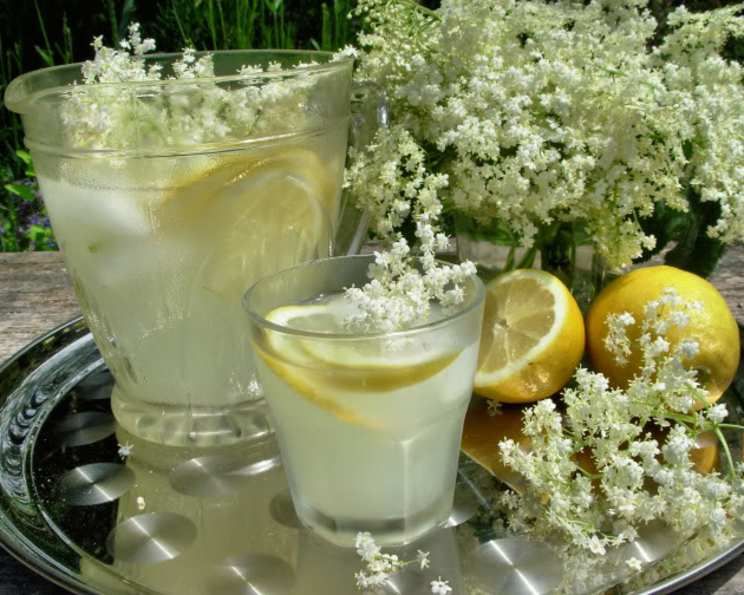
Prelude to Summer – Old Fashioned English Elderflower Cordial
The scent of elderflower always takes me back to my grandmother’s garden. As a child, I would spend countless summer afternoons amongst the buzzing bees, watching her carefully snip the fragrant blooms. She always said the best time to pick them was on a hot, dry day, when their scent was at its peak. The resulting cordial, a pale golden elixir, was summer captured in a bottle – sunshine, sweet floral notes, and the promise of long, lazy days. Each sip was a taste of pure joy.
Recipe Overview
- Prep Time: 20 minutes
- Steep Time: 4 days
- Total Time: 4 days 20 minutes
- Yields: Approximately 1 Litre
- Dietary Type: Vegan
Ingredients
- 15 large elderberry flowers (umbels, heads), shaken to get rid of dust, insects and fertilizer
- 900 g white sugar
- 1 lemon, wiped clean and thinly sliced
- 40 g citric acid
- 500 ml boiling water
Equipment Needed
- Large heatproof bowl or pan with lid
- Spoon for stirring
- Non-metallic fine sieve (or sieve lined with muslin)
- Large pouring jug or bowl
- Clean, sterile bottles with airtight seals
Instructions
-
Begin by carefully selecting your elderflowers. Choose large, creamy-colored heads (umbels) that are free of any discoloration and haven’t been sprayed with fertilizer. Gently shake them to dislodge any lingering dust, insects, or debris. The best time to harvest is early on a dry, hot day.
-
Place the freshly picked elderflowers in your large, heatproof bowl or pan. Add the thinly sliced lemon. Now, evenly distribute the white sugar over the flowers and lemon.
-
Carefully pour the boiling water over the ingredients in the bowl. Add the citric acid. Immediately stir the mixture thoroughly until the sugar completely dissolves. This might take a few minutes, so be patient. Ensure the citric acid is fully incorporated; it acts as a preservative and enhances the flavor.
-
Submerge the lemon slices and most of the elderflower heads under the sugar water to ensure proper infusion. Cover the bowl or pan with a lid to create a sealed environment. Place the covered mixture in a cool, dark place for 4 days.
-
Each day, remove the lid and stir the mixture well. Gently press the lemon slices to release their juice and oils, which will contribute to the overall flavor profile of the cordial. By the end of the first day, you should already start to detect the beautiful, distinctive floral fragrance of the elderflowers.
-
After the initial 4-day steeping period, assess the flavor. If you feel the “floral” flavor isn’t strong enough, you can let the mixture steep for an additional day. Remember that the cordial will be diluted to drink or added to other ingredients, so you want the flavor to be as concentrated as possible. This is a crucial step for achieving a truly vibrant cordial.
-
When you’re satisfied with the flavor, it’s time to bottle the cordial. Strain the mixture through a non-metallic FINE sieve. If your sieve has large holes, line it with muslin to ensure that no small bits of elderflower or lemon make it into the final product. This step is vital for achieving a clear, smooth cordial. Collect the strained liquid in a large pouring jug or bowl.
-
Carefully pour the strained cordial into clean and sterile bottles. Securely seal the bottles. Store the bottled cordial in a cool, dark, dry place. This protects the cordial from light and heat, which can degrade its flavor and quality.
-
Your elderflower cordial is now ready to use and enjoy! When stored properly, this cordial can keep for a very long time. I have personally enjoyed cordial that has been properly stored for 4 years, retaining its fragrant and floral characteristics.
Important Notes:
- Citric acid is a key ingredient and can usually be found in the baking section of most supermarkets or in pharmacies. Brewing and wine-making shops are also excellent sources. If you absolutely cannot source citric acid, you can substitute it with the juice of an extra lemon.
- Sterilizing your bottles is extremely important to prevent spoilage. The best way to sterilize your bottles is to wash them in hot soapy water, rinse well, and then place them in a preheated oven at 220°F (105°C) for 10 minutes. Let them cool completely before filling.
- Be patient and diligent in the stirring process. This is what develops the best flavor.
Expert Tips & Tricks
- For a slightly different flavor profile, try adding a few sprigs of fresh mint or a small piece of ginger to the mixture during the steeping process.
- If you are concerned about the sugar content, you can use a sugar substitute such as erythritol, but be aware that this may slightly alter the taste and texture of the cordial.
- Don’t discard the leftover elderflowers and lemon slices after straining. You can use them to infuse gin or vodka for a unique cocktail ingredient.
- If you find that your cordial is a little cloudy after straining, you can clarify it further by adding a small amount of pectic enzyme (available at brewing supply stores) during the steeping process.
Serving & Storage Suggestions
Elderflower cordial is incredibly versatile. Serve it diluted with still or sparkling water for a refreshing summer drink. Add it to cocktails, use it to flavor sorbets or ice cream, or drizzle it over cakes and desserts.
Once bottled, the cordial should be stored in a cool, dark place. Properly sealed, it can last for several years. Once opened, store in the refrigerator, where it will keep for several weeks. Because of the sugar content, it’s not generally recommended to freeze the cordial, as this can alter its texture and flavor.
Nutritional Information
(Note: This information is an estimate and may vary depending on the specific ingredients used.)
| Nutrient | Amount per Serving (approx. 30ml cordial, diluted) | % Daily Value* |
|---|---|---|
| Calories | 70 kcal | 4% |
| Total Fat | 0g | 0% |
| Saturated Fat | 0g | 0% |
| Cholesterol | 0mg | 0% |
| Sodium | 0mg | 0% |
| Total Carbohydrate | 17g | 6% |
| Dietary Fiber | 0g | 0% |
| Sugars | 17g | – |
| Protein | 0g | 0% |
*Percent Daily Values are based on a 2,000 calorie diet.
Variations & Substitutions
- Elderflower and Rose Cordial: Add a handful of fresh rose petals to the mixture during steeping for a delicate floral twist.
- Spiced Elderflower Cordial: Include a cinnamon stick, a few cloves, and a star anise in the mixture for a warm, comforting variation.
- Lower Sugar Cordial: Reduce the amount of sugar slightly and use a sugar substitute like stevia or erythritol. Taste and adjust accordingly. Keep in mind that reducing sugar may shorten the shelf life.
- Elderflower and Lemon Balm Cordial: Infuse with fresh lemon balm for a citrusy herb note, especially nice for afternoon beverages.
FAQs (Frequently Asked Questions)
Q: Can I use dried elderflowers instead of fresh?
A: Fresh elderflowers are highly recommended for the best flavor. Dried elderflowers will not provide the same intensity of aroma or taste.
Q: Why do I need citric acid?
A: Citric acid acts as a preservative and helps to prevent spoilage. It also enhances the flavor of the cordial. If you cannot find it, lemon juice can be used as a substitute, but the shelf life may be shorter.
Q: My cordial is cloudy. What did I do wrong?
A: Cloudiness can be caused by using a sieve with too large of holes or by not properly sterilizing your bottles. Lining the sieve with muslin and ensuring thorough sterilization can help prevent this.
Q: How long does elderflower cordial last?
A: Properly stored, unopened elderflower cordial can last for several years. Once opened, store it in the refrigerator and use it within a few weeks.
Q: Can I make this recipe with less sugar?
A: You can reduce the amount of sugar, but be aware that this may shorten the shelf life of the cordial, as sugar acts as a preservative. If using a sugar substitute, start with a small amount and adjust to taste.
Final Thoughts
Making elderflower cordial is a truly rewarding experience, connecting you with the seasons and the natural world. The delicate floral aroma and sweet-tart taste are a delightful reminder of summer days. I encourage you to try this recipe and experience the magic of homemade elderflower cordial. Feel free to experiment with variations to create your own unique flavor profile, and please share your feedback! This cordial is the perfect addition to a refreshing spritzer or paired with a light sponge cake for afternoon tea. Enjoy!