
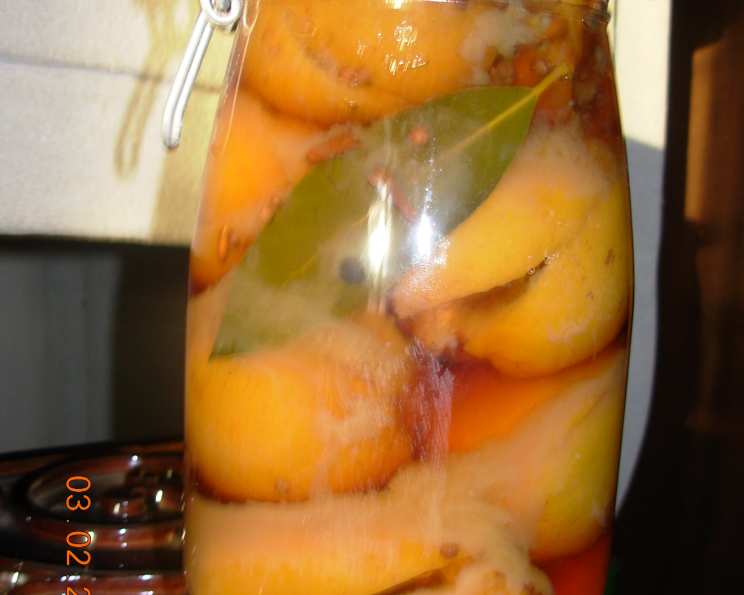
Preserved Fresh Lemons: A Mediterranean Kitchen Staple
The scent of lemons always takes me back to my grandmother’s sun-drenched garden in Sicily. Amongst the olive trees and the bougainvillea, her lemon tree stood, laden with fragrant fruit. She would use those lemons in everything, from lemonade to cakes, but her preserved lemons were legendary. The bright, salty, and intensely lemony flavor they imparted to her stews and tagines was simply magical. Now, decades later, I carry on her tradition, ensuring I always have a jar of these golden gems ready to add a burst of sunshine to my cooking.
Recipe Overview
- Prep Time: 30 minutes
- Cook Time: 720 hours (1 month minimum preserving time)
- Total Time: 720 hours 30 minutes
- Yield: 1 1.5 Litre Jar
- Dietary Type: Vegan, Gluten-Free, Dairy-Free
Ingredients
- 6 unwaxed lemons
- 125 g coarse sea salt
- 2 whole cloves
- 2 bay leaves
- 8 coriander seeds
- 8 black peppercorns
- 6 to 8 lemons, juice of, fresh (approximately 500 ml unsweetened lemon juice) – Note: Use enough juice to cover the lemons.
- 1 1/2 litres Kilner jar (or similar sterilizing jar)
Equipment Needed
- Large bowl
- Large Sterilizing Jar (1.5 Litre Kilner Jar)
- Knife
- Chopping board
- Juicer (optional, if using fresh lemons for the juice)
Instructions
- Begin by soaking the lemons in water for 2 to 3 days. This step is crucial for removing any bitterness from the peel. Be sure to change the water 2-3 times a day, once a day, refreshing them with clean water each time.
- After soaking, pat the lemons dry thoroughly with a clean kitchen towel. Removing as much moisture as possible will help with the preservation process.
- Now, prepare the lemons for salting. Quarter each lemon from the top, cutting almost to the bottom, leaving them connected at the base by about ½ inch. This allows you to open them up slightly.
- Gently open up the lemons slightly, being careful not to tear them completely apart. Generously sprinkle coarse sea salt onto the cut flesh of each quarter, ensuring every surface is well-coated.
- Carefully reshape the lemons so they look whole again, holding the salted lemon together.
- Place half of the remaining salt in the bottom of a large, sterilized jar. I recommend a 1.5-litre Kilner jar or something similar. This layer of salt will act as a base for the preserved lemons.
- Pack the salted lemons tightly into the jar, ensuring they are snugly fitted together. As you pack, add the bay leaves, cloves, coriander seeds, and peppercorns amongst the lemons, distributing them evenly throughout the jar. These spices will infuse the lemons with their aromatic flavors.
- Add the remaining salt to the top of the packed lemons. Then, using a clean spoon or your hand, press down firmly on the lemons. This pressure helps to release the lemons’ natural juices.
- Pour over the fresh lemon juice or unsweetened lemon juice, adding enough to completely cover the lemons. The amount of juice required can vary depending on the size and juiciness of the lemons. In my experience, it usually takes about 500ml of juice (expressed from 6 to 8 lemons), but use your judgement to ensure they are submerged.
- Seal the jar tightly and leave it in a cool, dark place for at least one month, but preferably longer. The longer they sit, the more intense and complex the flavor will become. These preserved lemons can last for up to 6-10 months in ideal conditions, away from direct sunlight and heat.
- When you’re ready to use the preserved lemons, rinse them thoroughly under cold water to remove excess salt.
Expert Tips & Tricks
- Sterilize your jar properly: This is essential to prevent mold growth and ensure proper preservation. Boil the jar and lid in water for 10 minutes, then let them air dry completely before using.
- Use high-quality lemons: Opt for organic, unwaxed lemons for the best flavor and to avoid any unwanted chemicals.
- Don’t skimp on the salt: Salt is the key to the preservation process. Make sure you use enough to cover the lemons thoroughly.
- Be patient: The longer the lemons sit, the better they taste. Resist the urge to open the jar too soon.
- If you find the lemons are floating, use a fermentation weight or a small, sterilized glass to keep them submerged in the juice.
Serving & Storage Suggestions
Before using preserved lemons, always rinse them thoroughly under cold water to remove excess salt. They can be stored in the refrigerator after opening and will last for several weeks. To serve, finely dice the peel and discard the pulp (although the pulp is edible, it can be quite salty and bitter). Add the diced peel to tagines, stews, sauces, or salads for a bright, lemony flavor. They can also be used in marinades or as a garnish. For longer storage, you can freeze diced preserved lemon peel in ice cube trays for easy portioning.
Nutritional Information
Please note that the nutritional information is an estimate and can vary based on specific ingredients and serving sizes.
| Nutrient | Amount per Serving (estimated) | % Daily Value (estimated) |
|---|---|---|
| Calories | 50 kcal | 3% |
| Total Fat | 0.5g | 1% |
| Saturated Fat | 0.1g | 0% |
| Cholesterol | 0mg | 0% |
| Sodium | 8000mg | 333% |
| Total Carbohydrate | 12g | 4% |
| Dietary Fiber | 3g | 12% |
| Sugars | 3g | |
| Protein | 1g | 2% |
Variations & Substitutions
- Spice it up: Add a pinch of red pepper flakes to the jar for a spicy kick.
- Herb Infusion: Include fresh herbs like rosemary or thyme along with the spices for a more complex flavor profile.
- Meyer Lemons: Use Meyer lemons for a sweeter, less acidic flavor.
- Citrus Medley: Mix lemons with other citrus fruits like limes or oranges for a unique twist.
- No Spice Version: If spices are not preferred, make it with just lemons, salt and lemon juice, it will still be preserved and taste excellent.
FAQs (Frequently Asked Questions)
Q: Why do I need to soak the lemons before preserving them?
A: Soaking the lemons helps to remove some of the bitterness from the peel, resulting in a more pleasant flavor in the final product.
Q: Can I use regular table salt instead of coarse sea salt?
A: Coarse sea salt is preferred because it doesn’t contain iodine or anti-caking agents, which can affect the flavor and texture of the preserved lemons.
Q: How do I know if my preserved lemons have gone bad?
A: If you notice any mold growth or an off-putting smell, discard the lemons immediately. Properly preserved lemons should have a bright, lemony aroma and a slightly softened texture.
Q: Do I need to refrigerate the preserved lemons after opening the jar?
A: Yes, refrigerating the preserved lemons after opening will help to prolong their shelf life.
Q: What part of the preserved lemon do I use in recipes?
A: Typically, the peel is used, as it’s the most flavorful part. Discard the pulp (the flesh), or use it sparingly as it can be quite salty.
Final Thoughts
Preserving lemons is a simple yet rewarding process that unlocks a world of culinary possibilities. With their intense citrus flavor and vibrant color, preserved lemons are a versatile ingredient that can elevate countless dishes. Don’t be intimidated—gather your ingredients, follow the steps, and embrace the anticipation as you await the transformation. I encourage you to try this recipe and share your culinary creations with friends and family. These preserved lemons are fantastic alongside roasted chicken with herbs or as a bright addition to a Moroccan tagine. Enjoy!