
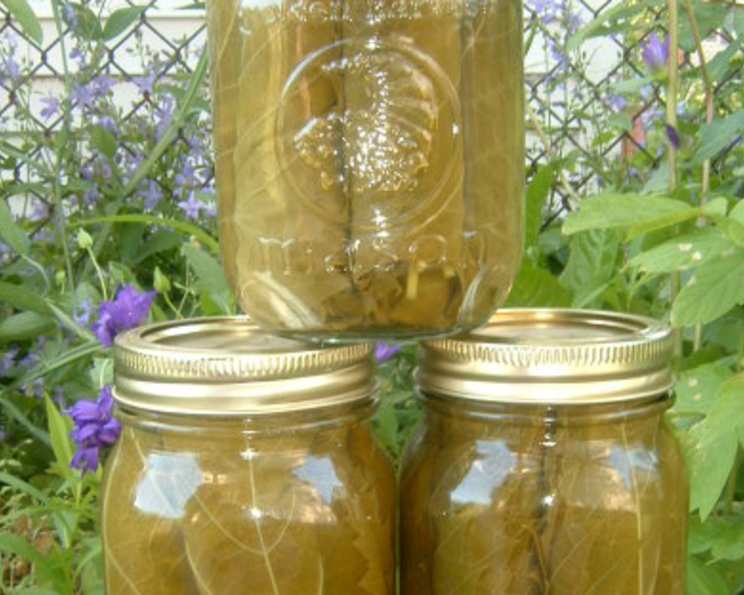
Preserving the Taste of Spring: Grape Leaves
My grandmother, Yia Yia Eleni, had hands that smelled perpetually of earth and lemon. She was the queen of our family’s kitchen, and come springtime, her domain transformed into a grape leaf sanctuary. Every year, she would venture out to the sprawling grapevine draped across the back of our property, carefully selecting the youngest, most tender leaves. The air would fill with the slightly tart, grassy aroma of fresh leaves as she prepared them for preserving – a tradition passed down through generations, ensuring that the taste of spring lingered long into the winter months. It was more than just food preservation; it was preserving a piece of our heritage.
Recipe Overview
- Prep Time: 30 minutes
- Cook Time: 15 minutes
- Total Time: 45 minutes
- Yields: 2 pints
- Dietary Type: Vegan
Ingredients
- 1 quart young spring grape leaves, about, stem end removed
- 2 teaspoons kosher salt, in
- 1 quart water
- 1 cup fresh lemon juice or 2 1/2 teaspoons citric acid
- 1 quart water
Equipment Needed
- Large pot
- Colander
- Two pint canning jars with lids and rings
- Jar lifter
- Boiling water bath canner
Instructions
- Begin by preparing your grape leaves. Carefully wash them under cold water to remove any dirt or debris. Gently pat them dry.
- In a large pot, bring the 1 quart of water and 2 teaspoons of kosher salt to a rolling boil. This salted water will be used to blanch the grape leaves, preserving their vibrant color and tender texture.
- Once the water is boiling, carefully add the washed grape leaves. Blanch them for only 30 seconds. This quick blanching process is crucial; it helps to soften the leaves without overcooking them.
- Immediately drain the blanched grape leaves in a colander. Rinse them briefly with cold water to stop the cooking process.
- Now, it’s time to pack the grape leaves into the canning jars. Stack the drained grape leaves on top of each other into two piles.
- Take each pile and form it into a loose roll. This helps to maximize the number of leaves you can fit into each jar.
- Carefully stand each grape leaf roll upright in the two pint canning jars. Ensure that the leaves are packed somewhat tightly, but not so tightly that they are crushed.
- In a separate pot, combine the 1 cup of fresh lemon juice (or 2 1/2 teaspoons of citric acid) with the remaining 1 quart of water. Bring this mixture to a boil. The lemon juice (or citric acid) acts as a natural preservative, helping to prevent spoilage and ensuring the safety of your preserved grape leaves.
- Carefully fill each jar with the hot lemon juice (or citric acid) mixture, leaving about 1/2 inch of headspace at the top of the jar. Headspace is the space between the top of the liquid and the lid of the jar; this allows for proper sealing during the canning process.
- Wipe the rims of the jars with a clean, damp cloth to ensure a good seal. Place the lids on the jars, and then screw on the rings until they are fingertip tight. Do not overtighten the rings, as this can prevent the jars from sealing properly.
- Process the jars in a boiling water bath canner for 15 minutes. Ensure that the jars are completely submerged in boiling water during the entire processing time. This heat treatment is essential for killing any harmful bacteria and creating a vacuum seal that preserves the grape leaves.
- After 15 minutes, turn off the heat and carefully remove the jars from the canner using a jar lifter. Place the jars on a towel-lined surface to cool completely. As the jars cool, you should hear a “pop” sound, indicating that the lids have sealed properly.
- Once the jars are completely cool, check the seals by pressing down on the center of each lid. If the lid does not flex or move, the jar is properly sealed. If the lid flexes, the jar is not sealed and should be reprocessed with a new lid, refrigerated, or used immediately.
Expert Tips & Tricks
- Choosing the Right Leaves: The best grape leaves for preserving are young and tender, typically harvested in the spring. Look for leaves that are about the size of your hand and free from any blemishes or holes. Avoid older, tougher leaves, as they can become bitter during the preservation process.
- Lemon Juice vs. Citric Acid: While fresh lemon juice adds a lovely flavor to the preserved grape leaves, citric acid offers a more consistent level of acidity. If you’re concerned about the acidity level, using citric acid is a reliable option.
- Preventing Discoloration: To help prevent the grape leaves from discoloring during the blanching process, add a tablespoon of vinegar to the boiling water. This helps to maintain their vibrant green color.
- Proper Headspace: Leaving the correct amount of headspace in the jars is crucial for proper sealing. Too little headspace can prevent the jars from sealing, while too much headspace can cause the food to spoil.
- Jar Placement in Canner: Ensure that the jars do not touch each other or the sides of the canner during processing. This allows for even heat distribution and prevents the jars from breaking.
Serving & Storage Suggestions
Preserved grape leaves are a versatile ingredient that can be used in a variety of dishes, most famously in dolmades, stuffed grape leaves with rice and herbs. To use the preserved grape leaves, simply remove them from the jar and rinse them under cold water to remove any excess saltiness. Gently pat them dry before using them in your recipe.
Store properly sealed jars of preserved grape leaves in a cool, dark place, such as a pantry or cellar, for up to one year. Once a jar has been opened, it should be refrigerated and used within a week. Properly canned and stored grape leaves do not require refrigeration until opened. The high acidity and the canning process prevent spoilage at room temperature.
Nutritional Information
| Nutrient | Amount per Serving | % Daily Value |
|---|---|---|
| Calories | 26.8 kcal | N/A |
| Calories from Fat | 2 g | 10% |
| Total Fat | 0.3 g | 0% |
| Saturated Fat | 0.1 g | 0% |
| Cholesterol | 0 mg | 0% |
| Sodium | 1773.8 mg | 73% |
| Total Carbohydrate | 8.4 g | 2% |
| Dietary Fiber | 0.4 g | 1% |
| Sugars | 3.1 g | 12% |
| Protein | 0.4 g | 0% |
Variations & Substitutions
- Vine Leaf Variety: While this recipe specifies young spring grape leaves, you can experiment with different varieties of grape leaves. Some varieties may have a slightly different flavor or texture, so adjust the blanching time accordingly.
- Herb Infusion: Add fresh herbs, such as dill, mint, or parsley, to the jars before filling them with the lemon juice mixture. This will infuse the grape leaves with a subtle herbal flavor.
- Spicy Kick: For a spicy twist, add a pinch of red pepper flakes to the lemon juice mixture.
- Salt Alternatives: While kosher salt is recommended, sea salt can also be used.
- Storage Solutions: If canning isn’t your preference, grape leaves can be layered between sheets of parchment paper and frozen in freezer bags. They will be more fragile once thawed but still usable.
FAQs (Frequently Asked Questions)
Q: Why do I need to blanch the grape leaves before preserving them?
A: Blanching helps to soften the leaves, making them easier to roll and stuff. It also helps to preserve their color and flavor.
Q: Can I use bottled lemon juice instead of fresh lemon juice?
A: Yes, you can use bottled lemon juice, but fresh lemon juice will provide a brighter, more vibrant flavor. Ensure the bottled lemon juice is 100% lemon juice and doesn’t contain any added preservatives that might interfere with the canning process.
Q: How do I know if the jars have sealed properly?
A: After the jars have cooled completely, press down on the center of each lid. If the lid does not flex or move, the jar is properly sealed.
Q: What if a jar doesn’t seal properly?
A: If a jar doesn’t seal properly, you can reprocess it with a new lid within 24 hours. Alternatively, you can refrigerate the grape leaves and use them within a week.
Q: Can I use grape leaves from my garden, even if I don’t know the variety?
A: Yes, you can use grape leaves from your garden, but make sure they are from a grape vine and are not treated with any pesticides or chemicals. Taste a small piece of the raw leaf; if it’s excessively bitter, it might not be suitable for preserving.
Final Thoughts
Preserving grape leaves is a labor of love, a way to capture the essence of spring and enjoy it throughout the year. It’s a process that connects us to our culinary heritage, reminding us of simpler times when food was carefully prepared and savored. Don’t be intimidated by the canning process; with a little practice, you’ll be able to confidently preserve your own grape leaves and create delicious dishes that will transport you to sun-drenched Mediterranean landscapes with every bite. So, gather your fresh spring leaves, follow this recipe, and share the fruits of your labor with family and friends. Consider serving your homemade dolmades with a crisp, dry white wine for the perfect pairing. Enjoy!