
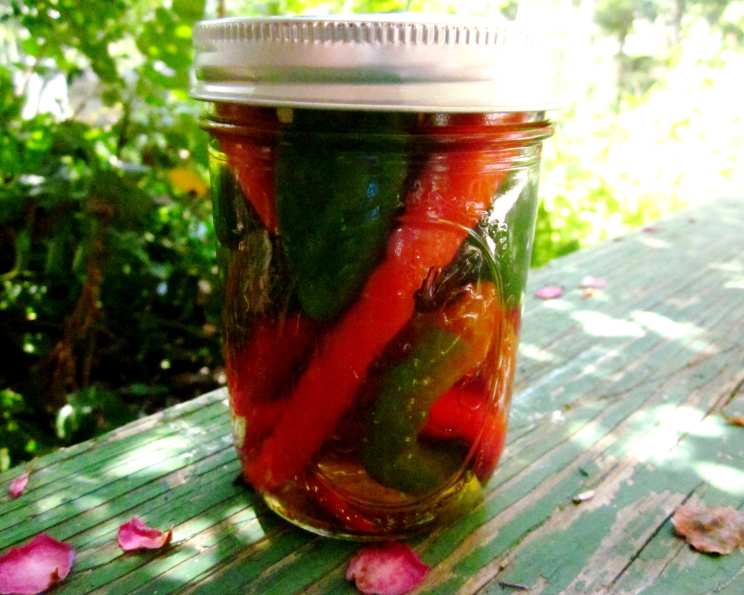
Fiery Ferment: Crafting Your Own Preserved Hot Pepper Sauce
I still remember the first time I tasted a truly exceptional hot sauce. It wasn’t just about the heat; it was the complex, layered flavors that unfolded on my palate. My grandfather, a man who could coax magic from the simplest ingredients, had a secret stash of fermented pepper sauce he guarded jealously. He’d grown the peppers himself, coaxed to vibrant maturity in his sun-drenched garden. He only shared his sauce on special occasions, and even then, sparingly. This recipe for preserved hot pepper sauce aims to recapture some of that magic – the deep, complex flavors that only time and careful preservation can unlock.
Recipe Overview
- Prep Time: 15 minutes
- Cook Time: 5 minutes
- Total Time: 3 weeks, 5 minutes (includes fermentation time)
- Yields: 1 (14 oz.) jar
- Dietary Type: Vegan, Gluten-Free
Ingredients
- 1 (14 ounce) glass jar, sterilized
- 1 cup red and green Thai chili peppers, stemmed (or other peppers of your choice)
- 1 cup cider vinegar
- 1 teaspoon salt
- 1 teaspoon sugar
Equipment Needed
- Small saucepan
- Measuring cups and spoons
- Rubber gloves
- Sterilized jar with lid
Instructions
- Begin by preparing your peppers. Wash the Thai chili peppers (or your chosen variety) thoroughly and remove the stems. Be careful handling hot peppers – wear rubber gloves to prevent skin irritation.
- Pack the prepared peppers into the sterilized glass jar. Aim to fill the jar to about 1 inch from the top. Packing them tightly will help ensure they are fully submerged in the vinegar mixture later.
- In a small saucepan, combine the cider vinegar, salt, and sugar.
- Place the saucepan over medium heat and bring the mixture to a boil, stirring constantly until the salt and sugar are completely dissolved. This usually takes about 2 to 3 minutes.
- Remove the saucepan from the heat and let the vinegar mixture stand for 5 minutes. This allows the mixture to cool slightly before pouring it over the peppers, reducing the risk of cracking the glass jar.
- Carefully pour the hot vinegar mixture over the peppers in the jar, ensuring that they are completely submerged. If necessary, gently press the peppers down with a clean utensil to release any trapped air bubbles.
- Cover the jar tightly with a lid.
- Chill the jar in the refrigerator for 3 weeks. This extended chilling period is crucial for the peppers to infuse the vinegar with their fiery flavor and for the fermentation process to occur, developing the sauce’s characteristic complexity.
- After 3 weeks, the preserved hot pepper sauce is ready to use. Store it in the refrigerator for up to 6 months. Note that the flavor will continue to develop and intensify over time.
Expert Tips & Tricks
- Pepper Selection: Experiment with different types of peppers to create your own unique flavor profile. Jalapeños, serranos, habaneros, or even a mix of varieties can be used. Keep in mind that the heat level of the final sauce will depend on the peppers you choose.
- Sterilization is Key: Proper sterilization of the jar is crucial to prevent spoilage. Wash the jar and lid in hot, soapy water, then boil them for 10 minutes. Alternatively, you can run them through a hot cycle in your dishwasher.
- Submersion Assurance: To ensure the peppers remain submerged during the fermentation process, you can use a small glass weight or a clean rock.
- Spice Level Control: The longer the sauce sits, the spicier it becomes. Taste it periodically and adjust the chilling time according to your preference. If it becomes too spicy, you can dilute it with a little extra vinegar.
- Preventing Botulism: While this recipe is relatively safe due to the high acidity of the vinegar, it’s essential to follow proper sterilization and storage procedures to minimize the risk of botulism. Always use fresh, high-quality ingredients. If you notice any signs of spoilage, such as bulging lids or an off odor, discard the sauce immediately.
Serving & Storage Suggestions
This preserved hot pepper sauce is incredibly versatile. Drizzle it over tacos, eggs, grilled meats, or vegetables for an extra kick. Add a dash to soups, stews, or chili to enhance their flavor. Mix it with mayonnaise or aioli for a spicy dipping sauce.
Store the preserved hot pepper sauce in the refrigerator for up to 6 months. Over time, the sauce will continue to mature and develop in flavor, so don’t be afraid to let it age. There is no need to freeze this product.
Nutritional Information
| Nutrient | Amount per Serving | % Daily Value |
|---|---|---|
| Calories | 82 kcal | 4% |
| Total Fat | 0g | 0% |
| Saturated Fat | 0g | 0% |
| Cholesterol | 0mg | 0% |
| Sodium | 2341mg | 97% |
| Total Carbohydrate | 10g | 4% |
| Dietary Fiber | 1g | 4% |
| Sugars | 7g | – |
| Protein | 1g | 2% |
Note: Nutritional information is an estimate and may vary based on specific ingredients used.
Variations & Substitutions
- Fruity Heat: Add a handful of mango or pineapple pieces to the jar along with the peppers for a sweet and spicy twist.
- Herby Infusion: Include fresh herbs like oregano, thyme, or rosemary for added complexity.
- Smoked Paprika: Add a pinch of smoked paprika to the vinegar mixture for a smoky flavor.
- Garlic Boost: Toss in a few cloves of minced garlic for a pungent kick.
- Vinegar Variety: Substitute white vinegar or rice vinegar for the cider vinegar for different flavor profiles.
- Sweetener Options: Experiment with honey or maple syrup instead of sugar, keeping in mind that this may affect the fermentation process slightly.
FAQs (Frequently Asked Questions)
Q: Can I use dried peppers instead of fresh peppers?
A: While fresh peppers are preferred for the best flavor and texture, you can use dried peppers in a pinch. Rehydrate them in hot water for about 30 minutes before adding them to the jar. Note that the flavor may be more intense.
Q: Do I need to use a specific type of jar?
A: Any clean, sterilized glass jar with a tight-fitting lid will work. Mason jars are a popular choice for preserving. Make sure the jar is free of chips or cracks.
Q: How can I tell if the sauce has gone bad?
A: Look for signs of spoilage, such as bulging lids, an off odor, or mold growth. If you notice any of these signs, discard the sauce immediately.
Q: Can I adjust the amount of salt or sugar?
A: Yes, you can adjust the amount of salt or sugar to your liking. However, keep in mind that salt plays an important role in preserving the peppers, so don’t reduce it too much.
Q: Can I use this sauce right away, or do I have to wait the full 3 weeks?
A: While you can technically use the sauce right away, it will not have the same depth of flavor. The 3-week chilling period allows the peppers to fully infuse the vinegar and develop a more complex and nuanced taste.
Final Thoughts
Crafting your own preserved hot pepper sauce is a rewarding experience that allows you to experiment with different flavors and create a truly unique condiment. Don’t be afraid to get creative with your pepper selection, herb infusions, and spice additions. This recipe is just a starting point – the possibilities are endless! I hope this inspires you to create your own fiery ferment at home. I’d love to hear what combinations you dream up and how you use it in your favorite dishes. Share your experience and modifications!