
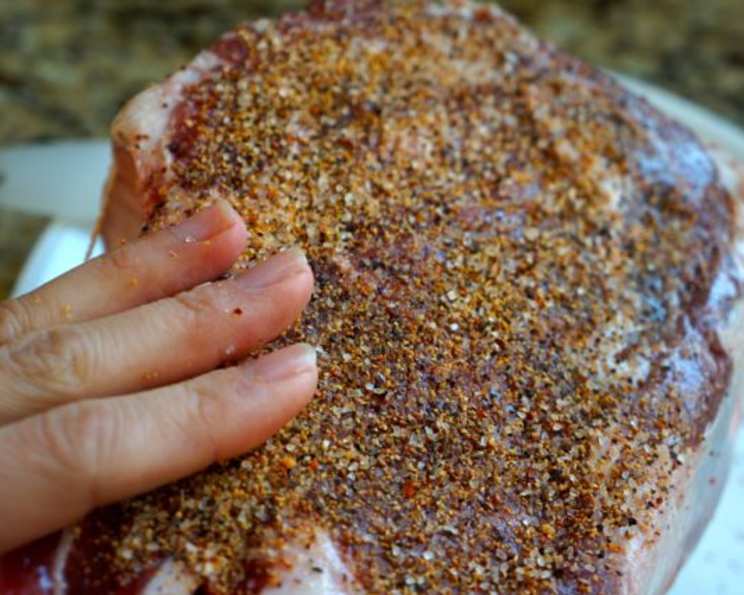
The Ultimate Prime Rib Seasoning Mix: A Chef’s Secret
My grandmother, bless her heart, was the queen of Sunday dinners. Her prime rib, succulent and perfectly seasoned, was legendary. The aroma alone, a symphony of savory spices mingling with roasting beef, would fill the entire house, drawing us all in like moths to a flame. While she never shared her exact recipe (some secrets die with the chef, I suppose), I’ve spent years experimenting, trying to recapture that magic. This prime rib seasoning mix is the closest I’ve come, a harmonious blend of spices that elevates the humble roast into a truly unforgettable culinary experience. It’s not just a recipe; it’s a tribute to those cherished family meals, a taste of home, and a promise of flavorful memories to come.
Recipe Overview
- Prep Time: 10 minutes
- Cook Time: Variable, based on prime rib size and desired doneness
- Total Time: 10 minutes (for seasoning mix) + 24 hours marinating + cook time
- Yield: Enough seasoning for 2-3 prime ribs (approx. 10-12 lbs each)
- Dietary Type: Generally Gluten-Free (check individual spice labels to confirm), Dairy-Free
Ingredients
- ¼ cup coarse ground black pepper
- ¼ cup salt
- ¼ cup garlic powder
- 2 tablespoons paprika
- ¼ cup onion powder
- 2 tablespoons MSG (optional, see note below)
- 2 tablespoons seasoning salt (such as Johnny’s Seasoning)
- 1 tablespoon celery salt
Ingredient Notes:
- MSG: Monosodium glutamate is a flavor enhancer. It can be omitted if desired, but do not substitute with meat tenderizer. Meat tenderizers often contain enzymes that can break down the meat’s proteins, leading to a mushy texture.
- Seasoning Salt: Brands like Johnny’s Seasoning provide a unique blend of spices. Feel free to experiment with your favorite brand, but be mindful of sodium content, adjusting the plain salt accordingly.
- Coarse Ground Pepper: Using coarse ground pepper is preferable to finely ground, as it provides a more pronounced pepper flavor and a slightly coarser texture to the crust.
Equipment Needed
- Small Mixing Bowl
- Measuring Cups and Spoons
- Airtight Container (for storing the seasoning mix)
- Large Roasting Pan
- Meat Thermometer
- Cutting Board
- Sharp Knife
Instructions
-
Combine the spices: In a small mixing bowl, thoroughly combine the black pepper, salt, garlic powder, paprika, onion powder, MSG (if using), seasoning salt, and celery salt. Whisk or stir well to ensure all spices are evenly distributed.
-
Store the seasoning mix: Transfer the spice mixture to an airtight container. This seasoning mix can be stored in a cool, dark place for up to 6 months.
-
Prepare the Prime Rib: The day before you plan to cook your prime rib, remove it from the refrigerator. Pat the prime rib dry with paper towels. This is crucial for developing a good crust.
-
Season the Prime Rib: For every 10 pounds of prime rib, use approximately ½ cup of the seasoning mix. Begin by generously rubbing the prime rib with soy sauce. This acts as a binder, helping the seasoning adhere to the meat. Massage the seasoning into the meat, ensuring it covers all surfaces. Continue adding more seasoning until you’ve used the desired amount.
-
Marinate the Prime Rib: Place the seasoned prime rib in the refrigerator and allow it to marinate for at least 24 hours. This allows the flavors to penetrate the meat, resulting in a more flavorful and tender roast.
-
Prepare the Roasting Pan: Before cooking, remove the prime rib from the refrigerator and let it sit at room temperature for approximately 30 minutes to 1 hour. This helps ensure more even cooking. While the meat is resting, preheat your oven.
-
Prepare the Onion Base (Optional): Slice a large onion (or more, depending on the size of your roasting pan) into approximately 1-inch thick slices. Arrange the onion slices in the center of your roasting pan, creating a bed for the prime rib to rest on. This elevates the roast, allowing for better air circulation and preventing the bottom from becoming soggy.
-
Roast the Prime Rib (Method 1: Low and Slow): Preheat your oven to 350°F (175°C). Place the prime rib, fat side up, on top of the onion slices (if using) in the roasting pan. Roast for approximately 2 hours or more, depending on the weight and desired doneness. Use a meat thermometer to monitor the internal temperature.
- Rare: 120°F (49°C)
- Medium Rare: 130-135°F (54-57°C)
- Medium: 140°F (60°C)
- Well Done: 160°F (71°C)
-
Roast the Prime Rib (Method 2: High Heat Sear): Preheat your oven to 500°F (260°C). Place the prime rib, fat side up, on top of the onion slices (if using) in the roasting pan. Roast for 5 minutes per pound. After the allotted time, turn the oven OFF, but do not open the door. Leave the prime rib in the oven for 3 hours, without peeking.
-
Rest and Serve: Once the prime rib reaches your desired internal temperature (or after the 3-hour rest period with the high-heat sear method), remove it from the oven. Tent it loosely with foil and let it rest for at least 15-20 minutes before carving. This allows the juices to redistribute throughout the meat, resulting in a more tender and flavorful roast. Remember that the internal temperature will continue to rise by as much as 15°F (8°C) during the resting period. Carve the prime rib against the grain and serve immediately.
Expert Tips & Tricks
- Fat is Flavor: Don’t trim the fat cap off the prime rib before roasting. As the roast cooks, the fat will render, basting the meat and adding flavor and moisture.
- Bone-In vs. Boneless: A bone-in prime rib will generally be more flavorful and retain more moisture than a boneless roast. The bone acts as an insulator, helping to prevent the meat from drying out.
- Dry Brining: For even better flavor and moisture retention, consider dry brining the prime rib. This involves liberally salting the roast 1-3 days before cooking. The salt draws moisture out of the meat, which then dissolves the salt. The salty water is then reabsorbed, resulting in a more seasoned and tender roast.
- Reverse Sear: For a perfectly even cook, consider the reverse sear method. Cook the prime rib at a low temperature (around 250°F/120°C) until it reaches about 10-15 degrees below your desired final temperature. Then, sear it at a high temperature (500°F/260°C) for a few minutes per side to develop a beautiful crust.
Serving & Storage Suggestions
Serve your perfectly roasted prime rib with classic sides like roasted potatoes, Yorkshire pudding, creamed spinach, or asparagus. A horseradish cream sauce or au jus also makes a delicious accompaniment.
Leftover prime rib can be stored in an airtight container in the refrigerator for up to 3-4 days. For longer storage, slice the prime rib and freeze it in individual portions. To reheat, gently warm the slices in a skillet with a little beef broth, or use them in sandwiches, salads, or omelets.
Nutritional Information
Note: Nutritional information is an estimate and may vary based on specific ingredients and serving sizes.
| Nutrient | Amount per Serving (approx. 4 oz of seasoned beef) | % Daily Value (Based on 2000 Calorie Diet) |
|---|---|---|
| Calories | 350 kcal | 18% |
| Total Fat | 25g | 38% |
| Saturated Fat | 10g | 50% |
| Cholesterol | 100mg | 33% |
| Sodium | 1500mg | 63% |
| Total Carbohydrate | 5g | 2% |
| Dietary Fiber | 1g | 4% |
| Sugar | 1g | – |
| Protein | 30g | 60% |
Variations & Substitutions
- Spicier Seasoning: Add a pinch of cayenne pepper or red pepper flakes to the seasoning mix for a touch of heat.
- Herbal Infusion: Incorporate dried herbs like rosemary, thyme, or oregano into the seasoning mix for an herbaceous flavor.
- Smoked Paprika: Substitute regular paprika with smoked paprika for a smoky depth of flavor.
- Low-Sodium Option: Reduce the amount of salt in the seasoning mix or use a low-sodium seasoning salt. You can also add dried kelp powder for a salty umami flavor.
FAQs (Frequently Asked Questions)
Q: Can I use this seasoning mix on other cuts of beef?
A: Absolutely! This seasoning mix is excellent on steaks, roasts, and even burgers. Adjust the amount of seasoning based on the size and thickness of the meat.
Q: Can I make this seasoning mix ahead of time?
A: Yes, you can make the seasoning mix weeks or even months in advance. Store it in an airtight container in a cool, dark place.
Q: What if I don’t have soy sauce for the marinade?
A: You can substitute with Worcestershire sauce or even a mixture of beef broth and balsamic vinegar.
Q: How do I know when my prime rib is done?
A: The best way to determine doneness is to use a meat thermometer. Insert the thermometer into the thickest part of the roast, avoiding the bone. Cook to your desired internal temperature. Remember that the temperature will continue to rise during the resting period.
Q: Can I cook a smaller prime rib roast with this recipe?
A: Yes, simply adjust the amount of seasoning used based on the weight of the roast. A good rule of thumb is approximately ½ cup of seasoning mix per 10 pounds of meat.
Final Thoughts
I urge you to try this prime rib seasoning mix and experience the difference it makes. It’s more than just a blend of spices; it’s a key to unlocking a truly exceptional culinary experience. Experiment, adapt it to your own tastes, and most importantly, share it with the people you love. I’m confident that this recipe will become a cherished tradition in your own home, creating memories and flavors that will last a lifetime. Don’t forget to pair this succulent prime rib with a robust red wine, like a Cabernet Sauvignon or a Merlot, for the ultimate dining experience. I’d love to hear about your experience, so please leave a comment and share your own tips and tricks!