
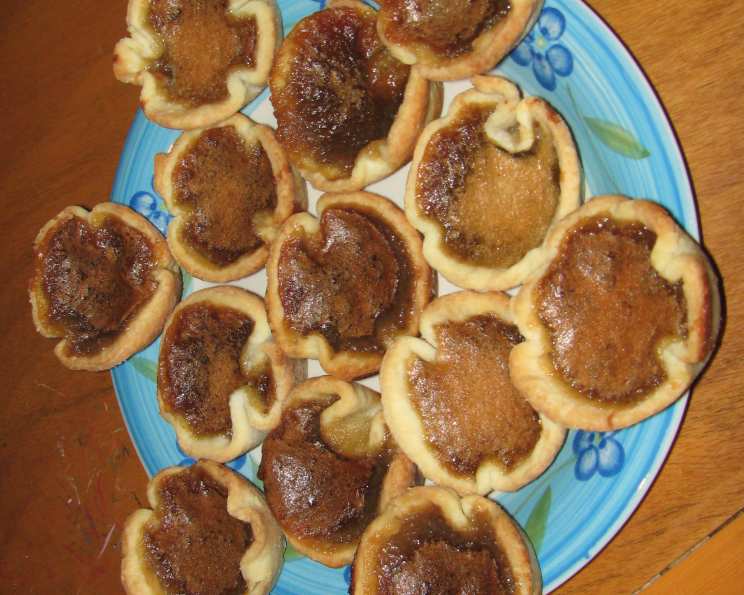
Prize Butter Tarts: A Taste of Canadian Comfort
The aroma of butter tarts baking always transports me back to my grandmother’s kitchen. I can still picture her, flour dusting her apron, carefully crimping the edges of the pastry shells before filling them with that gooey, sweet, irresistible filling. The anticipation as we waited for them to cool enough to eat, the first bite of warm, flaky crust and that burst of sugary, buttery goodness… it’s a memory I cherish, and one I’m delighted to share with you through this recipe. These aren’t just butter tarts; they’re a little piece of home.
Recipe Overview
- Prep Time: 30 minutes
- Cook Time: 20 minutes
- Total Time: 50 minutes
- Yields: 12 3-inch tarts
- Dietary Type: Not specified
Ingredients
- 1 cup brown sugar
- ½ cup seedless raisins or ½ cup pecans, chopped (or a combination!)
- ⅓ cup butter or ⅓ cup margarine, melted
- 1 egg, beaten
- 2 tablespoons milk
- 1 teaspoon vanilla extract
- 1 prepared pastry for a double-crust pie
Equipment Needed
- Oven
- 12, 3-inch tart pans
- Mixing bowl
- Measuring cups and spoons
- Fork or whisk
Instructions
-
Preheat your oven to 375°F (190°C). It’s important that the oven is fully preheated to ensure even baking and a perfectly golden crust.
-
Prepare your pastry dough. You can use a store-bought pastry for convenience, or make your own favorite recipe. Roll it out on a lightly floured surface.
-
Cut circles from the rolled-out pastry that are large enough to line the 3-inch tart pans. Gently press the pastry circles into each tart pan, ensuring they fit snugly against the sides and bottom. You can use a fork to crimp the edges for a decorative touch.
-
In a mixing bowl, combine the brown sugar, raisins (or pecans, or a combination), melted butter (or margarine), beaten egg, milk, and vanilla extract. Mix well until all ingredients are thoroughly combined. The mixture should be smooth and relatively uniform in color.
-
Spoon the mixture into the unbaked pastry-lined tart pans, filling each no more than ⅔ full. It’s crucial not to overfill the tarts, as the filling will bubble and expand during baking. If it overflows, it will create a sticky mess in your oven and potentially burn.
-
Bake for 20 minutes, or until the filling has cooked and the pastry is golden brown. Keep a close eye on the tarts during the last few minutes of baking to prevent burning. The filling should be set but still slightly soft in the center.
-
Remove the tarts from the oven and let them cool in the pans for a few minutes before carefully transferring them to a wire rack to cool completely. This allows the filling to set further and prevents the pastry from becoming soggy.
Expert Tips & Tricks
- For a richer flavor: Use browned butter instead of regular melted butter. Brown the butter in a saucepan over medium heat until it turns a nutty brown color and emits a fragrant aroma. Let it cool slightly before adding it to the filling mixture.
- Preventing a soggy crust: Blind bake the tart shells for 5-7 minutes before adding the filling. To do this, line the pastry-lined tart pans with parchment paper and fill them with pie weights or dried beans. Bake at 375°F (190°C) for 5-7 minutes, then remove the parchment paper and weights and continue with the recipe.
- Adding a hint of spice: Stir in a pinch of ground cinnamon or nutmeg to the filling mixture for a warm, comforting flavor.
- Controlling the goo factor: Some people prefer a firmer filling. To achieve this, add a tablespoon of flour or cornstarch to the filling mixture.
- Rescuing a burned top: If the tops of your tarts are browning too quickly, tent them loosely with aluminum foil during the last few minutes of baking.
Serving & Storage Suggestions
Serve the butter tarts warm or at room temperature. They’re delicious on their own or with a scoop of vanilla ice cream or a dollop of whipped cream. A dusting of powdered sugar adds a touch of elegance.
Store leftover butter tarts in an airtight container at room temperature for up to 2 days, or in the refrigerator for up to 5 days. For longer storage, you can freeze them for up to 2 months. To freeze, wrap each tart individually in plastic wrap and then place them in a freezer-safe container. Thaw overnight in the refrigerator before serving.
To reheat, warm the tarts in a preheated oven at 350°F (175°C) for 5-10 minutes, or microwave them for a few seconds until heated through.
Nutritional Information
Nutritional information is an estimate and may vary depending on specific ingredients and portion sizes.
| Nutrient | Amount per Serving | % Daily Value |
|---|---|---|
| Calories | 299.6 kcal | Not Available |
| Calories from Fat | 144 g | 48% |
| Total Fat | 16 g | 24% |
| Saturated Fat | 6 g | 30% |
| Cholesterol | 29.4 mg | 9% |
| Sodium | 220.6 mg | 9% |
| Total Carbohydrate | 37.2 g | 12% |
| Dietary Fiber | 0.7 g | 2% |
| Sugars | 21.5 g | Not Available |
| Protein | 2.8 g | 5% |
Variations & Substitutions
- Jam Tarts: For a variation, line the tart pan cups with pastry and fill them ½ full with your choice of jam. Bake at 400°F (200°C) for 20 minutes or until the pastry is golden.
- Gluten-Free: Use a gluten-free pastry crust. Many commercially available gluten-free pie crusts work well.
- Dairy-Free: Substitute the butter with a dairy-free butter alternative or solid coconut oil. Use a plant-based milk alternative like almond or soy milk.
- Nut-Free: Omit the pecans and use sunflower seeds or pumpkin seeds for a similar texture.
- Maple Butter Tarts: Replace some of the brown sugar with maple syrup for a distinctly Canadian flavor. Start with 1/4 cup of maple syrup and adjust to taste.
- Chocolate Chips: Add a handful of mini chocolate chips to the filling for a chocolatey twist.
- Dried Cranberries: Substitute dried cranberries (craisins) for the raisins for a tart and chewy variation.
FAQs (Frequently Asked Questions)
Q: Can I make the pastry dough ahead of time?
A: Absolutely! In fact, it’s recommended. Make the dough, wrap it tightly in plastic wrap, and refrigerate it for at least 30 minutes (or up to 2 days) before rolling it out. This allows the gluten to relax, resulting in a more tender crust.
Q: My filling is too runny. What did I do wrong?
A: This can happen if you overfilled the tart shells or if your oven temperature is too low. Make sure to fill the shells only ⅔ full and ensure your oven is properly preheated. You can also try adding a tablespoon of flour or cornstarch to the filling mixture to thicken it.
Q: Can I use a different type of nut?
A: Yes! Walnuts, almonds, or even chopped hazelnuts would be delicious in these tarts. Feel free to experiment with your favorite nuts.
Q: How do I know when the butter tarts are done?
A: The pastry should be golden brown, and the filling should be set but still slightly soft in the center. The filling will continue to set as it cools. If you’re unsure, insert a toothpick into the center of a tart. It should come out with a few moist crumbs attached.
Q: Can I freeze leftover butter tarts?
A: Yes! Wrap each tart individually in plastic wrap and then place them in a freezer-safe container. They can be frozen for up to 2 months. Thaw overnight in the refrigerator before serving.
Final Thoughts
These Prize Butter Tarts are more than just a dessert; they’re a taste of tradition, a comforting reminder of home, and a delightful treat to share with loved ones. Don’t be intimidated by the pastry; even store-bought dough can yield fantastic results. I encourage you to give this recipe a try and experience the joy of homemade butter tarts. Feel free to experiment with the variations and substitutions to create your own signature version. And please, share your creations and feedback – I’d love to hear how they turn out! Perhaps serve them alongside a cup of hot tea or coffee for the ultimate cozy experience.