
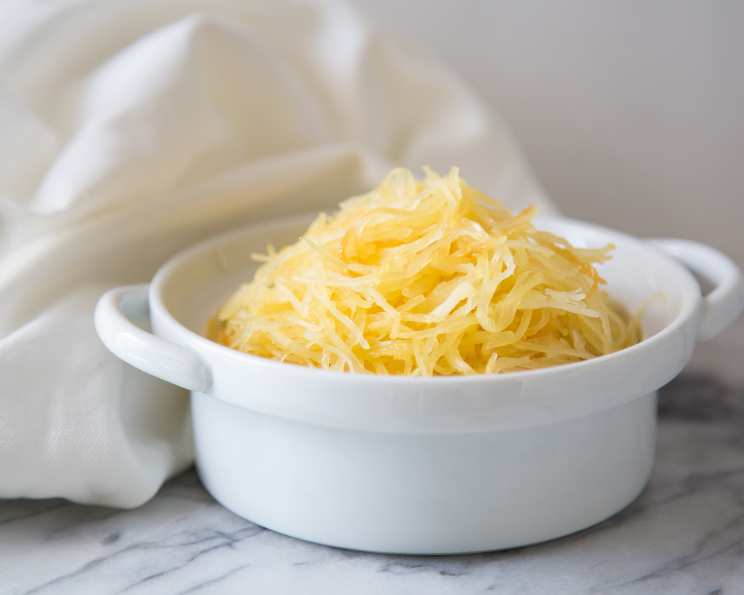
Perfectly Prepared Spaghetti Squash: A Culinary Canvas
The first time I encountered spaghetti squash, I was a summer intern at a small farm-to-table restaurant. The chef, a gruff but brilliant woman named Maria, handed me a pile of these oblong, pale yellow vegetables and simply said, “Make something delicious.” I was intimidated, but the process of transforming this humble squash into delicate, pasta-like strands was magical. It was then I realized the versatility of this vegetable, and since then, I’ve used it in countless ways, always remembering Maria’s simple instruction.
Recipe Overview
- Prep Time: 15 minutes
- Cook Time: 30-40 minutes
- Total Time: 45-55 minutes
- Servings: 4
- Dietary Type: Gluten-Free
Ingredients
- 1 spaghetti squash
- 1 head garlic
- Salt
- Pepper
- Olive oil
- Vegetable oil
- Optional: Meat or cheese
Equipment Needed
- Sharp, sturdy knife
- Spoon
- Oven-safe cooking dish
- Fork
Instructions
-
Begin by preheating your oven to between 350-375°F (175-190°C). The exact temperature isn’t critical, but staying within this range will ensure the squash cooks evenly without burning.
-
Next, take your raw spaghetti squash and, using a sturdy, sharp knife, carefully halve it lengthwise. This can be a bit challenging, so be sure to place the squash on a stable surface and use a rocking motion. Safety first!
-
Once halved, use a spoon to scoop out and discard the seeds and stringy pulp from the center of each half. This is sometimes referred to as the “squash poop.”
-
Place the squash halves onto an oven-safe cooking dish, cut-side up. A baking sheet with a rim works well.
-
Now, prepare the garlic. Clean the head of garlic and thinly slice all the cloves. Don’t worry about making them perfectly uniform; the larger pieces will brown nicely in the oven, adding a wonderful layer of complexity to the dish.
-
Distribute the sliced garlic evenly into the bowl-like shape of the squash halves.
-
Season generously with salt and pepper. Don’t be shy; the squash can handle a good amount of seasoning.
-
Drizzle the squash halves with a 50/50 mixture of olive oil and vegetable oil. Ensure the oil coats the entire inside surface of the squash. This oil mixture adds both flavor and helps the squash to soften properly.
-
Place the cooking dish onto the upper-middle rack of the preheated oven.
-
Bake for approximately 30-40 minutes. The cooking time can vary slightly depending on the size of your squash and your oven.
-
Check for doneness. The squash is ready when the strands easily separate from the skin with minimal resistance when gently poked with a fork.
-
Remove the squash from the oven and place it in the coldest location possible (a cool countertop or near an open window) to cool for at least 20 minutes before separating the strands from the skin. This cooling period helps prevent the squash from being too watery.
-
After cooling, use a fork to scoop and separate the squash strands. As you do this, you can incorporate any other ingredients you desire.
-
Consider adding Parmesan, Romano, or Pecorino cheese for a savory touch. Feta is another excellent choice.
-
Meat additions like sausage or ground beef work perfectly. Vegetables, such as roasted peppers or spinach, can also be incorporated to create a balanced meal. Olives add a salty, briny flavor that complements the squash nicely.
-
WARNING: If you are using a loose, tomato-based sauce, do not add it directly to the squash immediately. This can make the squash runny, mushy, and unpalatable. Instead, garnish the dish with a small amount of sauce atop the squash and offer more sauce on the side in a separate dish.
-
If you have leftovers, you can add a little bit of flour to the squash strands and form them into patties and fry them for a delicious and crispy snack or side dish.
Expert Tips & Tricks
- To make the squash easier to cut, microwave it for 2-3 minutes before halving. This softens the skin slightly.
- Roasting the garlic whole alongside the squash is another flavor option. Just slice off the top of the head, drizzle with oil, wrap in foil, and bake. The roasted garlic can then be squeezed out and mixed into the cooked squash.
- If you want to add a little heat, try a pinch of red pepper flakes when seasoning the squash.
Serving & Storage Suggestions
Serve the spaghetti squash immediately after preparation for the best flavor and texture. To elevate the presentation, serve it in the squash “bowls” themselves. For a simple presentation, toss the squash with a little butter, salt, and pepper, or use it as a bed for grilled chicken or fish.
Leftover spaghetti squash can be stored in an airtight container in the refrigerator for up to 3-4 days. To reheat, microwave it for 1-2 minutes or warm it in a skillet over medium heat. Adding a touch of water or broth during reheating can help prevent it from drying out. Freezing is also an option; spread the cooked squash in a single layer on a baking sheet, freeze until solid, and then transfer to a freezer bag for up to 2-3 months. Thaw in the refrigerator before reheating.
Nutritional Information
| Nutrient | Amount per Serving | % Daily Value |
|---|---|---|
| Calories | ~50 kcal | ~3% |
| Total Fat | ~1g | ~1% |
| Saturated Fat | ~0g | ~0% |
| Cholesterol | 0mg | 0% |
| Sodium | ~20mg | ~1% |
| Total Carbohydrate | ~10g | ~4% |
| Dietary Fiber | ~2g | ~8% |
| Sugars | ~2g | |
| Protein | ~1g | ~2% |
Note: Nutritional information is an estimate and may vary depending on specific ingredients and portion sizes.
Variations & Substitutions
- Vegan Option: Instead of cheese, try adding nutritional yeast for a cheesy flavor. Tofu ricotta is another great vegan alternative.
- Spicy Twist: Add a pinch of cayenne pepper or a dash of hot sauce to the squash before baking.
- Herbaceous: Toss the cooked squash with fresh herbs like basil, oregano, or thyme.
- Mediterranean: Combine the spaghetti squash with sun-dried tomatoes, Kalamata olives, and feta cheese for a Mediterranean-inspired dish.
- Asian Inspired: Add soy sauce, sesame oil, and a sprinkle of sesame seeds for a flavorful Asian-inspired dish.
FAQs (Frequently Asked Questions)
Q: How do I know when the spaghetti squash is done cooking?
A: The squash is done when the flesh easily separates into strands with a fork and is tender. You should be able to easily pierce the skin with a fork as well.
Q: Can I cook spaghetti squash in the microwave?
A: Yes, you can! Cut the squash in half, scoop out the seeds, and place it cut-side down in a microwave-safe dish with about 1/2 cup of water. Microwave on high for about 10-15 minutes, or until tender.
Q: My spaghetti squash is watery. What did I do wrong?
A: Overcooking the squash or not allowing it to cool adequately after cooking can result in a watery texture. Be sure to follow the recommended cooking times and let the squash cool for at least 20 minutes before shredding.
Q: Can I use spaghetti squash as a pasta substitute in any recipe?
A: Yes! Spaghetti squash is a great low-carb and gluten-free alternative to traditional pasta. It works well with a variety of sauces and toppings. However, be mindful of the moisture content, and adjust sauces accordingly.
Q: How long will cooked spaghetti squash last in the refrigerator?
A: Cooked spaghetti squash can be stored in an airtight container in the refrigerator for up to 3-4 days.
Final Thoughts
I encourage you to try this simple yet versatile spaghetti squash recipe. It’s a wonderful way to enjoy a healthy and delicious meal, whether you’re looking for a gluten-free pasta alternative or simply a flavorful side dish. Don’t be afraid to experiment with different seasonings and toppings to create your own unique version. Share your creations and feedback, and enjoy the culinary journey!