
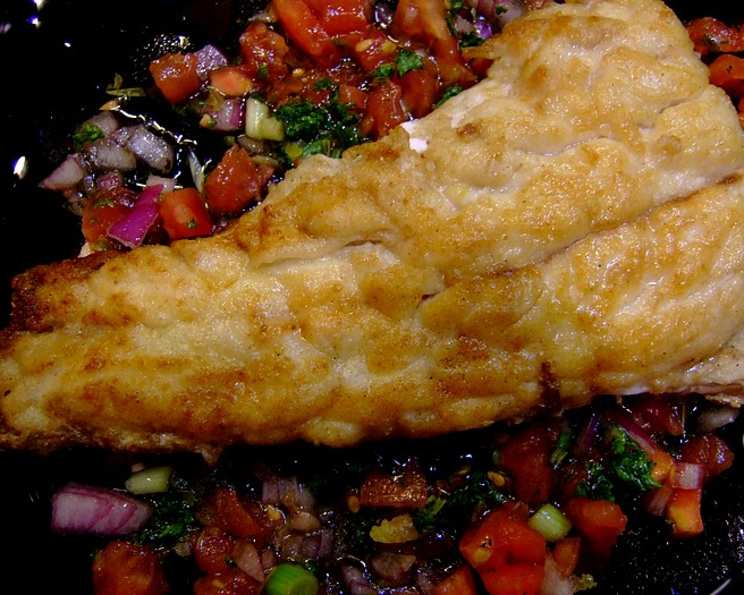
Provencal Salmon With Tomato Basil Sauce: A Taste of the Mediterranean
There’s a certain magic that happens when the vibrant flavors of the Mediterranean meet perfectly cooked salmon. I remember vividly the first time I tasted this dish – not in a restaurant, but at a small, family-run bistro nestled in the hills of Provence. The air was filled with the scent of lavender and the gentle hum of cicadas. This Provencal Salmon with Tomato Basil Sauce instantly transported me back to that sun-drenched afternoon with every bite. It’s a symphony of fresh, simple ingredients that sings on the palate.
Recipe Overview
- Prep Time: 20 minutes
- Cook Time: 8 minutes
- Total Time: 28 minutes (plus marinating time)
- Servings: 6
- Yield: 6 salmon fillets with sauce
- Dietary Type: Dairy-Free
Ingredients
- 4 large ripe tomatoes, peeled, seeded, and finely chopped
- 2 shallots, minced
- 1/3 cup fresh basil leaves, chopped
- 1/2 lemon, zest of
- 1/2 cup extra virgin olive oil
- 2 tablespoons sherry wine vinegar
- 1 tablespoon minced fresh chives
- 1 tablespoon minced fresh tarragon
- Salt & freshly ground black pepper to taste
- Cayenne pepper to taste
- Extra virgin olive oil for brushing the salmon
- Salt & freshly ground black pepper for seasoning the salmon
- 6 sprigs fresh basil (to garnish)
- 6 (6 ounce) salmon fillets, skin on or off, as preferred
Equipment Needed
- Non-reactive mixing bowl
- Baking sheet
- Aluminum foil
- Small bowl for brushing salmon
Instructions
-
Prepare the Tomato Basil Sauce: This sauce is best made several hours, or even a day, in advance to allow the flavors to meld. In a non-reactive mixing bowl, gently stir together the chopped tomatoes, minced shallots, chopped fresh basil, lemon zest, olive oil, sherry wine vinegar, minced fresh chives, and minced fresh tarragon.
-
Season the Sauce: Season the sauce generously with salt, freshly ground black pepper, and a pinch of cayenne pepper. The amount of cayenne depends on your heat preference; start with a small pinch and add more to taste.
-
Marinate the Sauce: Cover the bowl tightly with plastic wrap and leave the sauce at room temperature to marinate for at least several hours or overnight. If your kitchen is particularly warm, it is best to refrigerate it to prevent spoilage. Remove from the refrigerator about 30 minutes before serving to allow the flavors to fully develop.
-
Preheat the Oven: About 30 minutes before serving, preheat your oven to 400°F (200°C).
-
Prepare the Baking Sheet: Cover a baking sheet with aluminum foil. Lightly brush the foil with olive oil to prevent the salmon from sticking.
-
Switch to Broiler: Once the oven is preheated, switch it to its broiler function. Position an oven rack so the top of the salmon will be approximately 2 inches from the broiler flame.
-
Prepare the Salmon: Pat the salmon fillets dry with paper towels. This will help them brown nicely under the broiler. Brush each fillet with olive oil on both sides. Season generously with salt and freshly ground black pepper.
-
Broil the Salmon: Arrange the seasoned salmon fillets on the prepared baking sheet. Place the baking sheet under the broiler and cook until the top of the salmon is very lightly browned and the flesh is still slightly pink in the center, approximately 7 to 8 minutes. Keep a very close eye on the salmon, as broilers can vary in intensity, and it can burn quickly. The internal temperature should reach 145°F (63°C).
-
Adjust Sauce Seasoning: While the salmon is broiling, taste the tomato basil sauce and, if necessary, adjust the seasonings to your liking. Add more salt, pepper, or cayenne if needed.
-
Plate the Dish: Warm six serving plates. Spoon a generous amount of the tomato basil sauce onto the middle of each plate.
-
Serve: Carefully place a salmon fillet on top of the sauce on each plate. Top each fillet with a sprig of fresh basil for garnish. Serve immediately, passing any remaining sauce separately.
Expert Tips & Tricks
- Tomato Quality: Use the best quality ripe tomatoes you can find, especially if making this dish during tomato season. Heirloom varieties are fantastic. Canned diced tomatoes can be used in a pinch but drain off any excess liquid.
- Don’t Overcook the Salmon: The key to perfectly cooked salmon is to avoid overcooking it. It should be slightly pink in the center. The residual heat will continue to cook it as it rests.
- Marinating Time: The longer the sauce marinates, the more the flavors will meld. However, don’t marinate it for more than 24 hours, as the tomatoes can become overly soft.
- Skin-On or Skin-Off: You can cook the salmon with the skin on or off, depending on your preference. If cooking skin-on, you can crisp the skin under the broiler for extra texture. Make sure to score the skin a few times to prevent it from curling.
- Broiler Variations: Broilers vary significantly. Keep a close watch, and adjust the cooking time accordingly. If the salmon is browning too quickly, lower the oven rack or reduce the broiling time.
Serving & Storage Suggestions
This dish is best served immediately while the salmon is still warm and the sauce is fresh. It pairs beautifully with a crisp white wine, such as a Sauvignon Blanc or a dry Rosé. Serve alongside a simple green salad or roasted asparagus for a complete and elegant meal.
Leftovers can be stored in an airtight container in the refrigerator for up to 2 days. Reheat gently in a skillet over low heat or in the microwave. Be careful not to overcook the salmon during reheating. The sauce can also be stored separately and used as a topping for grilled chicken or fish. While freezing isn’t recommended due to the tomatoes’ texture changing, it can be done. However, the quality will be lessened. It’s best to eat within 1-2 months and allow it to completely thaw before gently reheating.
Nutritional Information
| Nutrient | Amount per Serving | % Daily Value |
|---|---|---|
| Calories | 387.9 kcal | N/A |
| Calories from Fat | 218 kcal | N/A |
| Total Fat | 24.2 g | 37% |
| Saturated Fat | 3.5 g | 17% |
| Cholesterol | 89.1 mg | 29% |
| Sodium | 122.7 mg | 5% |
| Total Carbohydrate | 6.4 g | 2% |
| Dietary Fiber | 1.6 g | 6% |
| Sugars | 3.2 g | N/A |
| Protein | 35.7 g | 71% |
Variations & Substitutions
- Herb Variations: Feel free to experiment with other fresh herbs in the sauce, such as oregano, thyme, or rosemary.
- Spice Level: Adjust the amount of cayenne pepper to control the spice level. You can also add a pinch of red pepper flakes for extra heat.
- Salmon Substitution: If you don’t have salmon on hand, you can use other firm-fleshed fish, such as tuna, cod, or halibut. Adjust the cooking time accordingly.
- Vinegar Variation: Try using red wine vinegar instead of sherry wine vinegar for a slightly different flavor profile.
- Make it Spicy: Add a finely chopped jalapeño to the sauce for a more pronounced kick.
FAQs (Frequently Asked Questions)
Q: Can I make the tomato basil sauce ahead of time?
A: Absolutely! In fact, it’s recommended. Making the sauce a day in advance allows the flavors to meld and deepen.
Q: How do I prevent the salmon from sticking to the foil?
A: Ensure you lightly brush the foil with olive oil before placing the salmon on it. This will create a barrier and prevent sticking.
Q: Can I grill the salmon instead of broiling it?
A: Yes, grilling is a great alternative. Preheat your grill to medium-high heat and cook the salmon for about 4-5 minutes per side, or until cooked through.
Q: What if I don’t have sherry wine vinegar?
A: You can substitute with red wine vinegar or white wine vinegar. The flavor will be slightly different, but still delicious.
Q: How can I tell if the salmon is cooked properly?
A: The salmon is cooked when it flakes easily with a fork and is still slightly pink in the center. The internal temperature should reach 145°F (63°C).
Final Thoughts
This Provencal Salmon with Tomato Basil Sauce is a dish that embodies the simplicity and elegance of Mediterranean cuisine. The bright, fresh flavors of the tomato basil sauce perfectly complement the rich, succulent salmon, creating a truly unforgettable culinary experience. I encourage you to try this recipe and bring a taste of Provence to your own kitchen. Don’t hesitate to experiment with the herbs and spices to create a variation that suits your personal palate. And most importantly, share your creation with loved ones and savor every delicious bite! Bon appétit!