
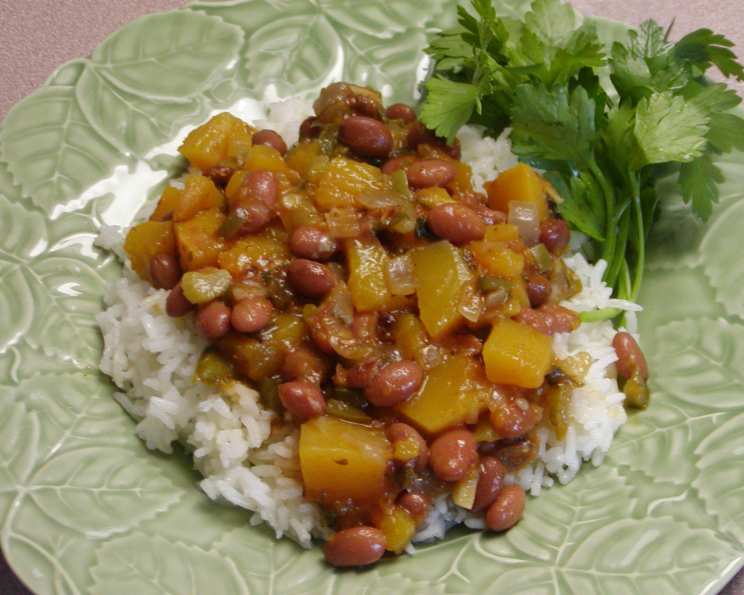
Puerto Rican Habichuelas Rosadas: A Taste of Home
The scent of habichuelas rosadas simmering on the stove instantly transports me back to my grandmother’s kitchen in San Juan. I can almost see her now, effortlessly stirring the pot, the aroma of sofrito and spices filling the air. As a child, I would eagerly await this simple yet incredibly flavorful dish, knowing that it was made with love and a secret blend of traditions passed down through generations. Each spoonful was a warm embrace, a reminder of family, and a taste of Puerto Rico that I carry with me wherever I go.
Recipe Overview
- Prep Time: 20 minutes
- Cook Time: 1 hour 30 minutes
- Total Time: 1 hour 50 minutes
- Servings: 6
- Dietary Type: Vegetarian (Can be Vegan)
Ingredients
- 2 cups water
- 1 3/4 lbs calabaza squash or 1 3/4 lbs butternut squash, peeled and cut into 1/2 inch cubes
- 1 teaspoon annatto seeds (optional, for color)
- 2 tablespoons olive oil
- 1 medium onion, chopped
- 1 small sweet green pepper, chopped
- 1/2 chili pepper, finely chopped (such as scotch bonnet or habanero for heat)
- 2 cloves garlic, finely chopped
- 6 fresh cilantro leaves, finely chopped (or use culantro leaves, if you can find them)
- 1/2 cup tomato sauce
- 1 (15 ounce) can pink beans, undrained
- 3/4 teaspoon salt
- 1/2 teaspoon dried oregano leaves
For the Cooked White Rice:
- 3 cups water
- 1/4 cup olive oil
- 1 teaspoon salt
- 2 cups long-grain white rice
Equipment Needed
- 1-quart saucepan
- 4-quart saucepan or Dutch oven
- Heavy 4-quart saucepan or Dutch oven (for rice)
- Measuring cups and spoons
- Knife
- Cutting board
- Strainer (if using annatto seeds)
- Fork
Instructions
-
Prepare Cooked White Rice: In a heavy 4-quart saucepan or Dutch oven, heat 3 cups water, 1/4 cup olive oil, and 1 teaspoon salt to boiling over high heat.
-
Add Rice: Reduce heat to medium; add 2 cups rice and cook uncovered until rice appears to be dry—about 10 to 15 minutes. You’ll see little “craters” forming on the surface as the water evaporates.
-
Turn Rice: Using a fork, gently bring rice on the bottom to the top, but do not mix excessively. This helps ensure even cooking and prevents sticking.
-
Lower Heat and Cook: Reduce heat to low; cook for 10 minutes.
-
Turn Again: Turn rice over again gently and cook for another 10 minutes. This two-step cooking process helps to achieve the desired texture.
-
Cover and Keep Warm: Cover the rice and keep warm until ready to serve. This rice dish is traditionally somewhat crunchy in texture. The slight crispiness on the bottom is considered a desirable characteristic.
-
Prepare the Squash: In a 1-quart saucepan, heat 2 cups water and 1 3/4 lbs cubed squash (calabaza or butternut) to boiling over high heat.
-
Simmer Squash: Reduce heat to low, cover, and cook until the squash is tender—about 10 to 15 minutes. It should be easily pierced with a fork.
-
Drain Squash: Drain the squash, reserving 1 1/2 cups of the cooking liquid in a measuring cup. This reserved liquid adds flavor and body to the bean sauce.
-
Infuse with Annatto (Optional): Add 1 teaspoon annatto seeds to the reserved cooking liquid and set aside for 5 minutes to infuse the liquid with color and a subtle earthy flavor.
-
Sauté Sofrito: In a 4-quart saucepan, heat 2 tablespoons olive oil over medium heat. Add 1 medium chopped onion, 1 small chopped green pepper, 2 cloves finely chopped garlic, and 1/2 finely chopped chili pepper. Sauté this mixture, known as sofrito, for about 5 minutes, or until the vegetables are softened and fragrant. Stir frequently to prevent burning.
-
Strain Annatto Liquid: Strain the infused liquid from the annatto seeds into the sofrito, discarding the seeds. The liquid will impart a beautiful reddish-orange hue to the sauce.
-
Add Tomato Sauce and Squash: Add 1/2 cup tomato sauce and the cooked squash to the saucepan.
-
Simmer Sauce: Reduce heat to low and cook, stirring occasionally, until the sauce is thickened—about 20 minutes. This allows the flavors to meld together and the sauce to develop a richer consistency.
-
Incorporate Beans: Stir in 1 (15 ounce) can undrained pink beans, 3/4 teaspoon salt, and 1/2 teaspoon dried oregano leaves into the mixture.
-
Warm Through: Cook until the beans are warmed through and the sauce has thickened again—about 15 minutes. Stir occasionally to prevent sticking.
-
Serve: To serve, spoon the bean mixture over the cooked white rice on a serving plate.
-
Enjoy!
Expert Tips & Tricks
- Sofrito is Key: The sofrito is the foundation of flavor in this dish. Don’t rush this step. Allow the vegetables to soften and release their aromas before adding the liquids.
- Spice Level: Adjust the amount of chili pepper to your preference. For a milder dish, remove the seeds and membranes from the pepper before chopping.
- Squash Variety: While calabaza squash is traditional, butternut squash is a readily available and excellent substitute.
- Annatto Alternative: If you don’t have annatto seeds, you can use a pinch of saffron or a dash of smoked paprika for color and flavor.
- Make Ahead: The beans can be made ahead of time and stored in the refrigerator for up to 3 days. Reheat gently before serving.
Serving & Storage Suggestions
Serve the habichuelas rosadas hot over a bed of freshly cooked white rice. A side of tostones (fried plantains) or a simple green salad complements the dish perfectly.
Leftovers can be stored in an airtight container in the refrigerator for up to 3 days. To reheat, gently warm on the stovetop or in the microwave. Add a splash of water or broth if the beans have thickened too much. Habichuelas rosadas can also be frozen for up to 2 months. Thaw overnight in the refrigerator before reheating.
Nutritional Information
| Nutrient | Amount per Serving | % Daily Value |
|---|---|---|
| Calories | 468 kcal | N/A |
| Total Fat | 14 g | 22% |
| Saturated Fat | 2 g | 10% |
| Cholesterol | 0 mg | 0% |
| Sodium | 965 mg | 40% |
| Total Carbohydrate | 73 g | 24% |
| Dietary Fiber | 6 g | 22% |
| Sugars | 3 g | N/A |
| Protein | 12 g | 23% |
Variations & Substitutions
- Vegan Variation: Ensure the tomato sauce you use is vegan.
- Protein Boost: Add diced ham, chorizo, or salted pork for a heartier dish.
- Different Beans: While pink beans are traditional, you can also use kidney beans or pinto beans.
- Coconut Rice: Cook the rice with coconut milk instead of water for a richer, sweeter flavor.
- Vegetable Additions: Add other vegetables like carrots, potatoes, or corn to the bean mixture for added nutrition and flavor.
FAQs (Frequently Asked Questions)
Q: Can I use dried beans instead of canned?
A: Yes, you can use dried pink beans. Soak them overnight and then cook until tender before adding them to the recipe. You’ll need about 1 cup of dried beans to yield the equivalent of a 15-ounce can.
Q: What is culantro, and can I substitute it?
A: Culantro is an herb with a stronger flavor than cilantro. If you can’t find it, simply use more cilantro.
Q: How can I make this dish less salty?
A: Use low-sodium tomato sauce and be mindful of the amount of salt you add. You can also add a squeeze of lime or lemon juice to brighten the flavors and balance the saltiness.
Q: Can I make this in a slow cooker?
A: Yes, you can. Sauté the sofrito ingredients, then add all ingredients to the slow cooker and cook on low for 6-8 hours or on high for 3-4 hours.
Q: Why is my rice crunchy?
A: The traditional Puerto Rican white rice is often slightly crunchy. If you prefer softer rice, add a bit more water during the cooking process or reduce the cooking time slightly.
Final Thoughts
Habichuelas Rosadas con Arroz is more than just a recipe; it’s a cultural staple, a taste of Puerto Rican heritage, and a comforting reminder of home. I encourage you to try this recipe and experience the vibrant flavors for yourself. Don’t be afraid to experiment with different variations and make it your own. Whether you’re a seasoned cook or a beginner in the kitchen, this dish is sure to bring a touch of warmth and flavor to your table. Share your creations and feedback – I’d love to hear how it turns out!