
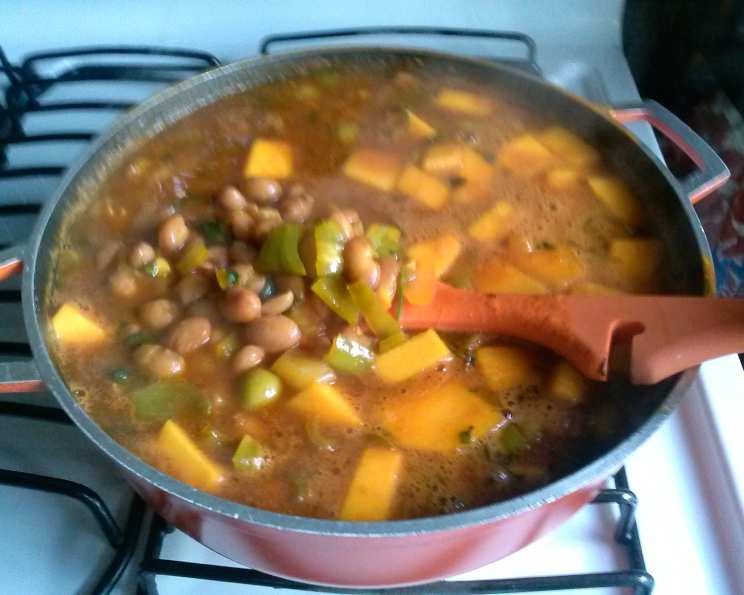
The Soul of Puerto Rico: Habichuelas Guisadas (Stewed Beans)
The aroma alone transports me back to my grandmother’s kitchen in Ponce. It wasn’t just a meal; it was an experience. The bubbling pot of habichuelas guisadas on her stove, seasoned with generations of love and tradition, filled the air with a comforting warmth that always felt like home. Each spoonful was a burst of savory richness, a testament to the simple yet profound flavors of Puerto Rican cuisine. And to this day, no matter where I am, that smell reminds me that I’m home.
Recipe Overview
- Prep Time: 20 minutes
- Cook Time: 3 hours 15 minutes
- Total Time: 3 hours 35 minutes
- Servings: 6
- Yield: About 8 cups
- Dietary Type: Gluten-Free (naturally), Dairy-Free
Ingredients
- 1 (16 ounce) bag Goya Roman Beans (can substitute with red kidney beans or pink beans if preferred)
- 1 cup cubed calabaza squash (optional) or 1 cup cubed russet potato (optional)
- 2 tablespoons tomato paste
- 1 teaspoon dried oregano
- 1 teaspoon ground cumin
- 1 teaspoon fresh ground black pepper
- 3 chicken bouillon cubes
- 3 (1 1/2 ounce) packages Sazon Goya seasoning (with Cilantro and Tomato)
- Water
- 10 stuffed manzanilla olives
- 1/4 cup olive oil
- 1 cup sofrito sauce (see note below)
Sofrito Substitutes (if you don’t have premade sofrito):
- 1 small onion, chopped
- 2 cubanelle peppers, chopped
- 6 garlic cloves, mashed in a mortar and pestle or finely chopped
- 1/4 cup fresh cilantro, chopped
Garnish:
- 1/4 cup chopped fresh cilantro
Optional Additions:
- Chopped ham, chorizo, or bacon can be added.
Equipment Needed
- Large pot
- Colander
- Saute pan
- Measuring cups and spoons
Instructions
-
Soak the beans: Place the Goya Roman Beans in a large bowl or pot and cover with enough water to submerge them completely. Let the beans soak overnight (at least 8 hours). This step is crucial for softening the beans and reducing cooking time.
-
Rinse and sort the beans: The next day, empty the soaked beans into a colander and rinse them thoroughly with cold water. Carefully inspect the beans, discarding any that are split, broken, or appear to be discolored or of an unusual size.
-
Initial cooking: Transfer the rinsed beans to a large pot and add enough cold water to cover the beans by about 3 inches. Bring the beans to a boil over high heat.
-
Simmering: Once the beans reach a boil, reduce the heat to medium and partially cover the pot with a lid. Simmer the beans for 45 minutes to 1 hour, or until they begin to soften. Stir the beans occasionally during cooking, and add more water as needed to ensure the beans remain covered by at least 3 inches of water.
-
Prepare the sofrito (or its substitutes): While the beans are cooking, heat a saute pan over medium-low heat. Add the olive oil, then the sofrito (if using) or the chopped onion, cubanelle peppers, and mashed/chopped garlic if substituting.
-
Sauté the aromatics: Sauté the sofrito or its substitute ingredients for about 3 minutes, until the onions are translucent and fragrant. Then, add the tomato paste, Goya Sazon seasoning, chicken bouillon cubes, dried oregano, ground cumin, black pepper, and stuffed manzanilla olives.
-
Infuse the flavors: Continue to cook the mixture for another 2 minutes, stirring constantly, allowing the flavors to meld together beautifully. Remove the saute pan from the heat and set aside.
-
Combine and simmer: After the beans have cooked for about an hour and have begun to soften, add the chopped calabaza or potato (if using) and the prepared sofrito mixture (with all the seasonings) to the beans. Mix well to combine, adding more water if needed to maintain the desired consistency.
-
Final simmer: Cook the beans for an additional 30 minutes on medium heat, partially covered, then another 30 minutes on medium heat uncovered, stirring occasionally. This allows the beans to thicken and the flavors to fully develop.
-
Garnish and serve: Once the beans are tender and the sauce has thickened to your liking, garnish with the chopped fresh cilantro before serving.
Expert Tips & Tricks
- Bean Quality Matters: Opt for high-quality Goya Roman Beans (or your preferred bean variety) for the best flavor and texture. Older beans can take longer to cook and may not soften as well.
- Salt to Taste: Be mindful of the salt content from the chicken bouillon cubes and Sazon Goya seasoning. Taste the beans towards the end of cooking and adjust the salt accordingly.
- Texture is Key: Some people prefer their habichuelas thicker, while others like them more soupy. Adjust the amount of water and cooking time to achieve your desired consistency. You can even mash a few beans against the side of the pot to thicken the sauce.
- Make Ahead: These beans taste even better the next day! The flavors have more time to meld together. Prepare a day in advance and store in the refrigerator.
- Sofrito Shortcut: While homemade sofrito is best, high-quality store-bought sofrito can be a time-saver when you’re in a pinch.
Serving & Storage Suggestions
Habichuelas guisadas are a staple in Puerto Rican cuisine and are incredibly versatile. Serve them as a side dish with rice, tostones (fried plantains), and your favorite protein, such as pernil (roasted pork shoulder) or pollo guisado (stewed chicken). They’re also delicious served over mashed potatoes or alongside cornbread.
To store leftovers, allow the beans to cool completely before transferring them to an airtight container. Store in the refrigerator for up to 3-4 days. For longer storage, freeze the beans in freezer-safe containers for up to 2-3 months. To reheat, thaw the beans in the refrigerator overnight or use the defrost setting on your microwave. Reheat gently on the stovetop or in the microwave until heated through.
Nutritional Information
Please note that these are estimated values and may vary based on specific ingredients and portion sizes.
| Nutrient | Amount per Serving | % Daily Value |
|---|---|---|
| Calories | 250 kcal | 13% |
| Total Fat | 8g | 10% |
| Saturated Fat | 1g | 5% |
| Cholesterol | 0mg | 0% |
| Sodium | 800mg | 35% |
| Total Carbohydrate | 35g | 13% |
| Dietary Fiber | 10g | 36% |
| Sugars | 5g | N/A |
| Protein | 12g | 24% |
Variations & Substitutions
- Vegetarian/Vegan: This recipe is naturally vegetarian and can easily be made vegan by ensuring the chicken bouillon cubes are replaced with vegetable bouillon cubes.
- Spice It Up: Add a pinch of cayenne pepper or a diced habanero pepper (use caution!) to the sofrito for a spicier kick.
- Smoked Flavor: For a deeper, smokier flavor, consider adding a smoked ham hock or smoked paprika to the beans. Remember to adjust the salt accordingly if using a ham hock.
- Different Beans: While this recipe calls for Goya Roman Beans, feel free to experiment with other types of beans, such as red kidney beans, pink beans, or even black beans. Cooking times may vary slightly depending on the type of bean used.
- Coconut Milk: For a richer, creamier texture, try adding a can of coconut milk during the last 30 minutes of cooking.
FAQs (Frequently Asked Questions)
Q: Why do I need to soak the beans overnight?
A: Soaking the beans helps to soften them, which significantly reduces the cooking time. It also helps to remove some of the indigestible sugars that can cause digestive discomfort.
Q: Can I use canned beans instead of dried beans?
A: While dried beans are recommended for the best flavor and texture, you can use canned beans in a pinch. Reduce the cooking time significantly and adjust the liquid accordingly.
Q: How do I know when the beans are done?
A: The beans are done when they are tender and easily mashed with a fork. The sauce should also be thick and flavorful.
Q: Can I make this recipe in a slow cooker?
A: Yes, you can adapt this recipe for a slow cooker. Soak the beans overnight as directed, then combine all ingredients in the slow cooker. Cook on low for 6-8 hours, or until the beans are tender.
Q: What if I don’t have sofrito?
A: The recipe provides a substitute using common ingredients like onion, peppers, garlic, and cilantro. While not exactly the same, it will still provide a flavorful base for your beans.
Final Thoughts
Now it’s your turn to create a taste of Puerto Rico in your own kitchen. Embrace the aromas, savor the flavors, and share this cherished dish with loved ones. Don’t be afraid to experiment with the variations and substitutions to create your own unique version of habichuelas guisadas. And if you have any special touches or memories associated with this recipe, please share them – I’m always eager to learn from fellow food enthusiasts! Buen provecho!