
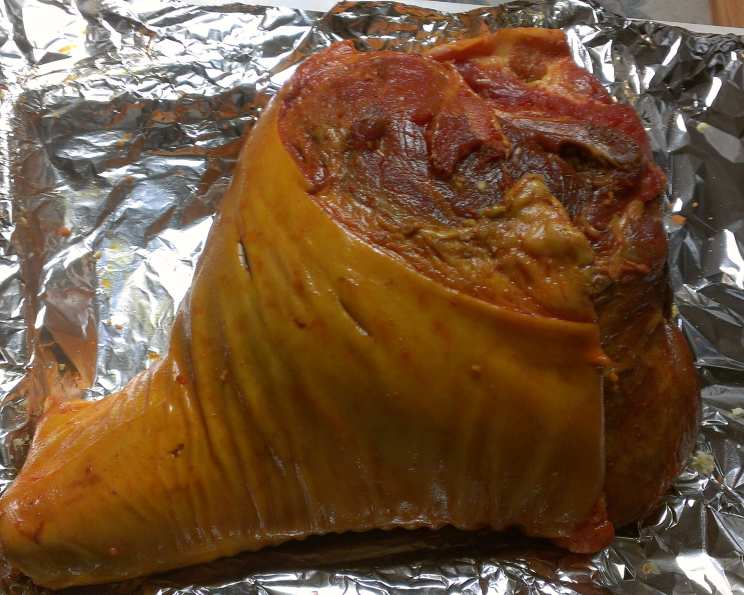
The Soul of Puerto Rico: A Guide to Perfect Pernil
The aroma… it’s more than just roasted pork. It’s Abuela’s laughter echoing through the kitchen, the vibrant pulse of salsa music spilling from the radio, and the joyous cacophony of a family gathered for a celebration. My earliest memories are woven with the scent of pernil, that slow-roasted, impossibly tender pork shoulder, its crispy skin a crackling symphony of flavor. Each bite transports me back to those sun-drenched days, a tangible connection to my heritage, a taste of home. This isn’t just a recipe; it’s a legacy passed down, a flavor of love shared.
Recipe Overview
- Prep Time: 15 minutes
- Cook Time: 4-6 hours
- Total Time: 4 hours 15 minutes to 6 hours 15 minutes
- Servings: 6-10
- Yield: Varies depending on pork shoulder size
- Dietary Type: Gluten-Free, Dairy-Free
Ingredients
- 5-8 lbs pork shoulder
- 6-8 cloves minced garlic
- 1 teaspoon salt
- ½ teaspoon dried oregano
- 1 packet Sazón Goya (found in most supermarkets in the ethnic aisle)
- ½ teaspoon Adobo seasoning (found in most supermarkets in the ethnic aisle)
Equipment Needed
- Sharp knife
- Large bowl
- Roasting pan with a rack
Instructions
-
In a large bowl, combine the minced garlic, salt, and dried oregano. This aromatic mixture will form the base of your pernil’s vibrant flavor.
-
Using a sharp knife, make deep cuts into the pork shoulder only on the meat side. The deeper and more numerous the cuts, the more flavor will penetrate the pork. Aim for slits that are at least an inch deep and spaced about an inch apart.
-
Stuff the garlic mixture into the slits you’ve created. Ensure each cut is generously filled, allowing the garlic and herbs to infuse the meat from the inside out.
-
Sprinkle the Adobo seasoning and the Sazón Goya packet all over the outside of the pork shoulder. Don’t be shy; these seasonings are key to achieving that authentic Puerto Rican flavor.
-
Rub the seasonings into the pork shoulder, ensuring the entire surface is thoroughly coated. Massage the spices into every nook and cranny, guaranteeing a well-seasoned and flavorful roast.
-
Roast the pork shoulder in a preheated oven at 350 degrees Fahrenheit for 4-6 hours, uncovered, in a roasting pan with a rack. The rack is important as it allows air to circulate around the pork, promoting even cooking and crispier skin.
-
Roast the pork shoulder skin-side down for the first 2 hours. This helps to render some of the fat and develop a rich, flavorful base.
-
After 2 hours, turn the pork shoulder skin-side up for the remaining 2-4 hours. This allows the skin to become beautifully crispy and golden brown.
-
The pork shoulder should be well-done and incredibly tender when finished. A good indication of doneness is when the internal temperature reaches 190-200°F.
-
Before removing the pernil from the oven, ensure that all juices run clear when pierced with a fork. This indicates that the pork is fully cooked. Let rest for at least 30 minutes before pulling or slicing the meat.
Expert Tips & Tricks
- Marinate for Maximum Flavor: For an even deeper flavor, marinate the pork overnight or for at least 4 hours in the refrigerator after applying the seasonings. This allows the flavors to penetrate the meat more thoroughly.
- Score the Skin: Before seasoning, use a sharp knife or box cutter to score the skin of the pork shoulder in a crosshatch pattern. This will help the fat render and the skin crisp up beautifully.
- Add a Splash of Sour Orange (Naranja Agria): If you can find it, add a splash of sour orange juice (naranja agria) to the marinade. This adds a unique tangy flavor that is characteristic of authentic pernil. If you can’t find sour orange, a mixture of equal parts orange juice and lime juice can be used as a substitute.
- Crispy Skin Savior: If the skin isn’t as crispy as you’d like at the end of the cooking time, increase the oven temperature to 400°F for the last 15-20 minutes, keeping a close eye to prevent burning.
- Don’t Discard the Pan Drippings: The pan drippings are liquid gold! Use them to baste the pork during the last hour of cooking for extra flavor and moisture, or save them to make a delicious gravy.
Serving & Storage Suggestions
Pernil is traditionally served with arroz con gandules (rice with pigeon peas), habichuelas guisadas (stewed beans), and tostones (fried plantains). It’s also fantastic in sandwiches or as part of a festive holiday spread.
Leftover pernil can be stored in an airtight container in the refrigerator for up to 3-4 days. For longer storage, freeze it for up to 2-3 months. Reheat pernil in the oven at 325°F until warmed through, or in a skillet over medium heat. To retain moisture during reheating, add a splash of broth or water.
Nutritional Information
| Nutrient | Amount per Serving | % Daily Value |
|---|---|---|
| Calories | 896.8 kcal | N/A |
| Calories from Fat | 612 kcal | N/A |
| Total Fat | 68 g | 104% |
| Saturated Fat | 23.6 g | 117% |
| Cholesterol | 268.4 mg | 89% |
| Sodium | 633.8 mg | 26% |
| Total Carbohydrate | 1.1 g | 0% |
| Dietary Fiber | 0.1 g | 0% |
| Sugars | 0 g | 0% |
| Protein | 65.1 g | 130% |
Note: Nutritional information is an estimate and may vary depending on the specific ingredients used and portion sizes.
Variations & Substitutions
- Spicy Pernil: Add a pinch of cayenne pepper or a chopped habanero pepper (use with caution!) to the garlic mixture for a spicy kick.
- Citrus Herb Infusion: Incorporate fresh herbs like cilantro, culantro (recao), or parsley into the garlic mixture, along with a squeeze of lime or orange juice, for a brighter, more aromatic flavor.
- Slow Cooker Pernil: For a hands-off approach, cook the seasoned pork shoulder in a slow cooker on low for 8-10 hours. This results in an incredibly tender and flavorful pernil. Sear it in a hot pan to crisp the skin after slow cooking.
- Smaller Roast: If you can’t find a whole pork shoulder, a Boston butt roast (which is part of the pork shoulder) can also be used. Adjust the cooking time accordingly.
- Smoked Pernil: Take your pernil to the next level with a smoker. Follow the same steps for seasoning the pernil, but smoke it at 225 degrees F for about 8-10 hours, or until the internal temperature reaches 195-200 degrees F. This will impart a delicious smoky flavor to the pork.
FAQs (Frequently Asked Questions)
Q: What is Sazón Goya, and where can I find it?
A: Sazón Goya is a seasoning blend widely used in Latin American cuisine, adding a distinct savory and vibrant flavor. It’s usually found in the ethnic aisle of most supermarkets.
Q: Can I make pernil without a rack in the roasting pan?
A: While a rack is recommended for even cooking and crispy skin, you can still make pernil without one. Place the pork directly in the roasting pan, but be sure to turn it more frequently to prevent sticking.
Q: How do I know when the pernil is fully cooked?
A: The best way to check for doneness is to use a meat thermometer. Insert it into the thickest part of the pork shoulder, avoiding the bone. The internal temperature should reach 190-200°F.
Q: My pernil skin isn’t crispy enough. What can I do?
A: Increase the oven temperature to 400°F for the last 15-20 minutes of cooking, or broil it for a few minutes, keeping a close eye on it to prevent burning. You can also pat the skin dry with paper towels before increasing the temperature.
Q: Can I use other cuts of pork for this recipe?
A: While pork shoulder is the traditional cut, you can also use a Boston butt roast. However, other cuts like pork loin or tenderloin are not recommended, as they are leaner and will not yield the same tender and flavorful results.
Final Thoughts
This pernil recipe is more than just a set of instructions; it’s an invitation to experience the heart and soul of Puerto Rican cuisine. The rich aromas filling your kitchen and the savory, tender meat melting in your mouth will transport you to a place of warmth, family, and celebration. Don’t be intimidated by the long cooking time; the hands-on preparation is minimal, and the end result is well worth the wait. Gather your loved ones, prepare this authentic pernil, and create memories that will last a lifetime. Buen provecho! And don’t forget to share your culinary adventures with me – I’d love to hear about your pernil journey!