
Mastering Puff Pastry: A Chef’s Guide to Light and Flaky Perfection
The first time I truly understood the magic of puff pastry, I was a young apprentice, tasked with preparing dozens of mille-feuilles for a high-society gala. Watching the pastry puff in the oven, layer upon delicate layer separating to create that signature shatteringly crisp texture, felt like witnessing culinary alchemy. The rich, buttery aroma filled the kitchen, a promise of pure indulgence. From that moment on, I was hooked, eager to unravel the secrets of this seemingly complex, yet ultimately rewarding, dough.
Recipe Overview
- Prep Time: 30 minutes
- Cook Time: Varies depending on use
- Total Time: Variable; Requires chilling time between steps
- Yield: Approximately 1 pound of pastry
- Dietary Type: Not specified (easily adaptable for vegan with vegan butter)
Ingredients
- 8 ounces all-purpose flour
- 4 ounces (1 stick) unsalted butter, very cold
- 1/2 teaspoon salt
- 3 drops lemon juice
- Cold water, as needed
Equipment Needed
- Large Mixing Bowl
- Rolling Pin
- Clean, floured work surface
- Plastic Wrap
- Knife or Pastry Cutter
Instructions
- Sift the flour and salt into a large mixing bowl. This ensures that the flour is light and airy, preventing lumps in the dough.
- Add the very cold butter, broken into small pieces about the size of a walnut. It is crucial that the butter remains cold throughout the process, as this is what creates the distinct layers.
- Add the lemon juice. The acidity helps to relax the gluten in the flour, resulting in a more tender pastry.
- Gradually add cold water, a tablespoon at a time, until the ingredients just come together to form a dough. Avoid over-mixing; the dough should be shaggy and not perfectly smooth.
- Turn the dough out onto a lightly floured work surface and roll it into a long strip, approximately 12 inches in length.
- Fold the strip of dough into three equal parts, like folding a letter. Press the edges together gently to seal the fold. This is the first “turn.”
- Give the pastry a half turn (rotate it 90 degrees). Rib the pastry with the rolling pin; gently pressing to equalize the air pockets. This ensures even rolling and prevents tearing.
- Again, roll the pastry into a long strip, and fold it into three. Repeat this rolling and folding process until the pastry has had a total of four rolls, folds, and half-turns.
- Wrap the dough tightly in plastic wrap and chill in the refrigerator for at least 30 minutes between each set of two turns. This allows the gluten to relax and the butter to firm up, preventing it from melting and incorporating into the flour.
- After the final turn and chilling, the puff pastry is ready for use. Roll it out to your desired thickness and shape for your chosen recipe.
Expert Tips & Tricks
- Keep Everything Cold: This is the golden rule of puff pastry. Make sure your butter, water, and even your work surface are chilled. I sometimes even chill my rolling pin.
- Don’t Overwork the Dough: Overworking the dough will develop too much gluten, resulting in a tough pastry. Handle it gently and only mix until just combined.
- Use High-Quality Butter: The flavor of the butter will shine through in the finished product, so choose a good quality, European-style butter with a high fat content.
- Even Rolling: Ensure you roll the dough evenly to maintain consistent layers. Apply even pressure with your rolling pin.
- Resting is Key: Adequate chilling time between turns is essential for gluten relaxation and butter firming, which are critical for achieving that signature puff.
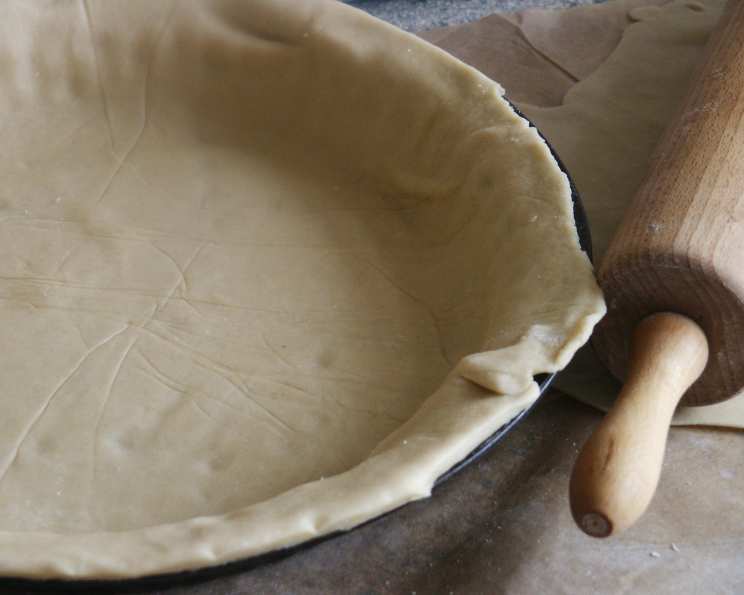
- Docking the Pastry: For certain applications where you don’t want the pastry to puff up too much (like a tart shell), use a fork to prick holes in the dough before baking. This releases steam and prevents excessive rising.
Serving & Storage Suggestions
Puff pastry is incredibly versatile and can be used in a variety of sweet and savory dishes. Serve it warm, straight from the oven, for the best texture.
- Serving: Use for pies, tarts, turnovers, palmiers, or even as a topping for casseroles.
- Storage: Unbaked puff pastry dough can be stored in the refrigerator for up to 2 days or in the freezer for up to 2 months. Wrap it tightly in plastic wrap to prevent freezer burn.
- Reheating: Baked puff pastry is best enjoyed fresh, but can be reheated in a moderate oven (around 350°F/175°C) for a few minutes to crisp it up.
Nutritional Information
Note: Nutritional information is an estimate and will vary depending on the specific butter used and the final application of the pastry.
| Nutrient | Amount per Serving (estimated) | % Daily Value (estimated) |
|---|---|---|
| Calories | 250 kcal | 13% |
| Total Fat | 18g | 28% |
| Saturated Fat | 12g | 60% |
| Cholesterol | 50mg | 17% |
| Sodium | 150mg | 7% |
| Total Carbohydrate | 18g | 6% |
| Dietary Fiber | 1g | 4% |
| Sugars | 0g | 0% |
| Protein | 3g | 6% |
Variations & Substitutions
- Vegan Puff Pastry: Substitute the butter with a high-quality vegan butter stick. Ensure it’s very cold and has a similar fat content to dairy butter for best results.
- Gluten-Free Puff Pastry: This is more challenging, but you can use a blend of gluten-free flours specifically designed for pastry. Be aware that the texture may be slightly different and require more careful handling.
- Flavor Variations: Experiment with adding herbs, spices, or even cheese to the dough for a unique flavor profile. For example, incorporate finely chopped rosemary and parmesan cheese for a savory pastry.
FAQs (Frequently Asked Questions)
Q: Why is my puff pastry not puffing up?
A: The most common reason is that the butter has melted into the dough. Make sure your ingredients are very cold, and that you are not overworking the dough. Chilling the dough adequately between turns is also essential.
Q: Can I use salted butter instead of unsalted?
A: While you can, it’s best to use unsalted butter so you have complete control over the salt content. If using salted butter, reduce the amount of salt added in the recipe.
Q: How do I know when the puff pastry is done baking?
A: The pastry should be golden brown and puffed up. The layers should be clearly visible.
Q: Can I make puff pastry ahead of time?
A: Yes! Unbaked puff pastry dough can be stored in the refrigerator for up to 2 days or in the freezer for up to 2 months.
Q: What if my dough tears while rolling?
A: This usually means the dough is too cold or hasn’t rested enough. Let it sit at room temperature for a few minutes to soften slightly before rolling again.
Final Thoughts
Creating your own puff pastry from scratch might seem daunting at first, but the result—light, airy layers that melt in your mouth—is well worth the effort. Embrace the process, pay attention to the details, and don’t be afraid to experiment. The satisfaction of biting into a perfectly flaky pastry that you’ve crafted with your own hands is truly unparalleled. So, roll up your sleeves, chill your butter, and prepare to embark on a culinary adventure that will elevate your baking skills to new heights. And please, share your creations and experiences. Nothing excites a chef more than seeing others enjoy the fruits of their culinary labor!