
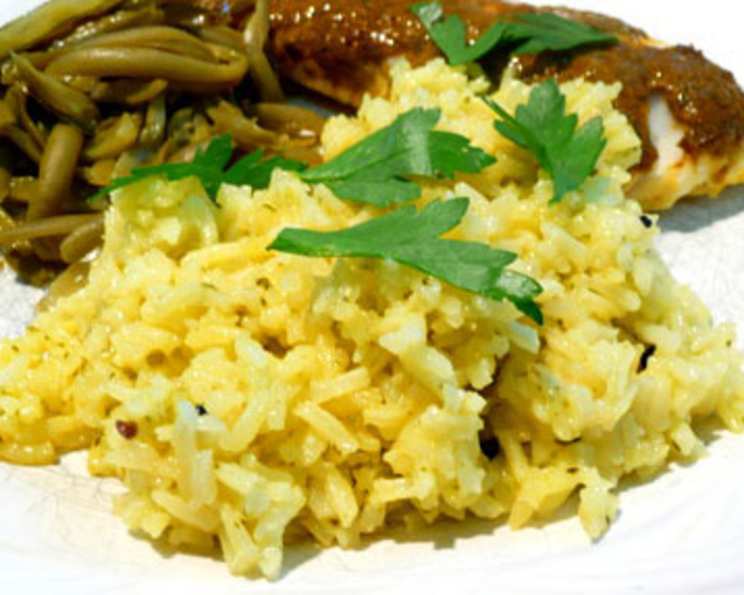
Aromatic Pulao: A Journey to Flavor
The scent of basmati rice, infused with cardamom and saffron, instantly transports me back to my grandmother’s kitchen. As a child, I’d perch on a stool, mesmerized as she deftly layered fragrant spices into the simmering pot. The anticipation was almost unbearable, the promise of a light yet deeply flavorful dish that was both comforting and celebratory. Every grain, perfectly separate and infused with the warm hues of saffron, was a testament to her loving touch and mastery of simple ingredients. Pulao was more than just rice; it was a memory woven into every bite.
Recipe Overview
- Prep Time: 10 minutes
- Cook Time: 25 minutes
- Total Time: 35 minutes
- Servings: 2-4
- Yield: Approximately 4 cups
- Dietary Type: Vegetarian, Gluten-Free (can be made Vegan by using oil)
Ingredients
- 1 cup basmati rice
- 1/4 teaspoon saffron thread
- 3 black peppercorns
- 2-3 cloves
- 2-3 cardamoms
- 2 teaspoons coriander leaves, chopped
- 2 tablespoons ghee (or oil for a vegan option)
- 1 1/2 cups water
- Salt to taste
Equipment Needed
- Heavy-bottomed pan with a tight-fitting lid
- Measuring cups and spoons
Instructions
- Begin by rinsing the basmati rice twice under cold running water. This helps remove excess starch and prevents the rice from becoming sticky during cooking.
- After rinsing, let the rice soak in fresh water for about 10 minutes. Soaking further contributes to fluffy, distinct grains.
- Place the saffron threads in a small bowl with 2 tablespoons of warm water. Allow them to steep while you prepare the other ingredients. This will extract the vibrant color and flavor of the saffron.
- Heat the ghee (or oil) in a heavy-bottomed pan over medium heat. The heavy bottom helps distribute heat evenly, preventing scorching.
- Add the cardamoms, cloves, and black peppercorns to the hot ghee. Cook, stirring constantly, for about 1 minute until fragrant. Be careful not to burn the spices; their aroma should fill the kitchen.
- Drain the soaked basmati rice thoroughly and add it to the pan with the spices.
- Stir-fry the rice for 3 minutes, ensuring that each grain is coated with the spiced ghee. This step is crucial for creating separate, flavorful grains.
- Add the salt to taste.
- Pour in the water and the saffron water (including the threads) into the rice mixture.
- Bring the mixture to a boil, then immediately reduce the heat to the lowest setting.
- Cover the pan tightly with a lid and let it simmer gently over low heat for 20 minutes, or until all the water has been absorbed and the rice is cooked through. Avoid lifting the lid during this time to ensure even steaming.
- Once the cooking time is complete, remove the pan from the heat and let it rest, covered, for an additional 5 minutes. This allows the rice to finish steaming and ensures perfect texture.
- Gently fluff the rice with a fork. This separates the grains and prevents them from clumping together.
- Garnish with the chopped coriander leaves.
- Transfer the pulao to a serving dish and serve hot.
Expert Tips & Tricks
- Rice Quality: Using high-quality aged basmati rice is essential for achieving the best results. Aged rice has a lower moisture content and cooks up fluffier.
- Soaking Time: While 10 minutes is sufficient, soaking the rice for up to 30 minutes can further improve its texture.
- Spice Level: Adjust the amount of cloves and peppercorns to your preference. For a milder flavor, use fewer spices.
- Even Cooking: Ensuring a tight-fitting lid is crucial for even steaming. If your lid isn’t completely sealed, you can place a clean kitchen towel between the pot and the lid to trap the steam.
- Don’t Overcook: Overcooked rice will be mushy. Keep a close eye on the water level and cooking time. If the rice seems to be drying out too quickly, add a tablespoon or two of hot water.
- Vegan Variation: Substituting the ghee with a good quality vegetable oil or coconut oil will make this dish suitable for vegans.
Serving & Storage Suggestions
Pulao is a versatile dish that can be served as a side or a light main course. It pairs beautifully with grilled meats, vegetable curries, or raita (yogurt dip). For a more elaborate presentation, garnish with toasted nuts, fried onions, or additional fresh herbs.
Leftover pulao can be stored in an airtight container in the refrigerator for up to 3 days. To reheat, sprinkle a little water over the rice and microwave for a minute or two, or gently steam it on the stovetop. Avoid leaving cooked rice at room temperature for more than 2 hours to prevent bacterial growth. Freezing is not generally recommended as it can alter the texture of the rice.
Nutritional Information
| Nutrient | Amount per Serving | % Daily Value |
|---|---|---|
| Calories | 342.9 kcal | – |
| Calories from Fat | 24 g | – |
| Total Fat | 2.7 g | 4% |
| Saturated Fat | 0.5 g | 2% |
| Cholesterol | 0 mg | 0% |
| Sodium | 6.6 mg | 0% |
| Total Carbohydrate | 71.6 g | 23% |
| Dietary Fiber | 3.3 g | 13% |
| Sugars | 0.8 g | – |
| Protein | 7.4 g | – |
Note: Nutritional information is an estimate and may vary based on specific ingredients and portion sizes.
Variations & Substitutions
- Vegetable Pulao: Add chopped vegetables such as peas, carrots, beans, or potatoes during the stir-frying stage for a more substantial and colorful dish.
- Nut Pulao: Incorporate cashews, almonds, or pistachios for added crunch and flavor. Toast the nuts before adding them for a more intense taste.
- Coconut Milk Pulao: Replace some or all of the water with coconut milk for a richer, creamier pulao with a hint of sweetness.
- Spice Variations: Experiment with different spices such as bay leaves, cinnamon sticks, or star anise to create unique flavor profiles.
- Herb Variations: Use different fresh herbs like mint, parsley, or cilantro instead of or in addition to coriander leaves.
- Brown Rice Pulao: For a healthier twist, use brown basmati rice. Note that brown rice requires longer cooking time and more water.
FAQs (Frequently Asked Questions)
Q: Why is it important to rinse the rice before cooking pulao?
A: Rinsing the rice removes excess starch, which can cause the rice to become sticky during cooking. Rinsing ensures that the grains remain separate and fluffy.
Q: Can I use regular long-grain rice instead of basmati rice?
A: While you can use other types of rice, basmati rice is preferred for pulao due to its delicate aroma, long grains, and ability to cook up light and fluffy.
Q: How do I prevent the rice from burning at the bottom of the pan?
A: Using a heavy-bottomed pan and cooking over low heat are essential for preventing burning. Also, ensure that the lid is tightly sealed to trap steam and prevent the rice from drying out.
Q: What if the rice is still hard after 20 minutes of simmering?
A: If the rice is still hard, add a few tablespoons of hot water to the pan, cover it tightly, and continue simmering for another 5-10 minutes, or until the rice is cooked through.
Q: Can I make pulao in a rice cooker?
A: Yes, you can adapt this recipe for a rice cooker. Follow the same steps, but add the ingredients to the rice cooker and use the appropriate water-to-rice ratio for your appliance.
Final Thoughts
Creating pulao is an act of love, a way to transform humble ingredients into a dish that nourishes both body and soul. With each fragrant grain, you’re not just preparing a meal; you’re crafting a memory, a connection to culinary traditions that have been passed down through generations. I encourage you to embrace the simplicity and elegance of this dish, to experiment with flavors and variations, and to share the joy of pulao with those you cherish. Let the aromas fill your kitchen and the flavors transport you to a place of warmth and comfort. And please, let me know how your pulao turns out! I’d love to hear about your experience and any personal touches you added to this timeless classic.