
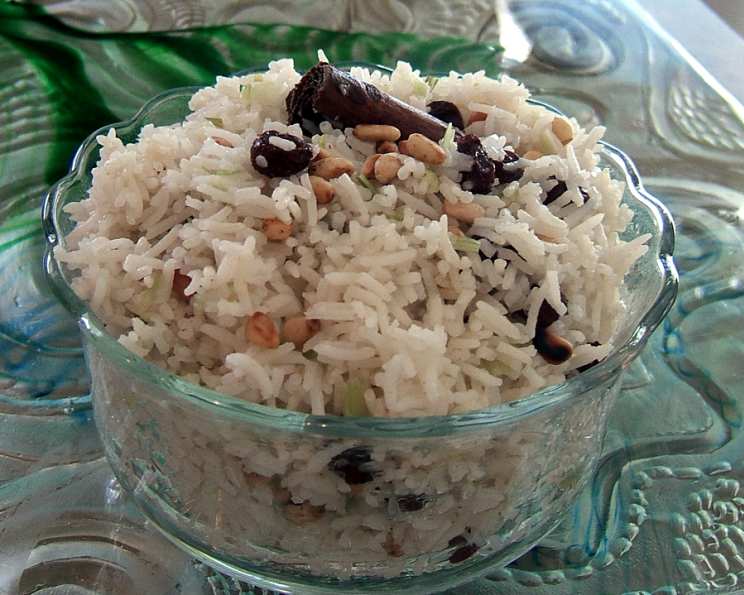
Pulau: Aromatic Nepalese Basmati Rice Dish
The first time I tasted Pulau, I was volunteering at a community kitchen, helping to prepare a massive feast for a local cultural festival. The air was thick with the aroma of spices, and amidst the bustle, this unassuming rice dish caught my attention. The golden raisins nestled among the fluffy grains, the subtle sweetness dancing with the savory spices – it was an unexpectedly delightful combination that has stayed with me ever since. Its simple elegance and heartwarming flavors always transport me back to that vibrant, bustling kitchen, a reminder of the power of food to connect us.
Recipe Overview
- Prep Time: 30 minutes
- Cook Time: 20 minutes
- Total Time: 50 minutes
- Servings: 6
- Dietary Type: Vegetarian, Gluten-Free
Ingredients
- 1 1/2 cups uncooked basmati rice
- 2 tablespoons vegetable oil
- 1 medium onion, peeled and finely chopped
- 2 cinnamon sticks (whole, approx 2 inches each)
- 2 whole cloves
- 1 bay leaf
- 4 ounces cashews (don’t need to be whole)
- 2 ounces sultanas (golden raisins)
- 1 teaspoon salt
Equipment Needed
- Large bowl
- Sieve or fine-mesh strainer
- Large skillet or pot with a tight-fitting lid
Instructions
- Begin by preparing the basmati rice. Place the rice in a large bowl and wash it thoroughly several times, until the water runs clear. This step removes excess starch and helps the rice cook up fluffy and separate.
- After washing, let the rice soak in fresh water for 30 minutes. Soaking allows the grains to hydrate, resulting in a more even and tender cook.
- Once the soaking time is complete, drain the rice very well in a sieve or fine-mesh strainer. Ensure as much excess water as possible is removed.
- Now, let’s build the aromatic base of the dish. Heat the vegetable oil in a large skillet or pot over medium-low heat.
- Add the finely chopped onion to the skillet and cook, stirring occasionally, until softened and translucent. This will typically take about 5-7 minutes. Be careful not to brown the onions; you want them to be soft and sweet, not caramelized.
- Add all the remaining ingredients, except the salt, to the pan: the drained basmati rice, cinnamon sticks, whole cloves, bay leaf, cashews, and golden raisins.
- Stir-fry the mixture for approximately 2 minutes over medium heat. This toasting process releases the fragrant oils from the spices and nuts, enhancing the overall flavor of the dish.
- Add 2 cups of water to the pan, along with the salt. Bring the mixture to a boil.
- Once boiling, cover the skillet or pot tightly with a lid and immediately reduce the heat to low.
- Simmer for 20 minutes, or until the rice is tender and fluffy, and all the water has been absorbed. It’s important to keep the lid on tightly during this stage to trap the steam and ensure even cooking. Check occasionally to see if you need to add additional water during cooking, if necessary, until rice is tender and fluffy and all the water is absorbed. If the rice seems to be drying out before it’s fully cooked, add a tablespoon or two of hot water at a time.
- Once the rice is cooked, remove the skillet from the heat and let it rest, covered, for about 5-10 minutes. This allows the steam to redistribute and helps prevent the rice from becoming sticky.
- Before serving, remove the bay leaf, cloves, and cinnamon sticks from the rice. These spices have imparted their flavor, but they are not meant to be eaten.
Expert Tips & Tricks
- Rice Quality: Using high-quality basmati rice is crucial for achieving the desired fluffy texture. Look for aged basmati rice, as it tends to cook up better.
- Toasting Spices: Don’t skip the step of toasting the spices and nuts in the oil. This intensifies their aroma and adds depth of flavor to the dish.
- Liquid Ratio: The 2:1 water-to-rice ratio is generally accurate for basmati rice, but you may need to adjust it slightly depending on your stove and cookware. Monitor the rice during cooking and add a little more water if it seems dry.
- Fluffing the Rice: After the rice has rested, gently fluff it with a fork to separate the grains and prevent clumping.
- Nut Variations: Feel free to experiment with different nuts, such as almonds, pistachios, or pecans.
Serving & Storage Suggestions
Pulau is a versatile dish that can be served as a side dish alongside grilled meats, curries, or vegetable dishes. It’s particularly delicious with Indian or Nepalese cuisine. For a more substantial meal, you can add cooked chicken, shrimp, or tofu to the rice.
Leftover Pulau can be stored in an airtight container in the refrigerator for up to 3 days. To reheat, simply microwave it with a splash of water or broth, or heat it in a skillet over low heat. You can also freeze Pulau for longer storage. Thaw it overnight in the refrigerator before reheating.
Nutritional Information
| Nutrient | Amount per Serving | % Daily Value |
|---|---|---|
| Calories | 358 kcal | N/A |
| Calories from Fat | 133 g | 37% |
| Total Fat | 14.9 g | 22% |
| Saturated Fat | 2.6 g | 13% |
| Cholesterol | 0 mg | 0% |
| Sodium | 515.6 mg | 21% |
| Total Carbohydrate | 51.6 g | 17% |
| Dietary Fiber | 3.1 g | 12% |
| Sugars | 7.7 g | 30% |
| Protein | 7.1 g | 14% |
Variations & Substitutions
- Vegan: This recipe is already vegetarian, but ensure your vegetable oil is plant-based for a fully vegan dish.
- Spicier Version: Add a pinch of red pepper flakes or a finely chopped green chili along with the onions for a touch of heat.
- Herbs: Fresh herbs like cilantro or parsley can be added after cooking for a burst of freshness.
- Vegetables: Incorporate other vegetables, such as peas, carrots, or green beans, for added nutrients and flavor. Add them to the pan along with the rice and spices.
- Broth: For a richer flavor, substitute the water with vegetable broth or chicken broth.
FAQs (Frequently Asked Questions)
Q: Can I use brown basmati rice instead of white?
A: Yes, you can, but you’ll need to adjust the cooking time and water ratio. Brown basmati rice typically requires more water and a longer cooking time than white rice.
Q: Can I make this dish ahead of time?
A: Absolutely! Pulau is a great make-ahead dish. You can cook it up to a day in advance and store it in the refrigerator. Reheat it gently before serving.
Q: What if I don’t have golden raisins?
A: You can substitute regular raisins or dried cranberries. The dried fruit adds a touch of sweetness and chewiness to the dish.
Q: How do I prevent the rice from sticking to the bottom of the pan?
A: Using a heavy-bottomed pot and keeping the heat low during simmering will help prevent sticking. Also, avoid stirring the rice too much during cooking, as this can release starch and make it sticky.
Q: Can I use ghee instead of vegetable oil?
A: Yes, ghee (clarified butter) adds a rich, nutty flavor to the dish.
Final Thoughts
This Pulau recipe is more than just a rice side dish; it’s a celebration of simple ingredients transformed into something truly special. The combination of aromatic spices, crunchy nuts, and sweet golden raisins creates a symphony of flavors that will delight your taste buds. I encourage you to try this recipe and experience the magic of Pulau for yourself. Don’t be afraid to experiment with different variations and make it your own. Share your creations and feedback, and let’s spread the joy of this heartwarming dish!