
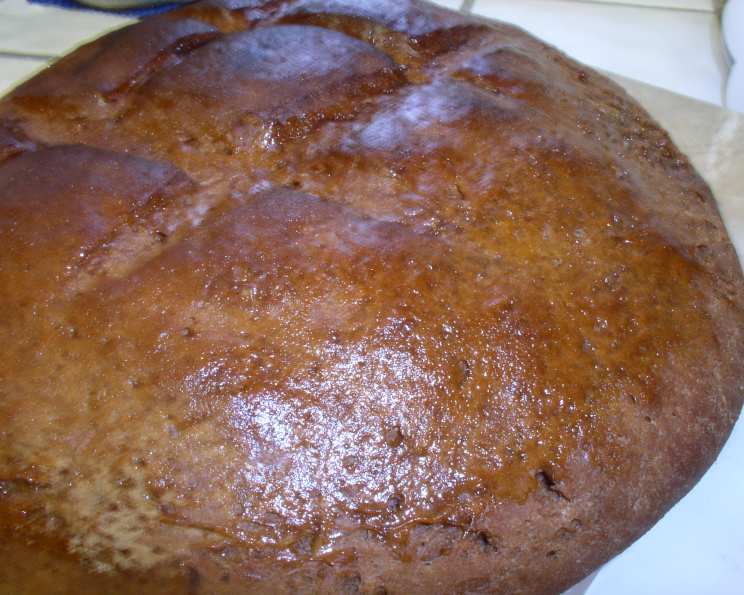
The Dark & Delicious Delight: Mastering Pumpernickel Bread
The scent of pumpernickel bread baking is a transportive experience. It takes me back to my grandmother’s cozy kitchen, where the aroma of molasses, rye, and a hint of cocoa would fill the air on cool autumn days. She’d slice it thick, slather it with cream cheese, and top it with thinly sliced smoked salmon. That simple, perfect bite remains etched in my memory, a testament to the magic of this humble, dark loaf. It’s more than just bread; it’s a taste of home, of warmth, and of tradition.
Recipe Overview
- Prep Time: 15 minutes
- Cook Time: 4 hours 15 minutes (including machine cycles)
- Total Time: 4 hours 30 minutes
- Servings: 12
- Yield: 1 loaf
- Dietary Type: Vegetarian (can be vegan if sugar is verified to be vegan)
Ingredients
- 1 1⁄4 cups tepid water
- 2 tablespoons canola oil
- 1⁄4 cup molasses
- 1 1⁄2 cups white bread flour
- 1⁄2 cup whole wheat flour
- 1 cup rye flour
- 4 teaspoons nonfat dry milk powder
- 2 tablespoons sugar
- 1 1⁄2 teaspoons salt
- 1⁄4 cup yellow cornmeal or 1/4 cup white cornmeal
- 3 tablespoons cocoa powder (I have used fat-free, non-caffeinated Ovaltine)
- 1⁄2 teaspoon instant decaffeinated coffee
- 2 teaspoons caraway seeds (optional)
- 2 teaspoons yeast (fast rise or bread yeast) or 3 teaspoons active dry yeast (fast rise or bread yeast)
Equipment Needed
- Bread machine
- Measuring cups and spoons
Instructions
-
Begin by adding all ingredients to your bread machine pan in the order recommended by the manufacturer’s instructions for your specific model. Typically, liquids go in first, followed by dry ingredients, with the yeast added last, often into a designated well.
-
Select the whole wheat cycle on your bread machine. This cycle is often longer and more suitable for heavier doughs like pumpernickel. However, if your machine doesn’t have a whole wheat cycle, you can also use the white bread cycle or even the delay cycle for overnight baking.
-
Once the cycle is selected, simply press start. The bread machine will handle the kneading, rising, and baking.
-
Monitor the dough during the initial kneading stage. If the dough appears too dry, add a tablespoon of water at a time until it forms a cohesive ball. If it appears too wet, add a tablespoon of flour at a time. The ideal consistency is slightly sticky but not overly wet.
-
Allow the bread machine to complete the entire cycle, including the baking phase. The total cycle time will vary depending on your machine and the cycle selected, but it will typically take around 4 hours.
-
Once the baking cycle is complete, carefully remove the bread pan from the machine using oven mitts. Be cautious as the pan will be hot.
-
Turn the pan upside down and gently shake to release the loaf. If the loaf is stuck, use a non-stick spatula to loosen the sides.
-
Place the freshly baked pumpernickel bread on a wire rack to cool completely. This is crucial for preventing a soggy bottom and allowing the flavors to fully develop.
Expert Tips & Tricks
- For an even deeper, richer flavor, try using blackstrap molasses instead of regular molasses. Be aware that blackstrap molasses has a more intense flavor, so you may want to start with a slightly smaller amount and adjust to taste.
- If you prefer a less pronounced coffee flavor, you can omit it altogether. However, the coffee enhances the chocolate notes from the cocoa powder and adds a subtle depth to the overall flavor profile.
- Don’t skip the cornmeal. It adds a subtle but important texture to the crust, giving it a pleasant chewiness. Either yellow or white cornmeal works well.
- If you don’t have nonfat dry milk powder, you can substitute it with an equal amount of regular milk powder.
- For a more intense caraway flavor, lightly toast the seeds in a dry pan before adding them to the dough. This will release their essential oils and enhance their aroma.
Serving & Storage Suggestions
Serve pumpernickel bread sliced and at room temperature. It’s fantastic on its own with a smear of butter, or as a base for open-faced sandwiches. Its robust flavor pairs beautifully with smoked meats, strong cheeses, and pickled vegetables.
For storage, wrap the cooled loaf tightly in plastic wrap or place it in an airtight container. It will keep at room temperature for up to 3 days. To extend its shelf life, store it in the refrigerator for up to a week. For longer storage, slice the bread and freeze it in a freezer-safe bag or container for up to 2 months. Thaw frozen slices at room temperature or toast them directly from frozen.
To reheat, lightly toast slices in a toaster or toaster oven. You can also wrap the entire loaf in foil and warm it in a preheated oven at 350°F (175°C) for about 15-20 minutes.
Nutritional Information
| Nutrient | Amount per Serving | % Daily Value |
|---|---|---|
| Calories | 170.2 kcal | N/A |
| Calories from Fat | 27 g | 16% |
| Total Fat | 3.1 g | 4% |
| Saturated Fat | 0.4 g | 1% |
| Cholesterol | 0.2 mg | 0% |
| Sodium | 300.4 mg | 12% |
| Total Carbohydrate | 32.7 g | 10% |
| Dietary Fiber | 2.8 g | 11% |
| Sugars | 6.6 g | 26% |
| Protein | 4.2 g | 8% |
Variations & Substitutions
- Spicier Pumpernickel: Add a pinch of cayenne pepper or a dash of hot sauce to the dough for a subtle kick.
- Seeded Pumpernickel: In addition to caraway seeds, try adding sunflower seeds, pumpkin seeds, or sesame seeds for added texture and flavor.
- Sweet Pumpernickel: Increase the amount of molasses or add a tablespoon of honey for a sweeter loaf.
- Gluten-Free Pumpernickel: While a true gluten-free pumpernickel is difficult to achieve, you can experiment with gluten-free flour blends designed for bread making. Be prepared to adjust the liquid content and baking time accordingly.
- Dutch-Style Pumpernickel: Substitute some of the rye flour with coarsely ground rye kernels (schrot) for a more rustic texture and intense rye flavor. This may require a longer soaking period for the kernels.
FAQs (Frequently Asked Questions)
Q: Can I make this recipe without a bread machine?
A: While this recipe is specifically designed for a bread machine, you can adapt it for traditional baking. You’ll need to knead the dough by hand or with a stand mixer, allow it to rise in a warm place, and bake it in a preheated oven.
Q: What if my bread machine doesn’t have a “whole wheat” cycle?
A: Use the “white bread” cycle or the “rapid bake” cycle as an alternative. Monitor the dough closely during the kneading and rising stages.
Q: Why is my pumpernickel bread so dense?
A: Pumpernickel bread is naturally dense due to the high proportion of rye flour. However, ensure you are using fresh yeast and measuring your ingredients accurately.
Q: Can I use active dry yeast instead of instant yeast?
A: Yes, you can use active dry yeast. However, you may need to proof it in warm water with a pinch of sugar for about 5-10 minutes before adding it to the other ingredients. Increase the amount of yeast to 3 teaspoons if using active dry yeast.
Q: What can I serve with pumpernickel bread?
A: Pumpernickel bread is incredibly versatile. It pairs well with soups, stews, cheeses, smoked meats, and pickled vegetables. It’s also delicious toasted and topped with avocado or cream cheese.
Final Thoughts
I hope this recipe inspires you to embark on your own pumpernickel bread-baking journey. Don’t be intimidated by its dark color and complex flavor; it’s a surprisingly simple bread to make, especially with the help of a bread machine. Share your freshly baked loaf with friends and family, and savor the unique taste and aroma of homemade pumpernickel. I’d love to hear your feedback and any variations you try – happy baking!