
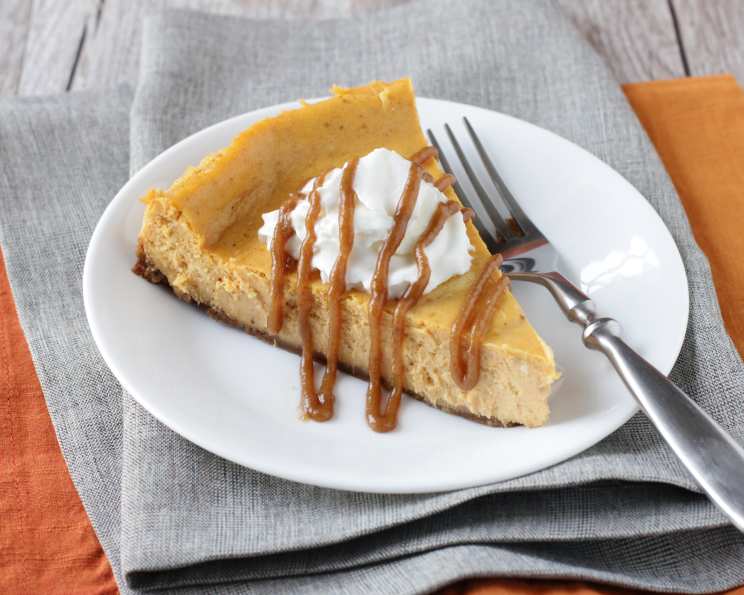
Pumpkin Cheesecake With Gluten-Free Gingersnap Crust
The scent of cinnamon and ginger always evokes a rush of childhood memories: frosty November afternoons spent decorating gingerbread houses with my grandmother. One year, my sister was diagnosed with celiac disease right before Thanksgiving, and the thought of her missing out on holiday desserts was unbearable. That’s when I discovered this pumpkin cheesecake recipe, a delightful twist on a classic that everyone—gluten-free or not—devoured with gusto. The warm spices, creamy filling, and the satisfying crunch of the gingersnap crust created a symphony of flavors that brought a smile to everyone’s face, especially my sister’s.
Recipe Overview
- Prep Time: 20 minutes
- Cook Time: 1 hour 5 minutes
- Total Time: 7 hours 25 minutes (includes chilling time)
- Servings: 12
- Yield: 1 cheesecake
- Dietary Type: Gluten-Free
Ingredients
For the Crust:
- 1 1/2 cups gingersnap crumbs, from Midel brand gluten-free gingersnaps
- 5 tablespoons unsalted butter, melted
- 1 tablespoon sugar
For the Filling:
- 3 (8 ounce) packages cream cheese, room temperature
- 1 cup sugar
- 1 cup canned pumpkin puree
- 3 large eggs
- 1 teaspoon vanilla extract (not imitation vanilla)
- 1/2 teaspoon ground cinnamon
- 1/8 teaspoon ground nutmeg
- 1/8 teaspoon ground allspice
- Pecan halves, for garnishing
Equipment Needed
- 9-inch diameter springform pan
- Aluminum foil
- 1-gallon plastic freezer bag
- Rolling pin
- Mixing bowl
- Food processor or heavy-duty mixer
- Rubber spatula
- Cooling rack
- Knife
Instructions
- Prepare the crust: Preheat your oven to 350 degrees F (175 degrees C). Wrap the outside of a 9-inch diameter springform pan with aluminum foil. This will prevent any drips during baking and ensure a clean oven.
- Crush the gingersnaps: Place the Midel brand gluten-free gingersnaps into a 1-gallon plastic freezer bag. Seal the bag tightly and use a rolling pin to crush the cookies into fine crumbs.
- Combine crust ingredients: Measure out 1 1/2 cups of the gingersnap crumbs. In a mixing bowl, combine the crumbs with 5 tablespoons of melted unsalted butter and 1 tablespoon of sugar. Stir until the mixture is evenly moistened.
- Press into pan: Press the gingersnap mixture firmly into the bottom of the prepared springform pan and about 2 inches up the sides. Ensure the crust is compact and even.
- Bake the crust: Bake the crust in the preheated oven for about 5 minutes, or until it is slightly darkened. This brief bake helps to set the crust and prevent it from becoming soggy. Remove the crust from the oven and set aside to cool slightly. Maintain the oven temperature at 350 degrees F (175 degrees C).
- Prepare the filling: In a food processor or a heavy-duty mixer, blend the room temperature cream cheese and 1 cup of sugar until the mixture is completely smooth. Cream cheese that is truly at room temperature will incorporate more easily and prevent lumps.
- Add pumpkin and spices: Add the 1 cup of canned pumpkin puree, 3 large eggs, 1 teaspoon of vanilla extract, 1/2 teaspoon of ground cinnamon, 1/8 teaspoon of ground nutmeg, and 1/8 teaspoon of ground allspice to the cream cheese mixture.
- Mix until smooth: Mix or process the filling until it is very smooth and homogenous. Scrape down the sides of the bowl or food processor frequently to ensure that all ingredients are fully incorporated. The smoother the filling, the creamier the final cheesecake will be.
- Pour into crust: Carefully pour the pumpkin cheesecake filling into the prepared gingersnap crust, spreading it evenly.
- Bake the cheesecake: Bake the cheesecake in the preheated oven for about 1 hour and 5 minutes. The cheesecake is done when the center is set (it shouldn’t slosh around at all when the pan is gently wiggled) and the edges begin to crack slightly.
- Cool: Turn off the oven and leave the cheesecake in the oven with the door slightly ajar for an hour. This allows the cheesecake to cool slowly, which helps prevent cracking. Remove the springform pan from the oven and place it on a cooling rack to cool completely.
- Chill: Chill the cheesecake uncovered in the refrigerator for at least 6 hours, or preferably overnight. This chilling period is essential for the cheesecake to fully set and develop its flavor.
- Release and garnish: Once the cheesecake is thoroughly chilled, run a knife around the inside edge of the springform pan to loosen the cheesecake from the sides. Carefully remove the sides of the pan.
- Decorate: Arrange pecan halves decoratively on top of the cheesecake for an elegant presentation.
Expert Tips & Tricks
- Room temperature cream cheese is crucial: Ensure your cream cheese is truly at room temperature before you begin. This will prevent lumps and ensure a smooth, creamy filling.
- Don’t overbake: Overbaking is the most common cause of cracked cheesecakes. Keep a close eye on the cheesecake during the last 15 minutes of baking.
- Water bath (optional): For an even more luxurious texture and to minimize cracks, consider baking the cheesecake in a water bath. Wrap the bottom of the springform pan tightly with heavy-duty foil (or use two layers). Place the wrapped pan in a larger roasting pan, then pour hot water into the roasting pan until it reaches about halfway up the sides of the springform pan. Bake as directed.
- Spice it up: Adjust the amount of cinnamon, nutmeg, and allspice to your personal preference. A pinch of ground cloves can also add a nice warmth.
Serving & Storage Suggestions
Serve the pumpkin cheesecake chilled, either plain or with a dollop of real whipped cream spiked with whiskey or rum for an extra touch of indulgence. You can also add a drizzle of caramel sauce or a sprinkle of chopped pecans.
Store leftover cheesecake in an airtight container in the refrigerator for up to 3-4 days. For longer storage, you can freeze the cheesecake. Wrap it tightly in plastic wrap and then in aluminum foil. Frozen cheesecake will keep for up to 2 months. Thaw it in the refrigerator overnight before serving.
Nutritional Information
| Nutrient | Amount per Serving | % Daily Value |
|---|---|---|
| Calories | 445 kcal | N/A |
| Total Fat | 28.2 g | 43% |
| Saturated Fat | 15.1 g | 75% |
| Cholesterol | 121.7 mg | 40% |
| Sodium | 359.5 mg | 14% |
| Total Carbohydrate | 42.7 g | 14% |
| Dietary Fiber | 0.7 g | 2% |
| Sugars | 25.4 g | N/A |
| Protein | 6.7 g | 13% |
Note: Nutritional information is an estimate and may vary based on specific ingredients and preparation methods.
Variations & Substitutions
- Dairy-Free Option: Substitute the cream cheese with a plant-based cream cheese alternative. Make sure to choose one that is firm and holds its shape well.
- Crust Variations: If you’re not gluten-free, you can use regular gingersnaps or even graham crackers for the crust. You can also add a tablespoon of cocoa powder to the crust for a chocolatey twist.
- Spice Level: Adjust the amount of spices to your preference. For a spicier cheesecake, add a pinch of cayenne pepper to the filling.
- Topping Ideas: Get creative with the toppings! Try a swirl of salted caramel, chocolate ganache, or a sprinkle of toasted nuts.
FAQs (Frequently Asked Questions)
Q: Can I make this cheesecake ahead of time?
A: Absolutely! In fact, it’s best to make it a day in advance to allow the flavors to fully develop and the cheesecake to set completely.
Q: Why is my cheesecake cracking?
A: Cracking is often caused by overbaking or rapid temperature changes. Be sure to follow the baking time closely and let the cheesecake cool slowly in the oven with the door ajar.
Q: Can I freeze this cheesecake?
A: Yes, you can freeze it for up to 2 months. Wrap it tightly in plastic wrap and then in aluminum foil to prevent freezer burn. Thaw in the refrigerator overnight before serving.
Q: Can I use a different type of cookie for the crust?
A: Yes, you can substitute other gluten-free cookies, such as shortbread or vanilla wafers. Adjust the amount of butter accordingly to achieve the right consistency.
Q: Do I need to use a springform pan?
A: A springform pan is highly recommended for easy removal of the cheesecake. However, if you don’t have one, you can use a regular pie dish lined with parchment paper, leaving an overhang to lift the cheesecake out after chilling.
Final Thoughts
This pumpkin cheesecake with its gluten-free gingersnap crust is more than just a dessert; it’s a celebration of flavors and textures, a reminder of warm memories, and a testament to the fact that everyone can enjoy a delicious treat, regardless of dietary restrictions. I encourage you to try this recipe and create your own memories with it. Feel free to experiment with the spices and toppings to make it your own signature dessert. And please, share your feedback and any variations you create! I think you’ll find that this cheesecake is the perfect centerpiece for any fall gathering, best enjoyed with a cup of hot cider and good company.