
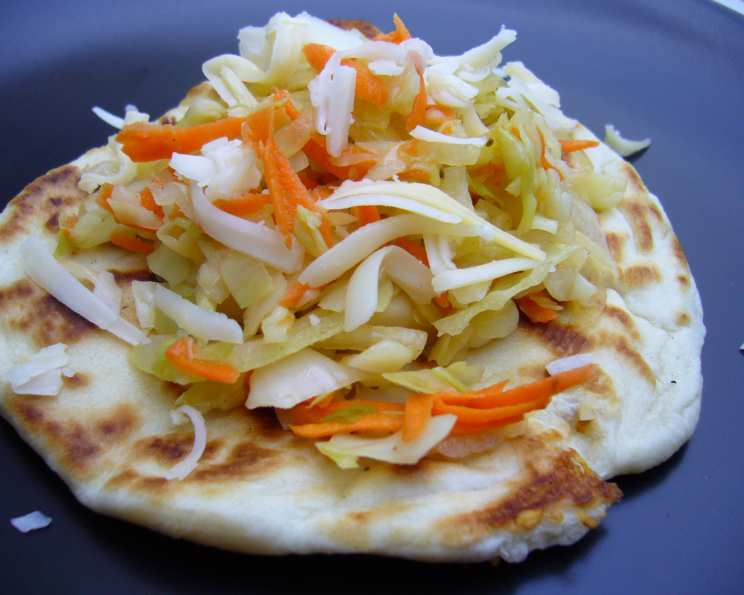
Pupusas: A Taste of El Salvador
The first time I tasted a pupusa, I was immediately transported. It was at a vibrant street fair, the air thick with the aroma of grilled meats and spices. The slightly charred, pillowy masa, bursting with melted cheese and savory pork, was unlike anything I’d ever had. Each bite was a perfect balance of textures and flavors, a comforting hug in the form of a handheld delight. I knew right then I had to learn the secrets of this simple yet extraordinary dish.
Recipe Overview
- Prep Time: 20 minutes
- Cook Time: 20 minutes
- Total Time: 40 minutes
- Servings: 6
- Dietary Type: Gluten-Free
Ingredients
- 4 cups masa harina
- 2 teaspoons salt
- 2 teaspoons baking powder
- 4 tablespoons shortening (not oil)
- 1 1/2 cups warm water
- 1/2 lb muenster cheese, shredded
Equipment Needed
- Large mixing bowl
- Pastry blender or fork
- Rolling pin
- Griddle or large frying pan
Instructions
-
In a large mixing bowl, combine the masa harina, salt, and baking powder. Whisk to ensure even distribution of the ingredients.
-
Using a pastry blender or fork, cut the shortening into the dry ingredients. The mixture should resemble coarse crumbs. This step is crucial for creating a tender and flaky pupusa. Make sure the shortening is well distributed, creating small pockets of fat that will steam during cooking.
-
Gradually add the warm water, a few drops at a time, while mixing with your hands. Continue adding water until a dough forms that is manageable and slightly sticky, but not overly wet. You may not need all 1 1/2 cups of water, so add it gradually and assess the dough’s consistency as you go.
-
Knead the dough on a lightly floured surface for about 15-20 times. This step helps develop the gluten in the masa harina, creating a smoother and more pliable dough. Over-kneading can make the pupusas tough, so stop as soon as the dough comes together.
-
Let the dough sit, covered, for 10 minutes. This allows the masa harina to fully absorb the water, resulting in a more cohesive and easier-to-work-with dough. This resting period is important for the final texture of the pupusa.
-
Form the dough into balls, each about the size of an egg. Aim for consistency in size to ensure even cooking.
-
On a lightly floured surface, roll out each dough ball until it is approximately 6 inches in diameter. You want the tortilla to be thin enough to cook through but sturdy enough to hold the filling.
-
Add a generous portion of the shredded muenster cheese to the top of one tortilla. Be careful not to overfill, as this can cause the pupusa to burst during cooking.
-
Carefully place another tortilla on top of the cheese-filled tortilla, creating a sealed pocket. Gently press the edges together to seal the pupusa. You can use your fingers to crimp the edges for a more secure seal.
-
Preheat a griddle or large frying pan over medium heat. It is important to have the griddle hot before you add the pupusas to ensure they cook evenly and develop a nice golden-brown crust. The griddle should be hot enough to sizzle when a drop of water is sprinkled on it.
-
Place the pupusa on the hot, ungreased griddle. Cook for approximately 2 minutes on each side, or until golden brown and cooked through. The cheese should be melted and gooey. Use a spatula to flip the pupusas carefully, avoiding any tearing.
-
Serve immediately, traditionally with curtido (El Salvadoran cabbage slaw) and salsa roja.
Expert Tips & Tricks
- Achieving the Perfect Dough: The consistency of the masa dough is key. If it’s too dry, the pupusas will crack. If it’s too wet, they will be difficult to handle. Adjust the amount of water accordingly, adding small amounts until the dough reaches the right consistency.
- Preventing Bursting: Overfilling the pupusas is a common mistake. Be mindful of the amount of filling you add.
- Consistent Cooking: A hot griddle is essential for even cooking. If the griddle is not hot enough, the pupusas will steam rather than sear, resulting in a pale and soggy crust.
- Experiment with fillings: While cheese is the most common filling, you can get creative with fillings like refried beans, chicharron (fried pork belly), or loroco (an edible flower native to Central America).
- Use a tortilla press: If you have a tortilla press, you can use it to flatten the dough instead of a rolling pin. This will give you more uniform and perfectly round pupusas.
- Keeping Pupusas Warm: If you’re making a large batch, keep the cooked pupusas warm in a low oven (around 200°F or 93°C) until ready to serve.
Serving & Storage Suggestions
Serve pupusas hot off the griddle for the best flavor and texture. The traditional accompaniments are curtido, a tangy cabbage slaw similar to sauerkraut, and salsa roja, a mild tomato-based salsa. Shredded cheese and sour cream are also common toppings.
Leftover pupusas can be stored in an airtight container in the refrigerator for up to 3 days. To reheat, warm them in a dry skillet over medium heat or in a preheated oven at 350°F (175°C) until heated through. Microwaving is not recommended, as it can make the pupusas soggy.
To freeze pupusas, wrap them individually in plastic wrap and then place them in a freezer bag. They can be stored in the freezer for up to 2 months. To reheat, thaw them completely in the refrigerator before warming in a skillet or oven.
Nutritional Information
| Nutrient | Amount per Serving | % Daily Value |
|---|---|---|
| Calories | 493 kcal | N/A |
| Total Fat | 22.8g | 35% |
| Saturated Fat | 9.8g | 48% |
| Cholesterol | 36.4mg | 12% |
| Sodium | 1139.6mg | 47% |
| Total Carbohydrate | 58.8g | 19% |
| Dietary Fiber | 4.9g | 19% |
| Sugars | 0.4g | 1% |
| Protein | 15.9g | 31% |
Note: Nutritional information is an estimate and may vary depending on specific ingredients and portion sizes.
Variations & Substitutions
- Vegan Pupusas: Substitute the muenster cheese with a vegan cheese alternative. You can also add cooked and seasoned vegetables like spinach, mushrooms, or zucchini to the filling.
- Different fillings: Experiment with different cheeses like Oaxaca or queso fresco. You can also add cooked and seasoned meats like shredded chicken, beef, or pork to the filling.
- Spicy Pupusas: Add chopped jalapenos or a pinch of cayenne pepper to the cheese filling for a spicy kick.
- Masa variations: Try using a blend of masa harina and sweet corn flour for a slightly sweeter pupusa.
FAQs (Frequently Asked Questions)
Q: Can I use regular flour instead of masa harina?
A: No, regular flour will not work in this recipe. Masa harina is specially treated corn flour that is essential for the unique texture and flavor of pupusas.
Q: Why is my dough cracking when I roll it out?
A: Your dough is likely too dry. Add a small amount of warm water, a teaspoon at a time, until the dough becomes more pliable.
Q: Can I make pupusas ahead of time?
A: Yes, you can prepare the dough and filling ahead of time. Store them separately in the refrigerator and assemble the pupusas just before cooking.
Q: What is curtido, and can I substitute it?
A: Curtido is a traditional El Salvadoran cabbage slaw. While authentic curtido is ideal, you can substitute it with sauerkraut, coleslaw, or even a simple shredded cabbage salad with vinegar dressing.
Q: My cheese is leaking out when I cook the pupusas. What am I doing wrong?
A: You may be overfilling the pupusas or not sealing the edges properly. Use less filling and ensure the edges are tightly sealed. Also, make sure your griddle is not too hot, as this can cause the cheese to melt too quickly and leak.
Final Thoughts
Pupusas are more than just a dish; they are a taste of El Salvador, a celebration of culture, and a testament to the power of simple ingredients. Don’t be intimidated by the process – with a little practice, you’ll be turning out perfect pupusas in no time. Gather your ingredients, roll up your sleeves, and prepare to embark on a culinary adventure that will transport you to the heart of Central America. Enjoy, and be sure to share your creations with friends and family!