
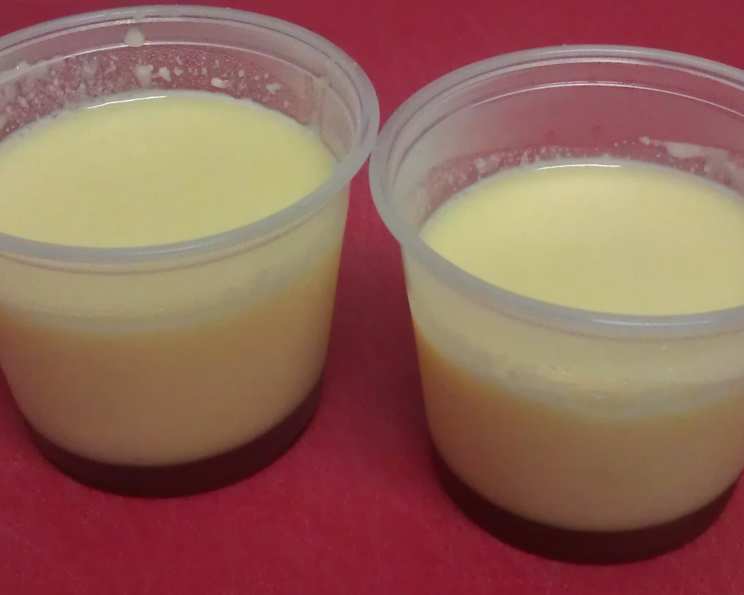
The Unbelievably Smooth and Simple Purin
I remember my first taste of purin like it was yesterday. It was at a small, family-run Japanese cafe tucked away on a quiet street. The sunlight streamed through the windows, illuminating dust motes dancing in the air, and the gentle clinking of ceramic filled the room. But the real magic happened when I took that first bite: the silky custard, the bittersweet caramel, the sheer perfection of textures and flavors melting together on my tongue. It was an experience that transcended the dish itself, transporting me to a place of pure comfort and joy. From that day on, I was determined to recreate that little piece of heaven in my own kitchen, and this recipe is as close as I’ve gotten to capturing that moment.
Recipe Overview:
- Prep Time: 20 minutes
- Cook Time: 15 minutes
- Total Time: 1 hour 35 minutes (including chilling time)
- Servings: 12
- Yields: 12 (1/3 cup) servings
- Dietary Type: Not specified
Ingredients:
For Caramel:
- 1 cup sugar
- 1/4 cup water
- 3/4 cup boiling water
For Flan:
- 1 3/4 cups whole milk
- 5 eggs
- 1 teaspoon vanilla
- 1/2 cup sugar
- 1 (1/4 ounce) package gelatin
- 1/4 cup water
Equipment Needed:
- 12 small heat-proof containers (ramekins or custard cups)
- Medium pot
- Glass or metal bowl
- Microwave
- Whisk
- Double boiler setup (pot for water and bowl that fits on top without touching the water)
- Sieve
- Optional: Ice bath setup
Instructions:
- Begin by preparing the gelatin. Stir the gelatin packet into 1/4 cup of water in a small bowl. Set it aside to bloom and soften.
- Prepare your serving vessels. Arrange 12 small heat-proof containers (ramekins or custard cups) on your workspace. If you plan to unmold the purin onto plates later, lightly grease the insides of the containers with a neutral oil. This step is optional; you can also enjoy them straight from the cups.
- Make the caramel. In a medium pot, combine 1 cup of sugar and 1/4 cup of water. Place the pot over high heat until the mixture begins to boil, then reduce the heat to medium.
- As the mixture cooks, swirl the pot occasionally to distribute the heat evenly. Be extremely careful as the sugar water may splatter.
- While the sugar mixture is cooking, have 3/4 cup of boiling water readily available.
- Continue cooking the sugar mixture until it turns an amber color (adjust to your preferred darkness).
- Once the caramel reaches the desired color, remove the pot from the heat and carefully tilt it away from you. Wearing an oven mitt for protection, slowly pour the 3/4 cup of boiling water into the pot. The mixture will vigorously bubble and steam.
- Gently swirl the pot to thoroughly mix the boiling water and caramel, ensuring that the sugar doesn’t seize or clump.
- Quickly pour a little over 1 tablespoon of caramel into the bottom of each prepared cup.
- Set up a double boiler. Fill a pot with water and bring it to a boil. Reduce the heat to a simmer (medium-low on most stovetops). Ensure the water level is high enough, but not so high that it touches the bottom of your glass or metal bowl when it rests on top.
- Optional: Prepare an ice bath in a separate container. This will help chill the custard mixture faster after cooking, but it’s not essential.
- In a glass or metal bowl, whisk together the 5 eggs, 1/2 cup of sugar, and 1 teaspoon of vanilla until the mixture is smooth and well combined.
- Heat 1 cup of milk in the microwave until it is almost boiling (scalded).
- While constantly stirring the egg mixture, slowly pour the scalded milk in a thin stream into the eggs. This process is called tempering and prevents the eggs from scrambling.
- Set aside 3/4 cup of milk.
- Place the bowl of custard mixture over the simmering water, ensuring it sits securely and doesn’t tilt.
- Add the gelatin mixture to the custard and stir gently (to minimize bubble formation) and constantly for fifteen minutes, or until the custard reaches a temperature of 170 degrees F (77 degrees C). You’ll notice the custard thickening slightly along the sides of the bowl.
- Check the texture of the custard to ensure it remains smooth. If it begins to curdle, it indicates the double boiler is too hot. Remove the bowl from the heat and briefly lower the heat under the pot of water to allow both to cool slightly.
- Once the cooking time is up or the desired temperature is reached, transfer the bowl of custard to the ice bath (if using) or a pot holder.
- As you did with the eggs, stir the remaining 3/4 cup of milk into the cooked custard mixture. Continue stirring until the custard has cooled slightly. The custard will still be fairly liquid at this stage.
- Pour the custard through a sieve into another bowl to remove any small curds that may have formed during cooking.
- Portion the custard into the prepared cups, filling each a little under 1/3 cup full.
- Let the purin cool to room temperature.
- If you want to minimize air bubbles, before refrigerating, gently tap or drop the filled cups lightly on the counter to release any trapped air bubbles that may have formed on the surface.
- Cover the cups and refrigerate them for at least one hour, or until set.
- To serve, enjoy the purin directly from the cup. Alternatively, dip the cup briefly in hot water or slide a thin knife around the edge of the container to loosen it. Then, invert the cup onto a serving plate to unmold the purin, revealing the beautiful caramel sauce.
Expert Tips & Tricks:
- For a firmer set: Reduce the amount of milk by 1/4 cup.
- Enhance the flavor: Add a pinch of salt to the caramel as it cooks to balance the sweetness.
- Prevent curdling: Constant stirring during the double boiler cooking process is key to preventing the custard from curdling. If curdling begins, immediately remove the bowl from the heat and reduce the heat of the water bath.
- Achieve perfectly smooth custard: Strain the custard mixture through a fine-mesh sieve to remove any lumps or imperfections.
- Caramel Color Control: The color of the caramel determines its flavor. Lighter caramel is sweeter, while darker caramel has a more intense, slightly bitter flavor. Adjust the cooking time to achieve your desired color.
- Substitutions: For a richer flavor, substitute one egg with two egg yolks. You can also use any combination of milk (including different milk-fats), evaporated milk, half-and-half, or cream.
Serving & Storage Suggestions:
Purin is best served chilled. To unmold, dip the cup in hot water for a few seconds or run a thin knife around the edge before inverting onto a plate. The caramel sauce will gracefully cascade over the custard.
Store leftover purin in the refrigerator, covered, for up to 3 days. Due to the gelatin content, it’s not recommended to freeze purin as the texture may change upon thawing. Purin should always be kept refrigerated and is not safe for consumption if left at room temperature for more than 2 hours.
Nutritional Information:
| Nutrient | Amount per Serving | % Daily Value |
|---|---|---|
| Calories | 151.2 kcal | N/A |
| Calories from Fat | 28 g | 19% |
| Total Fat | 3.1 g | 4% |
| Saturated Fat | 1.3 g | 6% |
| Cholesterol | 81.1 mg | 27% |
| Sodium | 47 mg | 1% |
| Total Carbohydrate | 26.9 g | 8% |
| Dietary Fiber | 0 g | 0% |
| Sugars | 26.9 g | 107% |
| Protein | 4.2 g | 8% |
Note: Percent Daily Values are based on a 2,000 calorie diet. Your daily values may be higher or lower depending on your calorie needs.
Variations & Substitutions:
- Liquor Infusion: Instead of 3/4 cup boiling water for the caramel, use 1/2 cup boiling water and 1/4 cup of your favorite liquor (such as rum, brandy, or coffee liqueur). Add the liquor after the sugar water mixture has cooled slightly to prevent the alcohol from evaporating.
- Flavor Extracts: Experiment with different flavor extracts in the custard, such as almond, coconut, or coffee.
- Milk Alternatives: While whole milk provides the richest flavor, you can use a combination of different milk fats, evaporated milk, half-and-half, or cream. Using skim milk is not recommended as it will result in a less flavorful and less creamy custard.
FAQs (Frequently Asked Questions):
Q: Can I bake this instead of using a double boiler?
A: This recipe is specifically designed to be a no-bake, no-steam version, relying on gelatin for setting. Baking it would require adjustments to the recipe.
Q: How do I prevent the caramel from burning?
A: Swirling the pot occasionally and keeping a close eye on the color is crucial. Remove the pot from the heat as soon as it reaches your desired amber color.
Q: My custard is too watery. What did I do wrong?
A: Ensure you cook the custard long enough in the double boiler until it reaches 170°F (77°C) and thickens slightly. Also, make sure you add the correct amount of gelatin.
Q: Can I use different types of milk?
A: Yes, you can use any combination of milk (including different milk-fats), evaporated milk, half&half, or cream. The fattier the milk, the richer the custard will be.
Q: How long does it take for the flan to set properly?
A: The flan needs at least an hour in the refrigerator to set properly, but it’s best to chill it for 2-3 hours for optimal texture.
Final Thoughts:
This purin recipe is a testament to the fact that simple ingredients, when combined with care and precision, can create something truly extraordinary. Don’t be intimidated by the double boiler – it’s a gentler, more forgiving method than baking, resulting in the silkiest, most delectable custard imaginable. I urge you to try this recipe and experience the magic of purin for yourself. Feel free to experiment with variations and make it your own! And please, share your creations and feedback – I’d love to hear about your purin adventures! Pair it with a cup of green tea or a light, fruity dessert wine for the perfect ending to any meal.