
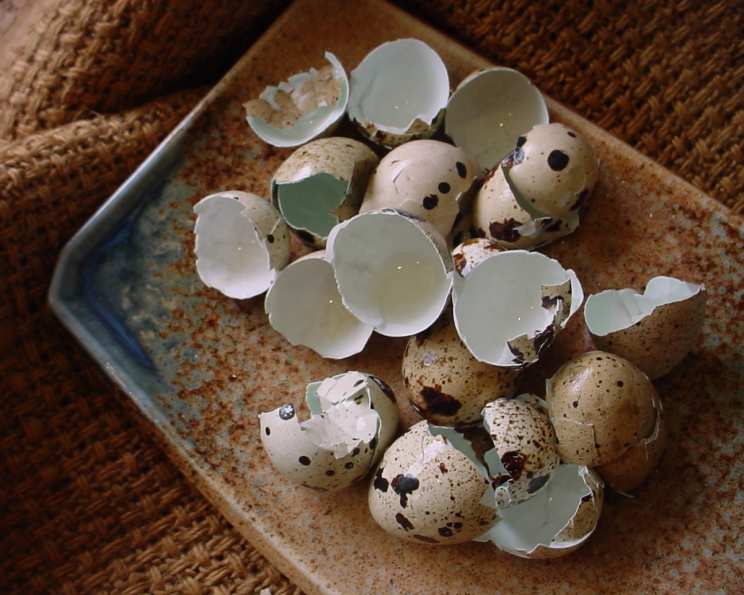
Quail Eggs With Celery Salt: A Taste of Spring
The memory is etched in my mind: a sun-drenched Easter picnic in the English countryside. As children, we’d scavenge for painted eggs hidden amongst the bluebells. But the real treasure wasn’t the chocolate-filled kind, but the tiny, speckled quail eggs that my grandmother would bring, nestled in a wicker basket. She’d carefully peel away half the shell, revealing the perfectly formed egg within, ready to be dipped into a small mound of fragrant celery salt. The salty, savory burst paired with the delicate egg was pure springtime magic, a tradition I cherish and am delighted to share.
Recipe Overview
- Prep Time: 5 minutes
- Cook Time: 5 minutes
- Total Time: 10 minutes
- Servings: 8
- Dietary Type: Gluten-Free, Dairy-Free
Ingredients
- 3 dozen quail eggs
- Celery salt
Equipment Needed
- Large pot
- Wire basket or strainer
Instructions
- Bring a large pot of water to a boil over moderately high heat. Make sure you use enough water to fully submerge the quail eggs.
- Place the quail eggs in a wire basket or strainer. This helps to easily lower and retrieve them from the boiling water without damaging their delicate shells.
- Lower the basket or strainer containing the quail eggs into the boiling water.
- Cook the eggs for exactly 5 minutes. This will give you a perfectly cooked yolk – firm but still slightly creamy.
- Immediately cool the eggs under running cold water to stop the cooking process. This prevents the yolks from turning green and makes them easier to peel.
- Pat the eggs dry with a paper towel. This step is important for serving them neatly, whether you choose to serve them peeled or partially peeled.
- Serve the quail eggs either in the shell or peeled, with a small bowl of celery salt alongside for dipping. If serving in the shell, gently crack the top of the egg and peel away about half of the shell, leaving the bottom half intact for easy dipping.
Expert Tips & Tricks
- Perfect Timing: Precise cooking time is key. Set a timer and stick to it. Even a minute or two can drastically change the yolk’s consistency. For a runnier yolk, reduce cooking time to 4 minutes.
- Easy Peeling: To make peeling easier, try cracking the eggs all over lightly before placing them under the running cold water. This allows water to seep under the shell, loosening it.
- Celery Salt Boost: For a more intense celery flavor, lightly toast the celery seeds before grinding them into salt. This will release their aromatic oils. You can also experiment with adding a pinch of onion powder or garlic powder to your celery salt blend for extra depth.
- Presentation is Key: Arrange the quail eggs artfully on a platter, perhaps nestled on a bed of fresh herbs. Garnish with a sprinkle of extra celery salt and a few sprigs of fresh parsley.
- Make Ahead: The boiled quail eggs can be cooked a day ahead and stored, unpeeled, in the refrigerator in a container filled with cold water. This makes entertaining much easier! Just be sure to change the water daily.
Serving & Storage Suggestions
Serve the quail eggs immediately after peeling or partially peeling to prevent them from drying out. The celery salt should be offered in a small bowl or ramekin for easy dipping.
Leftover cooked quail eggs, whether peeled or unpeeled, should be stored in an airtight container in the refrigerator. They will last for up to 3 days. It’s best to store them unpeeled to prevent them from becoming rubbery.
Reheating isn’t generally recommended for hard-boiled eggs as it can make them tough. However, you can gently warm them by placing them in a bowl of warm (not hot) water for a few minutes.
Nutritional Information
| Nutrient | Amount per Serving | % Daily Value |
|---|---|---|
| Calories | 50 kcal | 3% |
| Total Fat | 4g | 6% |
| Saturated Fat | 1g | 5% |
| Cholesterol | 75mg | 25% |
| Sodium | 50mg | 2% |
| Total Carbohydrate | 0g | 0% |
| Dietary Fiber | 0g | 0% |
| Sugars | 0g | 0% |
| Protein | 4g | 8% |
Note: Nutritional information is an estimate and can vary based on specific ingredients and preparation methods.
Variations & Substitutions
- Flavored Salt: Instead of celery salt, experiment with other flavored salts like smoked paprika salt, truffle salt, or even a simple sea salt with a grind of black pepper.
- Pickled Quail Eggs: For a tangy twist, pickle the cooked and peeled quail eggs in a brine of vinegar, sugar, and spices. This will add a delicious sour note to the dish.
- Spiced Quail Eggs: Add a pinch of cayenne pepper to the boiling water for a subtle heat infusion into the egg itself.
- Dipping Sauces: While celery salt is traditional, feel free to offer other dipping sauces like aioli, sriracha mayo, or a creamy herb dip.
- Deviled Quail Eggs: After boiling, peel and slice the eggs in half. Mix the yolks with mayonnaise, mustard, and your favorite seasonings to create miniature deviled eggs.
FAQs (Frequently Asked Questions)
Q: Are quail eggs safe to eat?
A: Yes, quail eggs are safe to eat when properly cooked. They are a good source of protein and other nutrients.
Q: Where can I find quail eggs?
A: Quail eggs can be found at specialty grocery stores, farmers’ markets, or Asian supermarkets.
Q: How do I know if my quail eggs are fresh?
A: Fresh quail eggs should have clean, uncracked shells. You can also perform a float test: place the egg in a bowl of water; if it sinks and lies flat, it’s fresh; if it floats, it’s best to discard it.
Q: Can I use regular chicken eggs instead of quail eggs?
A: While you can use chicken eggs, the presentation and delicate flavor will be different. Quail eggs offer a unique visual appeal and a more subtle taste.
Q: Can I hard boil quail eggs in an Instant Pot?
A: Yes, you can! Place the eggs on a trivet in the Instant Pot with 1 cup of water. Cook on high pressure for 5 minutes, followed by a 5-minute natural pressure release and then a quick release. Immediately transfer the eggs to an ice bath.
Final Thoughts
I hope this recipe inspires you to try these delicate and flavorful quail eggs with celery salt. It’s a simple yet elegant dish that is perfect as an appetizer, snack, or as part of a larger spread. Whether you’re enjoying them at a springtime picnic or as a sophisticated starter, these little eggs are sure to delight. Don’t be afraid to experiment with different seasonings and serving ideas to create your own unique version of this classic treat. And please, share your feedback and any exciting variations you come up with! Perhaps pair it with a crisp glass of Sauvignon Blanc to enhance the experience. Happy cooking!