
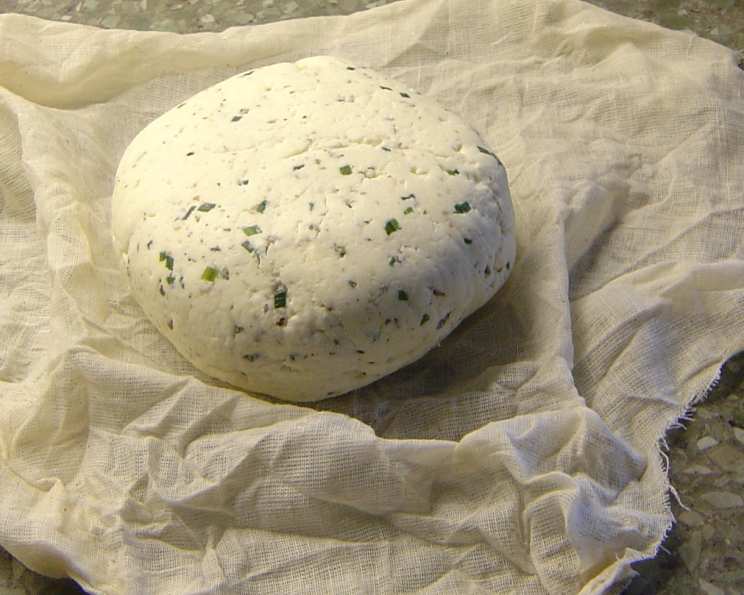
The Magic of Queso Blanco: A Simple Cheese with Endless Possibilities
I’ll never forget the first time I tasted true, homemade queso blanco. I was backpacking through Oaxaca, Mexico, and stumbled upon a small family farm. The matriarch, with her sun-weathered hands and a smile as warm as the afternoon sun, offered me a piece of freshly made cheese. It was subtly sweet, slightly salty, and had a satisfyingly firm texture. The way it browned in the pan, developing those beautifully crispy edges, was simply divine. It was a cheese experience unlike any other and sparked my lifelong passion for crafting simple, delicious cheeses at home.
Recipe Overview
- Prep Time: 15 minutes
- Cook Time: 30 minutes
- Total Time: 2 hours 5 minutes (includes draining time)
- Yield: 1-2 pounds
- Dietary Type: Vegetarian, Gluten-Free
Ingredients
- 1 gallon whole milk
- ¼ cup vinegar
Equipment Needed
- Large pot
- Thermometer
- Cheesecloth
- Colander
- String or twine (optional, for hanging)
- Plastic wrap (for storage)
Instructions
- Begin by pouring 1 gallon of whole milk into a large pot. Place the pot over a direct source of heat, such as a stovetop burner.
- Warm the milk to 180 degrees Fahrenheit (82 degrees Celsius). It’s crucial to monitor the temperature using a thermometer, as overheating can affect the cheese’s texture. Stir the milk frequently during this process. This prevents scorching, which can impart an unpleasant flavor.
- Maintain this temperature of 180°F for several minutes. This ensures that the milk is properly pasteurized and helps develop the cheese’s characteristic texture. Continue stirring gently.
- Now, the magic happens! Slowly add ¼ cup of vinegar to the heated milk. It’s important to add the vinegar gradually, allowing it to mix thoroughly with the milk. The vinegar acts as the acid that causes the milk proteins to coagulate, forming curds.
- Continue stirring gently until you observe the curds separating from the whey. The whey will appear as a clear, yellowish liquid. You may need to add slightly more vinegar if the separation isn’t complete, but avoid adding too much at once.
- Line a colander with several layers of cheesecloth. This creates a filter that will separate the curds from the whey.
- Carefully pour the curds and whey into the cheesecloth-lined colander.
- Gather the four corners of the cheesecloth and tie them into a knot. This creates a bag containing the curds.
- Hang the bag of curds to drain. You can hang it from a kitchen faucet, cabinet knob, or any other suitable support. Alternatively, you can simply place the colander in the refrigerator and let it drain there, although hanging allows for more efficient drainage.
- Allow the curds to drain for several hours. The longer they drain, the firmer the cheese will become. Ideally, drain until the bag of curds stops dripping. This usually takes at least 2 hours, but can take longer depending on the desired consistency.
- Once the curds have sufficiently drained, carefully remove the mass of curds from the cheesecloth. You should have a solid bag of curd.
- At this stage, the queso blanco is ready to be used. It can be diced into half-inch cubes, or prepared according to your preference.
- If you’re not using the cheese immediately, it can be wrapped in plastic wrap and stored in the refrigerator.
Expert Tips & Tricks
- Milk Matters: Using the freshest, highest-quality whole milk you can find will result in the best flavor and texture. Avoid ultra-pasteurized milk, as it may not curdle as well.
- Acid Alternatives: While vinegar is the most common acid used for queso blanco, you can also experiment with lemon juice or lime juice for a slightly different flavor profile.
- Salt it Right: For a saltier cheese, add a pinch of salt to the milk after it reaches 180°F, before adding the vinegar. You can also knead a small amount of salt into the cheese after it has drained.
- Pressing for Firmness: If you desire a firmer cheese, you can press the drained curds under a weight for a few hours. This will squeeze out even more whey and result in a denser texture. Place the wrapped cheese between two plates and weigh it down with a heavy object like a jar of water.
- Don’t Toss the Whey: The whey is a byproduct of cheesemaking and is packed with nutrients. It can be used in soups, smoothies, or even to water your plants!
Serving & Storage Suggestions
Queso blanco is incredibly versatile and can be served in numerous ways. Dice it and stir-fry it with vegetables for a quick and healthy meal. Add it to soups or sauces for a creamy, protein-rich boost. Its ability to hold its shape makes it perfect for grilling or deep-frying. It also browns beautifully in a skillet, developing a delightfully crispy exterior.
To store, wrap the queso blanco tightly in plastic wrap and refrigerate. It will keep for up to 1 week. Do not freeze, as this will alter the texture. It can be left at room temperature for no longer than two hours.
Nutritional Information
| Nutrient | Amount per Serving (approx. 4oz) | % Daily Value |
|---|---|---|
| Calories | 300 kcal | 15% |
| Total Fat | 24 g | 37% |
| Saturated Fat | 15 g | 75% |
| Cholesterol | 75 mg | 25% |
| Sodium | 100 mg | 4% |
| Total Carbohydrate | 5 g | 2% |
| Dietary Fiber | 0 g | 0% |
| Sugars | 5 g | N/A |
| Protein | 18 g | 36% |
Note: Nutritional information is an estimate and may vary based on specific ingredients and portion sizes.
Variations & Substitutions
- Spiced Queso Blanco: Add chopped jalapenos, cilantro, or other spices to the milk after heating for a flavorful twist.
- Herb Infusion: Infuse the milk with fresh herbs like thyme, rosemary, or oregano for a more aromatic cheese. Simply add the herbs to the milk while heating and remove them before adding the vinegar.
- Different Milk Types: While whole milk is traditional, you can experiment with other types of milk, such as goat’s milk or sheep’s milk, for a unique flavor. Keep in mind that different types of milk may require slightly different amounts of vinegar to curdle.
- Vegan Queso Blanco: While not traditional, you can create a vegan version using plant-based milk like soy milk or almond milk and a coagulant like lemon juice or apple cider vinegar. The texture will be different from traditional queso blanco.
FAQs (Frequently Asked Questions)
Q: Why isn’t my milk curdling properly?
A: This could be due to several factors, including using ultra-pasteurized milk, using old vinegar, or not heating the milk to a high enough temperature. Ensure you are using fresh whole milk, new vinegar, and a reliable thermometer to maintain the correct temperature.
Q: How can I make my queso blanco saltier?
A: You can add a pinch of salt to the milk while it’s heating, or knead a small amount of salt into the cheese after it has drained. Be careful not to add too much, as it’s difficult to remove salt once it’s added.
Q: Can I use this cheese in enchiladas?
A: Absolutely! Queso blanco is an excellent choice for enchiladas. Its firm texture and mild flavor complement the other ingredients perfectly.
Q: How long will the queso blanco keep in the refrigerator?
A: Properly stored, wrapped tightly in plastic wrap, your homemade queso blanco will last for up to one week in the refrigerator.
Q: Can I freeze this cheese?
A: Freezing is not recommended as it will significantly alter the texture of the cheese, making it crumbly and less enjoyable.
Final Thoughts
Making queso blanco at home is a surprisingly simple and rewarding experience. With just a few ingredients and a little patience, you can create a versatile and delicious cheese that will elevate your cooking. Don’t be afraid to experiment with different flavors and techniques to create your own unique version. Whether you’re stir-frying it with vegetables, adding it to soups, or simply enjoying it on its own, homemade queso blanco is sure to impress. I encourage you to give this recipe a try and share your creations and feedback! Pair your fresh queso blanco with some homemade salsa and crispy tortilla chips for an unforgettable snack. Enjoy the process!