
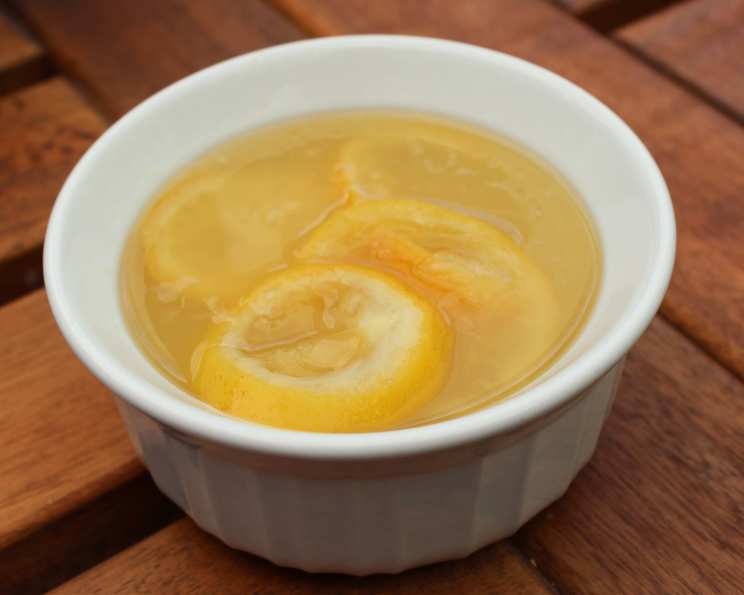
Quick Preserved Lemon: Sunshine in a Jar
I remember the first time I tasted preserved lemon. I was traveling through Morocco, and a local family invited me to share their tagine. That bright, intense, almost floral lemon flavor cut through the richness of the stew in a way I’d never experienced. It was a revelation! I spent the rest of my trip trying to learn the secrets of this culinary gem, only to discover that traditional methods take weeks, even months. Luckily, I’ve found a way to capture that same vibrant essence in a fraction of the time. This quick preserved lemon recipe is a game-changer – perfect for adding a burst of Mediterranean sunshine to any dish, and ready in just an hour.
Recipe Overview
- Prep Time: 5 minutes
- Cook Time: 10 minutes
- Total Time: 15 minutes
- Yields: About 12 slices
- Dietary Type: **Vegan, Gluten-Free, Paleo, Keto
Ingredients
- 1 large lemon, cut crosswise into 1/4-inch slices
- ½ cup fresh lemon juice
- 1 tablespoon coarse sea salt
Equipment Needed
- Small skillet
- Lid for skillet
Instructions
-
In a small skillet set over medium-high heat, combine the lemon slices, fresh lemon juice, and coarse sea salt. Stir well to dissolve the salt completely.
-
Once the mixture begins to simmer, cover the skillet, reduce the heat to low, and gently simmer until the lemon slices are nearly tender. The peel should appear translucent, which will take approximately 10 minutes. Monitor the pan closely to prevent the liquid from completely evaporating; if necessary, add a tablespoon or two of water.
-
Remove the skillet from the heat and allow the preserved lemon to cool completely. Once cooled, transfer to a clean jar or container and store in the refrigerator.
Expert Tips & Tricks
-
Lemon Selection: Choose lemons that are firm, have smooth skin, and are free from blemishes. Organic lemons are preferred, as you’ll be consuming the peel. Meyer lemons offer a slightly sweeter, less acidic flavor, which can be a delightful variation.
-
Salt Matters: Coarse sea salt is crucial for this recipe. It draws out moisture from the lemon and helps to preserve it. Table salt, with its iodine content, can impart an unpleasant flavor.
-
Peel Perfection: Don’t overcrowd the skillet. If the lemon slices are packed too tightly, they won’t cook evenly. Use a larger skillet if needed, or cook in batches.
-
Simmering Secrets: A gentle simmer is key. A rolling boil will toughen the lemon peel and cause the liquid to reduce too quickly.
-
The Translucency Test: The peel should become almost translucent, indicating that it’s sufficiently softened and preserved. It should be pliable and easy to pierce with a fork.
-
Boosting the Flavor: For a more complex flavor profile, consider adding a few black peppercorns, a bay leaf, or a sprig of thyme during the simmering process. Remember to remove these additions before storing.
-
Juice It Up: If you don’t have enough fresh lemon juice, you can supplement with bottled lemon juice, but fresh is always preferable for the brightest flavor.
Serving & Storage Suggestions
This quick preserved lemon is incredibly versatile. Here are a few ideas for serving and storing:
-
Serving:
- Tagines: Add a few chopped pieces to tagines or other slow-cooked stews for a burst of citrusy brightness.
- Salads: Finely dice the preserved lemon and add it to salads, especially those with Mediterranean or Middle Eastern flavors.
- Sauces: Incorporate into sauces for fish, chicken, or vegetables. It pairs particularly well with olive oil, garlic, and herbs.
- Dressings: Whisk into vinaigrettes for a zesty twist.
- Dips: Blend into hummus, baba ghanoush, or other dips for added complexity.
- Garnish: Use thinly sliced preserved lemon as a garnish for grilled fish or seafood.
- Cocktails: Muddle a small piece in cocktails for a unique citrus note.
-
Storage: Store the cooled preserved lemon in a clean, airtight container in the refrigerator. It will keep for up to one week. Ensure the lemon slices are submerged in the lemon juice to prevent spoilage. While this method doesn’t create the same long-lasting preservation as traditional methods, it allows you to enjoy preserved lemon’s unique flavor quickly.
Nutritional Information
Please note that this is an estimate and can vary based on specific ingredients.
| Nutrient | Amount per Serving | % Daily Value |
|---|---|---|
| Calories | 5 kcal | 0% |
| Total Fat | 0g | 0% |
| Saturated Fat | 0g | 0% |
| Cholesterol | 0mg | 0% |
| Sodium | 115mg | 5% |
| Total Carbohydrate | 1g | 0% |
| Dietary Fiber | 0g | 0% |
| Sugars | 0g | 0% |
| Protein | 0g | 0% |
Variations & Substitutions
- Spice It Up: Add a pinch of red pepper flakes or a sliver of chili pepper to the skillet for a spicy kick.
- Herb Infusion: Infuse the lemon juice with fresh herbs like rosemary, thyme, or oregano for an aromatic twist.
- Sweet Citrus: Use Meyer lemons instead of regular lemons for a sweeter, less acidic flavor.
- Lime Time: Substitute limes for lemons for a different citrus profile. This works particularly well in Mexican-inspired dishes.
- Garlic Boost: Add a clove or two of minced garlic to the skillet during simmering for a savory depth.
FAQs (Frequently Asked Questions)
Q: Why do I need to use coarse sea salt?
A: Coarse sea salt draws moisture out of the lemon slices more effectively than table salt, which is essential for the preservation process. Table salt also contains iodine, which can impart an unpleasant flavor.
Q: Can I use bottled lemon juice instead of fresh?
A: While you can substitute bottled lemon juice, fresh lemon juice will provide a brighter and more vibrant flavor. If using bottled juice, opt for a high-quality, pure lemon juice without any additives.
Q: How do I know when the lemon slices are done?
A: The lemon slices are done when the peel appears translucent and is easily pierced with a fork. They should be tender but not mushy.
Q: Can I use this preserved lemon in cocktails?
A: Absolutely! Finely chop or muddle a small piece of the preserved lemon into cocktails for a unique citrusy and salty flavor. It pairs well with gin, vodka, and tequila.
Q: How long will this quick preserved lemon last?
A: This quick method results in a shorter shelf life than traditional preserved lemons. It will keep in the refrigerator for up to one week in an airtight container.
Final Thoughts
This quick preserved lemon recipe is a fantastic way to add a burst of sunshine to your cooking without the weeks-long wait of traditional methods. It’s a simple yet impactful ingredient that can elevate a wide range of dishes. Don’t be afraid to experiment with different flavor combinations and serving suggestions. I encourage you to give it a try and let me know what amazing creations you come up with!