
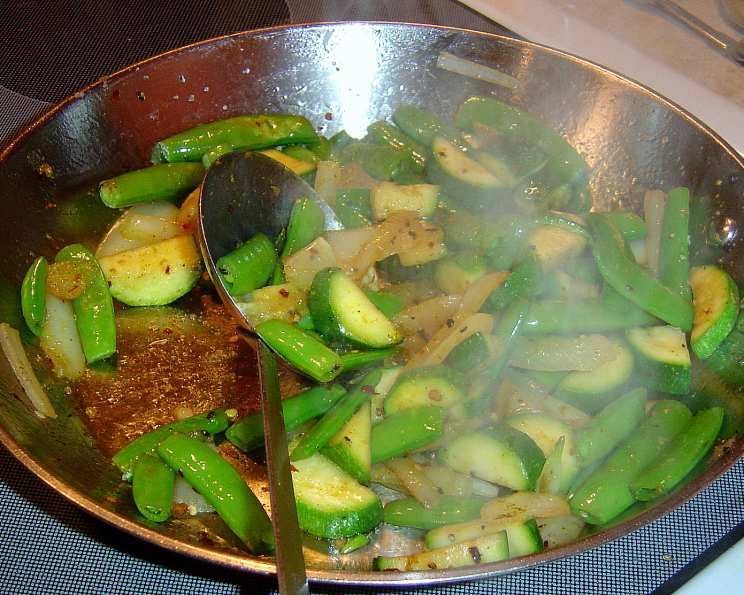
Quick Sautéed Curry Style Vegetables: A Symphony of Flavors in Minutes
My earliest memories of curry involve vibrant colors and intoxicating aromas wafting from my grandmother’s kitchen. She had a knack for transforming simple vegetables into flavorful masterpieces, and while her recipes were closely guarded secrets involving elaborate spice blends and simmering for hours, sometimes, even she craved a quick and satisfying alternative. This recipe captures that essence – the delicious warmth of curry, the satisfying crunch of perfectly cooked vegetables, all achieved in a fraction of the time. It’s a dish that speaks to busy weeknights and impromptu gatherings, a testament to the fact that incredible flavor doesn’t always require hours in the kitchen.
Recipe Overview
- Prep Time: 10 minutes
- Cook Time: 5 minutes
- Total Time: 15 minutes
- Servings: 3-4
- Dietary Type: Vegan
Ingredients
- 1 medium zucchini, chopped
- ½ white onion, chopped
- 1 cup snap pea pods, trimmed
- ½ red bell pepper, diced (optional)
- 1 pinch red pepper flakes
- Salt, to taste
- Black pepper, to taste
- ¼ teaspoon garlic powder
- ½ teaspoon curry powder (Malaysian, Indian, or Jamaican style)
- ¼ lemon
- 1-2 tablespoons olive oil
Equipment Needed
- Sauté pan
- Knife
- Cutting board
- Lemon squeezer (optional)
Instructions
- Begin by preparing your vegetables. Chop the zucchini into bite-sized pieces. Dice the white onion and, if using, the red bell pepper. Trim the ends of the snap pea pods. Having everything ready to go will ensure a quick and even cooking process.
- Heat 1-2 tablespoons of olive oil in a sauté pan over medium-high heat. Make sure the pan is adequately heated before adding the vegetables; a shimmering surface indicates readiness.
- Add the chopped onion to the hot oil. Season with salt and pepper. Sauté the onion, stirring occasionally, until it begins to soften and become translucent, approximately 2-3 minutes.
- Add the remaining vegetables – the chopped zucchini, snap pea pods, and diced red bell pepper (if using).
- Continue cooking over medium-high heat, stirring and tossing the vegetables frequently. The goal is to achieve a crisp-tender texture. This will take approximately 2-3 minutes, depending on the heat of your pan and the size of your vegetable pieces. Be careful not to overcook the vegetables; they should still have a slight bite.
- Just before the vegetables are done, add the red pepper flakes, garlic powder, and curry powder. Stir continuously to distribute the spices evenly and prevent them from scorching. Adding the spices towards the end preserves their aromatic intensity.
- Finish the dish with a squeeze of fresh lemon juice. The lemon juice will brighten the flavors and add a touch of acidity, balancing the richness of the spices.
- Serve immediately.
Expert Tips & Tricks
- Spice Level Adjustment: Adjust the amount of red pepper flakes to your liking. For a milder flavor, omit them altogether. For extra heat, add a pinch of cayenne pepper along with the curry powder.
- Vegetable Variety: Feel free to experiment with other vegetables, such as broccoli florets, chopped carrots, or sliced mushrooms. Adjust cooking times accordingly to ensure all vegetables are cooked to the desired crisp-tender texture.
- Curry Powder Selection: The type of curry powder you use will significantly impact the flavor of the dish. Malaysian curry powder tends to be more fragrant and slightly sweeter, while Indian curry powder is often spicier and more complex. Jamaican curry powder typically has a vibrant yellow color and a warm, earthy flavor. Choose the one that best suits your preferences.
- Avoiding Soggy Vegetables: To prevent the vegetables from becoming soggy, avoid overcrowding the pan. Cook in batches if necessary.
- Enhancing the Aroma: Toasting the curry powder in a dry pan for a minute or two before adding it to the vegetables can enhance its aroma and flavor. Be careful not to burn the spices.
Serving & Storage Suggestions
Serve the sautéed curry vegetables immediately as a side dish to grilled steak, baked fish, or roasted chicken. They also make a delicious addition to grain bowls or salads.
Leftovers can be stored in an airtight container in the refrigerator for up to 3 days. To reheat, sauté them briefly in a pan with a little olive oil or microwave until heated through. Reheating may slightly soften the vegetables, so avoid overcooking. Freezing is not recommended, as it can significantly alter the texture of the vegetables.
Nutritional Information
| Nutrient | Amount per Serving | % Daily Value |
|---|---|---|
| Calories | 71 kcal | 4% |
| Total Fat | 4.9g | 7% |
| Saturated Fat | 0.7g | 3% |
| Cholesterol | 0mg | 0% |
| Sodium | 7.4mg | 0% |
| Total Carbohydrate | 6.2g | 2% |
| Dietary Fiber | 1.8g | 7% |
| Sugars | 3.4g | 13% |
| Protein | 1.7g | 3% |
Note: Nutritional information is an estimate and may vary based on specific ingredients and portion sizes.
Variations & Substitutions
- Coconut Curry: Substitute olive oil with coconut oil for a richer flavor and aroma. You can also add a splash of coconut milk towards the end of cooking for a creamier texture.
- Spicier Version: Add a finely chopped jalapeño pepper along with the onion for an extra kick.
- Protein Boost: Add cooked chickpeas, lentils, or tofu to the vegetables for a more substantial meal.
- Seasonal Vegetables: Adapt the recipe to use seasonal vegetables. In the spring, try asparagus or fiddleheads. In the fall, use butternut squash or Brussels sprouts.
- Ginger and Garlic Infusion: Sauté minced ginger and garlic with the onion for a more complex flavor profile.
FAQs (Frequently Asked Questions)
Q: Can I use frozen vegetables in this recipe?
A: While fresh vegetables are preferred for their texture and flavor, frozen vegetables can be used in a pinch. Thaw them slightly before adding them to the pan to prevent them from releasing too much moisture.
Q: What if I don’t have curry powder?
A: If you don’t have curry powder on hand, you can create your own blend using turmeric, cumin, coriander, and ginger. Adjust the proportions to your liking.
Q: How can I prevent the vegetables from burning?
A: Keep the heat at medium-high and stir the vegetables frequently. If they start to burn, reduce the heat slightly and add a tablespoon of water or broth to the pan.
Q: Can I add meat to this dish?
A: Absolutely! Cooked chicken, shrimp, or beef can be added to the vegetables during the last few minutes of cooking.
Q: Is this recipe gluten-free?
A: Yes, this recipe is naturally gluten-free as long as you are using a pure curry powder blend without any added gluten-containing ingredients.
Final Thoughts
I hope this quick and easy sautéed curry vegetable recipe inspires you to experiment with flavors and create your own variations. Don’t be afraid to adapt the recipe to your liking and use whatever vegetables you have on hand. It’s a dish that’s perfect for a quick weeknight meal or a flavorful side dish. Feel free to share your creations and feedback – I’m always excited to see how others make this recipe their own! Consider pairing this with some fluffy basmati rice or quinoa for a complete and satisfying meal.