
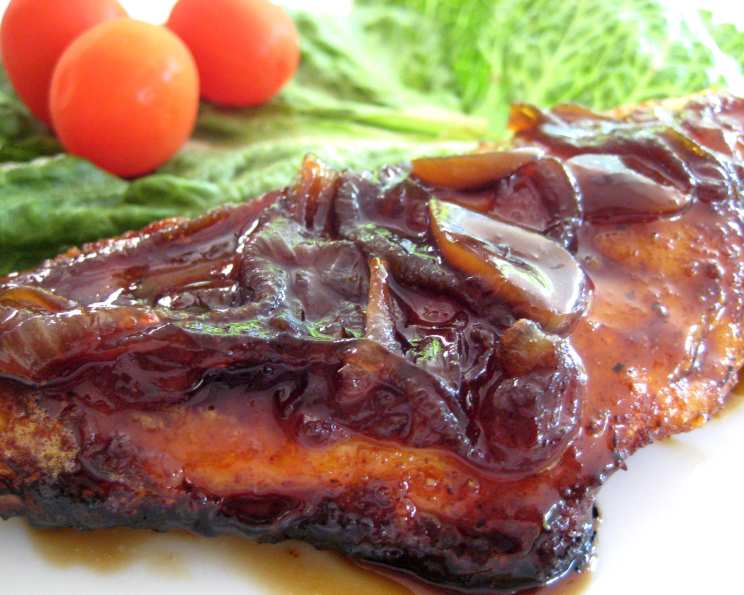
Quick Vietnamese Fish in Caramel Sauce
It was a tiny, bustling Vietnamese restaurant tucked away on a quiet side street. The air hung thick with the aroma of star anise, lemongrass, and something subtly sweet, yet savory. I remember being a broke culinary student, treating myself after a particularly grueling week. I ordered the “Ca Kho To,” a caramelized fish dish served in a clay pot. The first bite – the tender, flaky fish, the intensely flavored sauce clinging to every morsel, the slight heat from the pepper – transported me. It was a revelation, a perfect balance of sweet, salty, and umami that I’ve been chasing ever since. This recipe, though quicker than the traditional clay pot version, evokes that same feeling, a taste of Vietnam in every bite.
Recipe Overview
- Prep Time: 15 minutes
- Cook Time: 8 minutes
- Total Time: 23 minutes
- Servings: 4
- Dietary Type: Dairy-Free
Ingredients
- 1 1/2 tablespoons vegetable oil
- 1 3/4 lbs red snapper, skin on, cut into 2 1/4 inch pieces (or other mild white fish, such as catfish, skinless if using catfish)
- 1 onion, thinly sliced
- 3 garlic cloves, thinly sliced
- 1/4 cup dark soy sauce
- 1/2 cup firmly packed brown sugar
- 1/4 cup fish sauce
- 1 tablespoon fresh lime juice
- Freshly ground black pepper, to taste
Equipment Needed
- Large skillet or frying pan
Instructions
-
First, prepare the luscious caramel sauce. In a medium bowl, combine the dark soy sauce, brown sugar, and fish sauce. Whisk thoroughly until the brown sugar is mostly dissolved. Set this mixture aside; this is the heart of our flavor.
-
Now, let’s sear the fish. Heat 1 tablespoon of the vegetable oil in a large skillet over high heat. Make sure the pan is nice and hot before adding the fish to ensure a good sear.
-
Carefully place the red snapper pieces, skin side down (if using skin-on fillets), into the hot skillet. Cook for approximately 2 minutes, or until the skin is lightly browned and crispy. This initial sear adds a wonderful texture and depth of flavor to the fish.
-
Gently turn the fish pieces and cook for another minute. The fish should be partially cooked at this point, but don’t worry about cooking it all the way through, as it will continue to cook in the sauce. Remove the fish from the skillet and set aside.
-
Reduce the heat to medium and add the remaining 1/2 tablespoon of vegetable oil to the skillet.
-
Add the thinly sliced onion to the skillet and cook for about 2 minutes, or until softened and just beginning to brown. The onions should become translucent and release their natural sweetness.
-
Add the thinly sliced garlic to the skillet and cook for another minute, stirring constantly, until fragrant. Be careful not to burn the garlic, as it can become bitter.
-
Pour the soy sauce mixture (from Step 1) into the skillet and stir well, scraping up any browned bits from the bottom of the pan. This deglazing process adds even more flavor to the sauce.
-
Return the fish to the skillet, nestling it into the sauce. Cook for another 2-3 minutes, or until the sauce has thickened and become dark and syrupy. The fish should be cooked through and the sauce should be clinging to it beautifully.
-
Remove the skillet from the heat and stir in the fresh lime juice. The lime juice adds a bright acidity that balances the sweetness of the caramel sauce.
-
Season generously with freshly ground black pepper.
-
Serve immediately with steamed rice and your choice of vegetables. Sautéed greens, such as bok choy or gai lan, are particularly delicious with this dish.
Expert Tips & Tricks
- Fish Selection: While the recipe calls for red snapper, feel free to experiment with other types of mild white fish. Catfish, cod, tilapia, or even sea bass would all work well. If using catfish, I’d recommend going skinless.
- Caramel Sauce Consistency: The key to a perfect caramel sauce is patience. Allow the sauce to simmer gently until it thickens to the desired consistency. If it becomes too thick, add a tablespoon or two of water to thin it out.
- Browning the Fish: Don’t overcrowd the pan when searing the fish. Work in batches if necessary to ensure that each piece gets a nice, even sear.
- Make-Ahead Tip: The sauce can be prepared ahead of time and stored in the refrigerator for up to 2 days. Simply reheat it in the skillet before adding the fish.
Serving & Storage Suggestions
This Quick Vietnamese Fish in Caramel Sauce is best served hot and fresh, right out of the skillet. Spoon it generously over steamed rice and garnish with chopped fresh herbs, such as cilantro or green onions, for a pop of color and flavor.
Leftovers can be stored in an airtight container in the refrigerator for up to 2 days. To reheat, gently warm the fish in a skillet over low heat, or microwave it in short intervals until heated through. Be careful not to overcook the fish when reheating, as it can become dry. While freezing is possible, the texture of the fish may change slightly upon thawing.
Nutritional Information
| Nutrient | Amount per Serving | % Daily Value |
|---|---|---|
| Calories | 450 kcal | 23% |
| Total Fat | 15g | 23% |
| Saturated Fat | 3g | 15% |
| Cholesterol | 100mg | 33% |
| Sodium | 1500mg | 63% |
| Total Carbohydrate | 40g | 13% |
| Dietary Fiber | 2g | 8% |
| Sugars | 30g | – |
| Protein | 40g | 80% |
Note: Nutritional information is an estimate and may vary depending on specific ingredients and portion sizes.
Variations & Substitutions
- Spice it up: Add a pinch of red pepper flakes or a finely chopped chili pepper to the sauce for a touch of heat.
- Coconutty Twist: For a richer, more decadent sauce, replace half of the fish sauce with coconut aminos or coconut milk.
- Vegetarian Option: Substitute the fish with firm tofu or large mushrooms.
- Sweetness Level: Adjust the amount of brown sugar to your liking. If you prefer a less sweet sauce, start with 1/4 cup and add more to taste.
- Herbs: Experiment with different fresh herbs, such as Thai basil or mint, for a unique flavor profile.
FAQs (Frequently Asked Questions)
Q: Can I use a different type of fish?
A: Absolutely! The recipe works well with any mild white fish like cod, tilapia, or sea bass. Adjust cooking time as needed depending on the thickness of the fillets.
Q: What if I don’t have dark soy sauce?
A: Dark soy sauce is preferred for its color and richer flavor, but you can substitute with regular soy sauce. You might want to add a small amount of molasses for color.
Q: Can I make this dish ahead of time?
A: The sauce can be made a day or two in advance. However, it’s best to cook the fish just before serving to maintain its texture.
Q: Is there a substitute for fish sauce?
A: Fish sauce is a key ingredient, but if you need a substitute, try a combination of soy sauce and a small amount of seaweed flakes for umami flavor. Coconut aminos are a good vegan alternative.
Q: How do I prevent the sauce from burning?
A: Keep the heat at medium, stir frequently, and watch the sauce carefully as it thickens. If it starts to burn, immediately remove the pan from the heat.
Final Thoughts
I hope this recipe inspires you to create your own version of this classic Vietnamese dish. It’s a testament to how simple ingredients, combined with a bit of culinary know-how, can produce an explosion of flavor. Don’t be afraid to experiment and adjust the recipe to your own tastes. And remember, cooking is all about sharing, so gather your loved ones, prepare this Quick Vietnamese Fish in Caramel Sauce, and enjoy the journey together. Maybe pair it with a crisp Sauvignon Blanc to cut through the richness of the sauce. Bon appétit!