
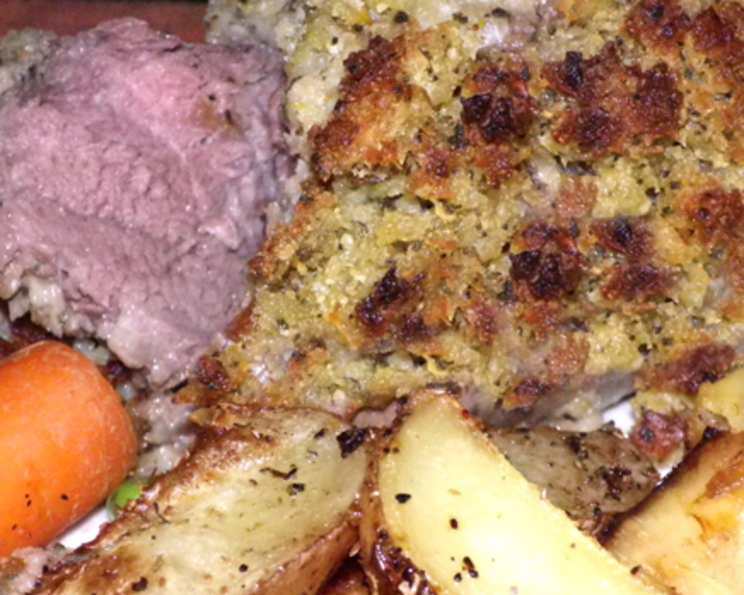
Rack of Lamb With Sage Crust: A Symphony of Flavors
The aroma still lingers in my memory: rosemary, garlic, and the subtle gaminess of lamb roasting in my grandmother’s old Aga. It was a Sunday tradition, and while she always made a simple roast, the sheer anticipation of those succulent slices was enough to make my heart sing. One year, I dared to suggest a sage crust, a bold move in her kitchen. She raised an eyebrow, but ultimately, the herbaceous aroma and the explosion of flavor won her over, and it became a cherished family variation. This recipe pays homage to those cherished Sundays and offers a sophisticated twist on a comforting classic.
Recipe Overview
- Prep Time: 20 minutes
- Cook Time: 15 minutes
- Total Time: 35 minutes
- Servings: 4
- Yield: 2 racks of lamb
- Dietary Type: High Protein
Ingredients
- 2 (1 – 1 1/4 lb) whole racks of lamb
- Kosher salt
- Black pepper, freshly ground
- 2 teaspoons vegetable oil
- 2 cups fresh breadcrumbs
- 3 tablespoons Parmesan cheese, finely grated
- 4 garlic cloves, minced
- 2⁄3 cup fresh sage leaf, chopped
- 1⁄4 cup olive oil
- 2 tablespoons Dijon mustard
- Balsamic vinegar
Equipment Needed
- Large cast-iron skillet
- Roasting pan with rack
- Aluminum foil
- Food processor
Instructions
-
Preheat your oven to 475°F (246°C). A high temperature is crucial for achieving a beautiful sear and a perfectly cooked interior.
-
Season the lamb generously with kosher salt and freshly ground black pepper. Don’t be shy with the seasoning; it’s the foundation of the flavor.
-
Place a large cast-iron skillet over high heat. The skillet needs to be screaming hot to get a proper sear. Once it’s very hot, add the 2 teaspoons of vegetable oil.
-
Carefully place one of the racks of lamb in the hot skillet. Sear it all over until it is very brown, about 2 minutes per side. A deep, rich sear is what we’re after—it adds incredible depth of flavor. Avoid overcrowding the pan; sear one rack at a time to ensure even browning.
-
Transfer the seared lamb rack to a roasting pan fitted with a rack, laying it rounded side up. Using a rack allows for even heat circulation and prevents the bottom from becoming soggy.
-
Repeat the searing process with the remaining rack of lamb.
-
Cover both racks loosely with aluminum foil and set aside. This will prevent the bones from burning during roasting.
-
Now, for the flavorful sage crust: Place the remaining ingredients – the 2 cups of fresh breadcrumbs, 3 tablespoons of finely grated Parmesan cheese, 4 minced garlic cloves, 2⁄3 cup of chopped fresh sage leaf, and 1⁄4 cup of olive oil – into a food processor.
-
Add 1/2 teaspoon of kosher salt and 1/4 teaspoon of black pepper to the food processor.
-
Process the ingredients until they form a vibrant green paste. The mixture should be cohesive enough to press onto the lamb. If it seems too dry, add a touch more olive oil.
-
Brush the racks of lamb with 2 tablespoons of Dijon mustard. This acts as a glue for the crust and adds a tangy bite.
-
Generously press the sage paste onto the mustard-coated racks of lamb, ensuring an even coating. Pack it firmly so it adheres well during roasting.
-
Roast the racks of lamb in the preheated oven until they reach your desired doneness. For medium-rare, which is what I recommend for maximum tenderness and flavor, roast for approximately 15 minutes.
-
Use a meat thermometer to ensure accuracy. Medium-rare is around 130-135°F (54-57°C). Remember that the internal temperature will continue to rise slightly as the meat rests.
-
Remove the lamb from the oven and allow it to rest for 5 minutes, covered loosely with foil. Resting allows the juices to redistribute, resulting in a more tender and flavorful final product.
-
Carve the racks of lamb into individual chops and serve immediately, drizzled with a touch of balsamic vinegar. The balsamic vinegar adds a delightful sweet and tangy counterpoint to the richness of the lamb and the herbaceousness of the sage.
Expert Tips & Tricks
- Breadcrumb Perfection: For the best crust, use homemade breadcrumbs from crustless day-old bread. Pulse them in the food processor until finely ground.
- Sage Selection: Fresh sage is essential for this recipe. Look for vibrant green leaves that are free from blemishes.
- Doneness Matters: Use a reliable meat thermometer to ensure your lamb is cooked to your liking. Remember that carryover cooking will raise the temperature a few degrees after you remove it from the oven.
- Make-Ahead Magic: The sage crust can be prepared a day in advance and stored in the refrigerator. This makes it easier to assemble the dish when you’re ready to cook.
- Bone Guard: To prevent the tips of the bones from burning, wrap them in small pieces of aluminum foil during the last few minutes of roasting.
Serving & Storage Suggestions
Serve the Rack of Lamb with Sage Crust immediately after carving for the best flavor and texture. It pairs beautifully with roasted vegetables like asparagus, potatoes, or Brussels sprouts. A side of creamy polenta or risotto is also a wonderful complement.
Leftovers can be stored in an airtight container in the refrigerator for up to 3 days. Reheat gently in a 300°F (150°C) oven until warmed through. Be careful not to overcook the lamb during reheating. You can also enjoy leftover lamb cold in sandwiches or salads.
Nutritional Information
| Nutrient | Amount per Serving | % Daily Value |
|---|---|---|
| Calories | 583 kcal | N/A |
| Total Fat | 55g | 85% |
| Saturated Fat | 20g | 100% |
| Cholesterol | 94mg | 31% |
| Sodium | 315mg | 13% |
| Total Carbohydrate | 20g | 7% |
| Dietary Fiber | 1g | 4% |
| Sugars | 2g | N/A |
| Protein | 22g | 44% |
Note: Nutritional information is an estimate and may vary based on specific ingredients and preparation methods.
Variations & Substitutions
- Herb Variations: If you’re not a fan of sage, try using rosemary, thyme, or a combination of herbs in the crust.
- Gluten-Free Option: Use gluten-free breadcrumbs for a gluten-free version of this dish.
- Cheese Swap: Pecorino Romano can be substituted for Parmesan cheese for a sharper, saltier flavor.
- Spice It Up: Add a pinch of red pepper flakes to the sage crust for a touch of heat.
- Mint Garnish: Serve with a sprig of fresh mint for a refreshing contrast to the richness of the lamb.
FAQs (Frequently Asked Questions)
Q: Can I use dried sage instead of fresh?
A: While fresh sage is highly recommended for the best flavor, you can substitute with dried sage. Use about 2 tablespoons of dried sage for every 2/3 cup of fresh sage.
Q: How do I ensure the lamb is cooked evenly?
A: Using a roasting rack in the pan allows for even heat circulation around the lamb. Also, searing the lamb before roasting helps to create a consistent crust.
Q: Can I prepare the lamb ahead of time?
A: You can prepare the sage crust a day in advance and store it in the refrigerator. You can also sear the lamb ahead of time, but wait to apply the crust until just before roasting.
Q: What temperature should the lamb be for medium-rare?
A: For medium-rare, the internal temperature should be between 130-135°F (54-57°C). Use a meat thermometer to ensure accuracy.
Q: Can I use a different cut of lamb?
A: While this recipe is specifically designed for rack of lamb, you could potentially adapt it for other cuts, such as a lamb loin roast. However, cooking times may need to be adjusted.
Final Thoughts
This Rack of Lamb with Sage Crust is more than just a meal; it’s an experience. The aromatic sage, the crisp crust, and the tender, juicy lamb come together in perfect harmony. I encourage you to try this recipe and create your own cherished memories. Don’t be afraid to experiment with variations and make it your own. And please, share your creations and feedback—I’d love to hear how it turns out! Serve it with a robust red wine like a Cabernet Sauvignon or a Merlot for a truly unforgettable culinary experience.