
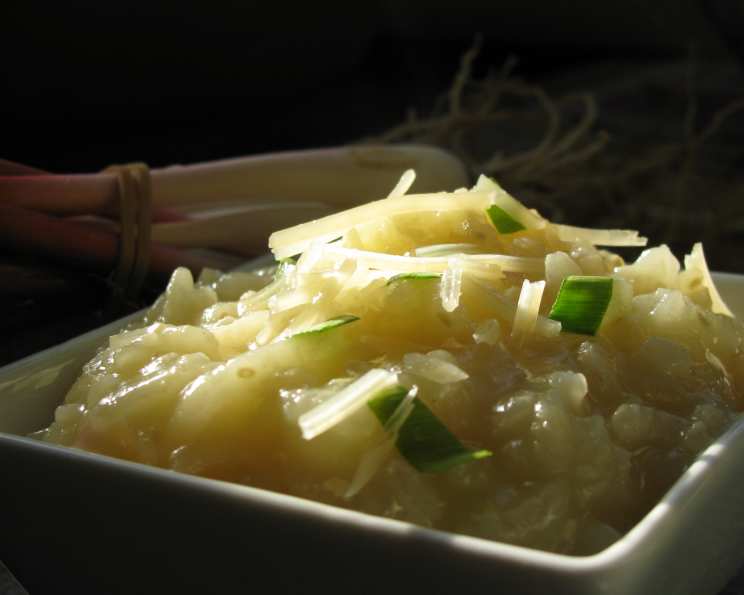
Ramp Risotto: A Springtime Celebration
The first bite of ramp risotto always transports me back to a small, family-run restaurant nestled in the Catskills. It was early spring, the air still carried a hint of winter’s chill, but the promise of renewal was palpable. The chef, a gruff but kind woman named Maria, would forage for ramps in the nearby woods, their garlicky aroma filling the kitchen as she prepped them. Her risotto, creamy and vibrant green, was a testament to the season’s fleeting bounty, a reminder that the most exquisite flavors often come from the simplest, freshest ingredients.
Recipe Overview
- Prep Time: 15 minutes
- Cook Time: 25 minutes
- Total Time: 40 minutes
- Servings: 4
- Yield: 4 servings
- Dietary Type: Vegetarian (can be vegan with modifications)
Ingredients
- 4 tablespoons extra virgin olive oil
- Ramps (approximately 1 bunch)
- 1 small shallot, finely chopped
- 1 pinch red pepper flakes
- 1 cup arborio rice
- ½ cup dry white wine
- 4 cups chicken broth, kept simmering in a separate pot on the stove (vegetable broth may be substituted)
- 1 tablespoon unsalted butter (may be substituted with vegan butter)
- 2 tablespoons grated Parmesan cheese (nutritional yeast may be substituted)
- Kosher salt, to taste
- Olive oil, for drizzling
Equipment Needed
- Wide, heavy-bottom saucepan
- Sharp knife
- Cutting board
- Ladle
Instructions
-
In a wide, heavy-bottom saucepan, heat 3 tablespoons of olive oil over medium-high heat. The oil should shimmer, but not smoke.
-
Prepare the ramps. Finely chop both the ramp greens and stalks, keeping them separate. Reserve the greens for later. The stalks are more robust and benefit from early cooking, while the greens retain their bright color and flavor best when added towards the end.
-
Add the finely chopped shallot and ramp stalks to the saucepan. Sprinkle in a pinch of red pepper flakes for a subtle warmth. Stir frequently until the shallot is translucent and fragrant, about 2 minutes. Be careful not to brown the shallot, as this will impart a bitter taste to the risotto.
-
Add the arborio rice to the pot and cook over medium heat for 2 minutes, stirring constantly to coat the rice with the oil. This process, called toasting the rice, helps to release starches and contribute to the creamy texture of the final dish. The rice grains should become slightly translucent around the edges.
-
Pour in ¼ cup of the dry white wine and boil until almost completely absorbed. Stir frequently, scraping up any bits that may be stuck to the bottom of the pan. The wine adds acidity and depth of flavor to the risotto. Don’t worry if a little liquid remains on top of the rice; that’s perfectly fine.
-
Begin adding the simmering chicken broth, ¼ to ½ cup at a time, stirring the rice constantly until almost all of the liquid is absorbed before adding more. This is the key to achieving the signature creamy texture of risotto. Continuous stirring releases the starches from the rice, creating a naturally thick and luscious sauce.
-
After adding about 2 cups of the chicken stock, add the remaining ¼ cup of stock, the remaining white wine, and the remaining tablespoon of olive oil. Continue stirring.
-
Add the reserved ramp greens and more stock as needed. Continue cooking and stirring until the risotto looks creamy but the rice is still al dente – firm to the bite. This should take about 18 to 22 minutes total cooking time. The grains should hold their shape but yield easily when bitten.
-
Remove the saucepan from the heat and let the risotto stand for about 30 seconds. This allows the starches to further develop and the flavors to meld.
-
Before serving, drizzle the risotto with a touch of olive oil. Stir in the butter and grated Parmesan cheese until well combined. The butter adds richness and the Parmesan cheese adds a salty, savory note.
-
Season with kosher salt to taste. Remember that the broth and Parmesan cheese are already salty, so season cautiously.
Expert Tips & Tricks
- Warm the broth: Keeping the broth at a simmer ensures it doesn’t cool down the rice when added, maintaining a consistent cooking temperature.
- Don’t overcrowd the pan: Use a wide pan to allow for even evaporation and prevent the rice from steaming instead of simmering.
- Taste often: The best way to ensure the risotto is cooked to perfection is to taste it frequently throughout the cooking process.
- Vegan variation: For a vegan ramp risotto, substitute vegetable broth for chicken broth, vegan butter for dairy butter, and nutritional yeast for Parmesan cheese.
- Ramp preparation: Ramps can be sandy, so be sure to wash them thoroughly before chopping.
Serving & Storage Suggestions
Serve the ramp risotto immediately after cooking for the best texture and flavor. Garnish with a sprinkle of fresh Parmesan cheese, a drizzle of olive oil, and a few extra ramp greens, if desired.
Leftover risotto can be stored in an airtight container in the refrigerator for up to 3 days. To reheat, add a splash of broth or water to the risotto and microwave on low power, stirring occasionally, until heated through. You can also reheat it gently in a saucepan over low heat. The texture may be slightly softer after reheating, but the flavor will still be delicious. Risotto does not freeze well.
Nutritional Information
| Nutrient | Amount per Serving | % Daily Value |
|---|---|---|
| Calories | 400 kcal | 20% |
| Total Fat | 19g | 29% |
| Saturated Fat | 5g | 25% |
| Cholesterol | 10mg | 3% |
| Sodium | 805mg | 34% |
| Total Carbohydrate | 42g | 14% |
| Dietary Fiber | 1g | 4% |
| Sugars | 1g | 2% |
| Protein | 9g | 18% |
Nutritional information is an estimate and may vary based on specific ingredients and portion sizes.
Variations & Substitutions
- Mushroom Risotto: Add sautéed mushrooms along with the ramp stalks for a richer, earthier flavor.
- Lemon Risotto: Zest a lemon into the risotto during the last few minutes of cooking for a bright, citrusy twist.
- Asparagus Risotto: Substitute chopped asparagus for the ramp greens for a different spring vegetable.
- Seafood Risotto: Add cooked shrimp or scallops to the risotto during the last few minutes of cooking for a more substantial meal.
- Cheese Variations: Try using different cheeses such as Pecorino Romano or Asiago.
FAQs (Frequently Asked Questions)
Q: What are ramps, and where can I find them?
A: Ramps are wild onions with a garlicky, oniony flavor that are typically available in the spring. Look for them at farmers’ markets, specialty grocery stores, or forage for them yourself (with proper guidance and permits).
Q: Can I use a different type of rice for risotto?
A: While arborio rice is the most traditional choice, other short-grain rice varieties like Carnaroli or Vialone Nano can also be used. Long-grain rice will not work, as it does not release enough starch to create the creamy texture characteristic of risotto.
Q: How do I know when the risotto is done?
A: The risotto is done when the rice is cooked al dente – firm to the bite but not crunchy – and the texture is creamy and slightly loose. It should not be soupy or dry.
Q: Can I make risotto ahead of time?
A: While risotto is best served fresh, you can cook it until it’s slightly underdone, then spread it out on a baking sheet to cool quickly. When ready to serve, reheat with a little broth until creamy and heated through.
Q: What can I serve with ramp risotto?
A: Ramp risotto pairs well with grilled chicken, fish, or vegetables. It can also be served as a side dish or as a vegetarian main course. A crisp white wine like Pinot Grigio or Sauvignon Blanc complements the flavors of the risotto beautifully.
Final Thoughts
Ramp risotto is more than just a recipe; it’s a celebration of spring, a tribute to fresh, seasonal ingredients, and a reminder of the simple pleasures in life. I encourage you to seek out these flavorful wild onions and give this recipe a try. Don’t be afraid to experiment with variations and make it your own. And most importantly, savor every bite of this creamy, garlicky delight. This is a perfect dish to share with friends and family, accompanied by a glass of wine and good conversation. Enjoy!