
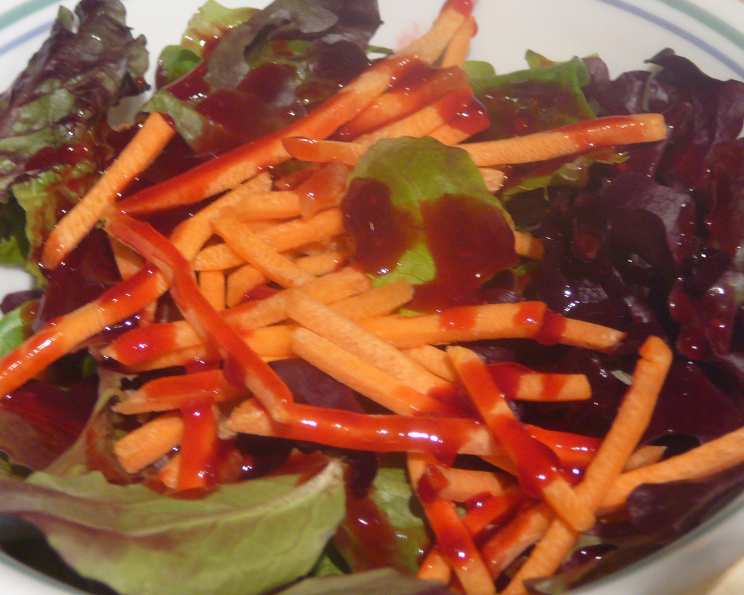
Raspberry Red Wine Vinegar: A Taste of Summer in Every Drop
My grandmother, bless her heart, was a stickler for homemade salad dressings. Store-bought was simply not an option in her kitchen. I remember summers spent at her house, the air thick with the scent of sun-ripened raspberries from her garden. She’d always have a batch of raspberry red wine vinegar bubbling away on the stove, its fruity aroma mingling with the smell of freshly baked bread. That tangy, sweet, vibrant vinegar wasn’t just a dressing; it was a taste of sunshine, a reminder of family, and a love letter to the simple pleasures of summer.
Recipe Overview
- Prep Time: 5 minutes
- Cook Time: 5 minutes
- Total Time: 25 minutes (plus overnight chilling)
- Yield: 2 1/4 cups
- Serves: Varies
- Dietary Type: Vegan, Gluten-Free, Dairy-Free
Ingredients
- 2 cups fresh raspberries (or frozen)
- ¾ cup red wine vinegar
- ¾ cup white wine vinegar
- ½ cup sugar
Equipment Needed
- Medium stainless steel saucepan
- Fine-mesh sieve
- Glass jar with tight-fitting lid
- Stick blender (optional, for salad dressing)
- 2 cup glass measuring cup (optional, for salad dressing)
Instructions
-
In a medium stainless steel saucepan, combine the raspberries, red wine vinegar, white wine vinegar, and sugar. Stainless steel is best to avoid any reactions with the acidity of the vinegar.
-
Place the saucepan over high heat and bring the mixture to a boil. Watch closely to prevent it from boiling over.
-
Once boiling, reduce the heat to medium-low. The mixture should be at a gentle simmer. Cover the saucepan and allow it to simmer for 5 minutes. This short simmering time helps the raspberries release their flavor and the sugar to dissolve completely.
-
Remove the saucepan from the heat and allow the liquid to cool completely at room temperature.
-
Once cooled, chill the mixture in the refrigerator overnight. This chilling period allows the flavors to fully meld and deepen. Don’t skip this step – it makes a big difference!
-
The next day, strain the chilled liquid through a fine-mesh sieve. Use a spoon or spatula to gently press the raspberry pulp against the sieve to extract as much liquid as possible.
-
Discard the raspberry pulp. It has given all it has to offer!
-
Pour the strained raspberry red wine vinegar into a clean glass jar with a tight-fitting lid. This will help preserve its flavor and prevent spoilage.
-
Chill the vinegar until ready to use.
-
Here is a recipe for my family’s favorite salad dressing: In a 2 cup glass measuring cup, add 1/2 cup of oil, 1/4 cup raspberry vinegar, 1/4 cup white sugar, 1/4 cup ketchup, and 1 tbsp steak sauce. Blend with a stick blender. This makes a sweet dressing.
Expert Tips & Tricks
- Raspberry Quality: Use the ripest, most flavorful raspberries you can find, whether fresh or frozen. If using frozen, thaw them slightly before cooking.
- Vinegar Choice: The combination of red and white wine vinegar provides a balanced acidity. Feel free to experiment with different ratios to suit your taste. You can also use a high-quality champagne vinegar for a more delicate flavor.
- Sugar Adjustment: Adjust the amount of sugar according to the sweetness of your raspberries and your personal preference. Start with less and add more to taste after the simmering stage.
- Straining Thoroughly: Don’t be afraid to really press on the raspberry pulp during straining. You want to extract every last drop of that flavorful liquid. Line the sieve with cheesecloth for an even clearer vinegar.
- Pasteurization: For longer storage, you can pasteurize the vinegar after straining. Heat it gently in a saucepan to 160°F (71°C) for 1 minute, then cool and store.
- Flavor Infusion: Add fresh herbs during the simmering stage (like thyme or mint) for an extra layer of flavor. Remove the herbs before straining.
- Troubleshooting: If your vinegar is too tart, add a little more sugar. If it’s too sweet, add a splash of red wine vinegar.
Serving & Storage Suggestions
This raspberry red wine vinegar is incredibly versatile. Of course, it’s fantastic in salad dressings, especially when paired with a good quality olive oil and a touch of honey or Dijon mustard. It can also be used as a marinade for chicken or pork, adding a beautiful tangy sweetness. Drizzle it over grilled vegetables, use it to deglaze a pan after searing meat, or even add a splash to sparkling water for a refreshing drink.
Store the raspberry red wine vinegar in the refrigerator in a tightly sealed glass jar. It will keep for several months, and the flavor may even improve over time. It is best consumed within 6 months for optimal flavour. Since this is a homemade product with fruit content, proper refrigeration is key to prevent spoilage.
Nutritional Information
(Estimated per tablespoon, based on recipe)
| Nutrient | Amount per Serving | % Daily Value |
|---|---|---|
| Calories | 15 kcal | 1% |
| Total Fat | 0g | 0% |
| Saturated Fat | 0g | 0% |
| Cholesterol | 0mg | 0% |
| Sodium | 0mg | 0% |
| Total Carbohydrate | 4g | 1% |
| Dietary Fiber | 0.2g | 1% |
| Sugars | 4g | |
| Protein | 0g | 0% |
Variations & Substitutions
- Other Berries: Experiment with different berries like blackberries, blueberries, or strawberries. Each will impart its unique flavor profile to the vinegar.
- Herbal Infusions: Add sprigs of fresh herbs like thyme, rosemary, or mint during the simmering process for an extra layer of flavor.
- Spice Infusions: Include a cinnamon stick, star anise, or a few cloves during simmering for a warm, spiced vinegar.
- Honey instead of Sugar: Substitute honey for sugar for a more natural sweetener and a slightly different flavor profile.
- Different Vinegars: While red and white wine vinegar are classic choices, try using apple cider vinegar for a slightly sweeter and less acidic vinegar.
FAQs (Frequently Asked Questions)
Q: Can I use frozen raspberries instead of fresh?
A: Yes, frozen raspberries work perfectly well. Thaw them slightly before using.
Q: How long will this raspberry red wine vinegar last?
A: Stored properly in the refrigerator, it should last for several months, but is best consumed within 6 months for optimal flavour.
Q: Do I need to sterilize the jar before storing the vinegar?
A: While not strictly necessary, sterilizing the jar is always a good practice to prevent any potential contamination.
Q: Can I skip the chilling step after simmering?
A: It’s best not to skip the chilling step. It allows the flavors to fully develop and meld together.
Q: What if I don’t have a fine-mesh sieve?
A: You can use a regular sieve lined with cheesecloth to strain the vinegar. This will help remove any small particles and give you a clearer final product.
Final Thoughts
I hope you’ll give this raspberry red wine vinegar recipe a try. It’s a simple yet incredibly rewarding project that will add a touch of summer sunshine to your kitchen all year round. Imagine drizzling it over a fresh summer salad, the vibrant flavors dancing on your tongue. Don’t be afraid to experiment and make it your own – that’s the beauty of homemade! And when you do, please share your creations and feedback – I’d love to hear how it turns out. Perhaps pair it with a grilled salmon or a vibrant spinach salad with toasted pecans and goat cheese. Enjoy the journey!