
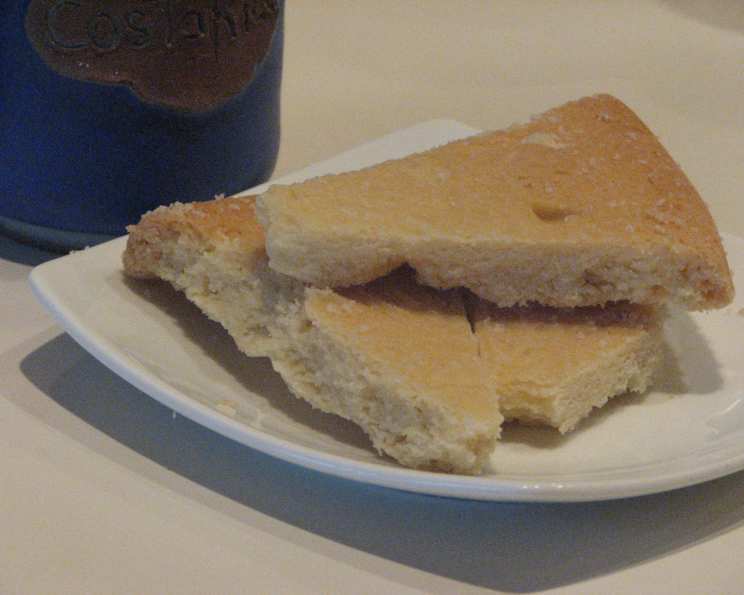
Real Scottish Shortbread: A Taste of Tradition
I remember the scent of it more than anything – the delicate, buttery aroma that would waft from my grandmother’s kitchen whenever we visited. She’d always have a tin of shortbread at the ready, a simple yet deeply comforting treat. It wasn’t the flashy, mass-produced stuff you find in stores; this was the real deal, made with love and a generations-old recipe, each bite a little piece of Scotland itself.
Recipe Overview
- Prep Time: 15 minutes
- Cook Time: 15-20 minutes
- Total Time: 1 hour (includes chilling)
- Servings: 24
- Yield: 24 squares
- Dietary Type: Vegetarian
Ingredients
- ½ cup cornstarch
- ½ cup icing sugar
- 1 cup all-purpose flour
- ¾ cup (1 1/2 sticks) unsalted butter, softened
Equipment Needed
- 9×9 inch baking pan
- Measuring cups and spoons
- Sifter
- Mixing bowl
- Plastic wrap
Instructions
- Begin by sifting together the cornstarch, icing sugar, and flour into a mixing bowl. Sifting is crucial for creating a light and tender crumb.
- Add the softened butter to the dry ingredients. Using your fingertips or a pastry blender, blend the butter into the mixture until it resembles coarse crumbs.
- Now, using your hands, knead the mixture into a soft, cohesive dough. Be gentle; over-kneading can develop the gluten in the flour, leading to a tougher shortbread.
- Shape the dough into a ball, wrap it tightly in plastic wrap, and refrigerate for at least 30 minutes. This chilling period allows the butter to firm up, preventing the shortbread from spreading too much during baking.
- Preheat your oven to 300°F (150°C). While the oven is preheating, grease a 9×9-inch baking pan.
- Place the chilled dough in the bottom of the prepared pan. Using your fingers, gently press the dough evenly across the bottom of the pan. You can also use a rolling pin to achieve a smooth, even surface.
- Bake the shortbread in the preheated oven for 15-20 minutes, or until it is lightly browned. Keep a close eye on it, as ovens can vary. The edges should be a golden brown, and the center should be set but still slightly pale.
- Cool the shortbread completely in the pan before cutting it into squares. This allows the shortbread to firm up and prevents it from crumbling. Use a sharp knife to cut the cooled shortbread into 24 even squares.
- Store the shortbread in an airtight container at room temperature.
Expert Tips & Tricks
- Use high-quality butter: Since butter is the primary flavor component in shortbread, using a good-quality, European-style butter with a higher fat content will result in a richer, more flavorful shortbread.
- Don’t overmix: Overmixing develops the gluten in the flour, which can lead to a tough shortbread. Mix just until the ingredients are combined.
- Chill the dough: Chilling the dough is essential for preventing the shortbread from spreading too much during baking. It also helps to relax the gluten, resulting in a more tender crumb.
- Dock the dough: Before baking, use a fork to prick the dough all over. This helps to prevent the shortbread from puffing up unevenly during baking.
- For a more intense flavor, try browning the butter before adding it to the dry ingredients. This will give the shortbread a nutty, caramel-like flavor. Be careful not to burn the butter!
- If you don’t have a 9×9 inch pan, you can use an 8×8 inch pan, but the shortbread will be slightly thicker. You may need to adjust the baking time accordingly.
Serving & Storage Suggestions
Scottish shortbread is best served at room temperature. It’s a delightful treat on its own, but it also pairs well with tea, coffee, or a glass of milk. You can also crumble it over ice cream or use it as a base for fruit desserts.
Store leftover shortbread in an airtight container at room temperature for up to a week. If you live in a humid climate, you may want to store it in the refrigerator to prevent it from becoming sticky. Shortbread can also be frozen for up to 3 months. Thaw it completely at room temperature before serving.
Nutritional Information
| Nutrient | Amount per Serving | % Daily Value |
|---|---|---|
| Calories | 90 kcal | N/A |
| Calories from Fat | 52 kcal | N/A |
| Total Fat | 5.8g | 8% |
| Saturated Fat | 3.6g | 18% |
| Cholesterol | 15.2mg | 5% |
| Sodium | 41.2mg | 1% |
| Total Carbohydrate | 8.9g | 2% |
| Dietary Fiber | 0.2g | 0% |
| Sugars | 2.5g | N/A |
| Protein | 0.6g | 1% |
Note: Nutritional information is an estimate and may vary based on specific ingredients and portion sizes.
Variations & Substitutions
- Gluten-free Shortbread: Substitute the all-purpose flour with a gluten-free blend. Ensure the blend contains xanthan gum for binding.
- Vegan Shortbread: Replace the butter with a vegan butter substitute that’s specifically formulated for baking. Look for one with a high fat content for the best results.
- Lemon Shortbread: Add the zest of one lemon to the dry ingredients for a bright, citrusy flavor.
- Chocolate Chip Shortbread: Stir in 1/2 cup of mini chocolate chips to the dough before chilling.
- Lavender Shortbread: Add 1 teaspoon of culinary lavender to the dry ingredients for a floral and aromatic twist.
FAQs (Frequently Asked Questions)
Q: Why is my shortbread dry and crumbly?
A: This is often due to over-mixing the dough, which develops the gluten in the flour. Be gentle when mixing and stop as soon as the ingredients are combined.
Q: Can I use salted butter instead of unsalted butter?
A: While you can, it’s generally best to use unsalted butter to control the amount of salt in the recipe. If you do use salted butter, omit any additional salt.
Q: How do I know when the shortbread is done?
A: The shortbread is done when the edges are lightly golden brown and the center is set but still slightly pale. It should feel firm to the touch.
Q: Can I freeze shortbread dough?
A: Yes, you can freeze the dough. Wrap it tightly in plastic wrap and store it in the freezer for up to 3 months. Thaw it completely in the refrigerator before baking.
Q: What can I do if my shortbread is too hard?
A: This may happen if you bake it at too high a temperature or for too long. Make sure your oven temperature is accurate, and keep a close eye on the shortbread while it’s baking.
Final Thoughts
Baking this real Scottish shortbread isn’t just about following a recipe; it’s about connecting to a history of warmth and tradition. I hope this recipe brings the same joy to your kitchen as it has to mine. Don’t be afraid to experiment with different flavors and variations to make it your own. And please, let me know how it turns out – I always love hearing about your baking adventures! Serve it with a cup of strong tea and share it with someone you love; that’s what shortbread is truly all about.