
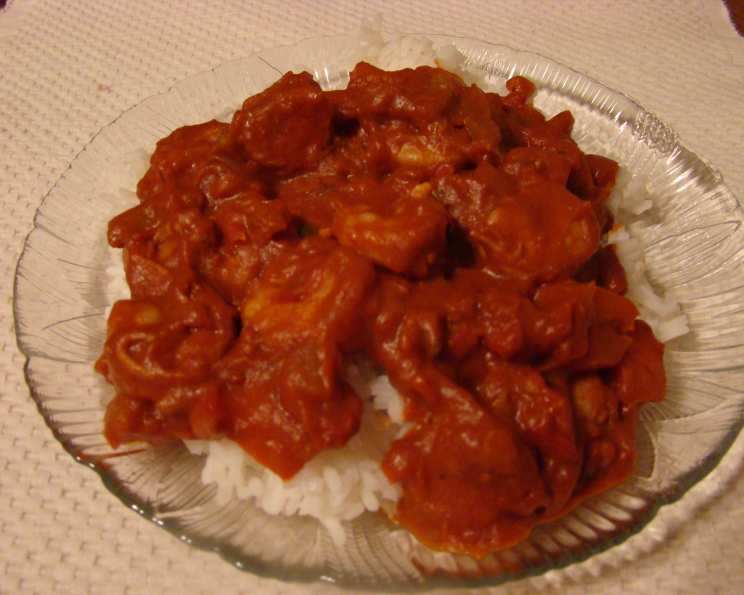
Real Shrimp Creole: A Taste of Louisiana Tradition
The scent alone transports me back to my Aunt Evangeline’s kitchen in New Orleans. The humid air, thick with the aromas of simmering tomatoes, spices, and the unmistakable sweetness of Gulf shrimp, clung to everything. She always had a pot of something bubbling on the stove, and Shrimp Creole was one of her specialties. It wasn’t just a meal; it was a celebration of family, heritage, and the vibrant flavors of Louisiana that simmered in her soul and spilled over into every dish she created. Every bite was a warm hug.
Recipe Overview
- Prep Time: 20 minutes
- Cook Time: 1 hour 45 minutes
- Total Time: 2 hours 5 minutes
- Servings: 6-8
- Yield: Approximately 8 cups
- Dietary Type: Generally Dairy-Free (check butter/oil used), Gluten-Free (if served over rice)
Ingredients
- 6 tablespoons butter or 6 tablespoons oil
- 6 tablespoons flour
- 3 onions, chopped
- 2 celery ribs, diced
- 1 bell pepper, chopped
- 1 lemon, rind of, grated (use only the rind)
- 2 garlic cloves, minced
- 2 tablespoons Worcestershire sauce
- 1 bay leaf
- 1 tablespoon Tony Chachere’s Cajun Seasoning (or your favorite Cajun seasoning blend)
- 1 (6 ounce) can tomato paste
- 1 (14 ounce) can Hunt’s Cajun-Style Stewed Tomatoes
- 3 lbs shrimp, cleaned and deveined
- Cooked rice, for serving
- Optional: Gumbo File for garnish
- Optional: 1 tablespoon brown sugar
- Optional: 1 cup of water
Equipment Needed
- Large heavy-bottomed pot or Dutch oven
- Wooden spoon or spatula
- Grater (for lemon zest)
- Cutting board
- Knife
Instructions
-
Begin by making the roux. In your large pot or Dutch oven, melt the butter (or heat the oil) over medium heat.
-
Once the butter is melted and shimmering (or the oil is hot), add the flour.
-
Stir the flour and butter (or oil) together constantly with a wooden spoon or spatula. This is a crucial step, as the roux forms the base of the Creole and contributes significantly to its flavor and texture.
-
Continue cooking the roux, stirring constantly, until it begins to turn a light tan color and is well mixed.
-
Reduce the heat to low. Continue cooking, stirring occasionally, for approximately 45 minutes to 1 hour. The goal is to achieve a rich chocolate brown color without burning the roux. This is where patience is key! A properly made, dark roux is the foundation of a truly authentic Creole. If the roux burns at any point, you must discard it and start over, as a burnt roux will impart a bitter flavor to the entire dish.
-
Once the roux has reached the desired color (a rich chocolate brown), add the chopped onions, diced celery, and chopped bell pepper to the pot. This is known as the “holy trinity” of Cajun and Creole cuisine.
-
Stir the vegetables into the roux and cook until they are softened and translucent, about 5-7 minutes.
-
Add the grated lemon rind, minced garlic, Worcestershire sauce, bay leaf, and Tony Chachere’s Cajun Seasoning to the pot. Stir well to combine.
-
Add the can of tomato paste and the can of Hunt’s Cajun-Style Stewed Tomatoes to the pot. Stir well to incorporate the ingredients.
-
If the mixture appears too thick, add approximately 1 cup of water to thin it to your desired consistency. The Creole should be thick enough to coat the back of a spoon, but not so thick that it resembles a paste.
-
Bring the mixture to a simmer over low heat. Cover the pot and simmer for 1 hour, stirring occasionally to prevent sticking.
-
After simmering for 1 hour, add the optional 1 tablespoon of brown sugar and mix well. This helps to balance the acidity of the tomatoes and enhance the overall flavor of the Creole.
-
Add the cleaned and deveined shrimp to the pot.
-
Cook the shrimp until they are pink, opaque, and cooked through, about 15-20 minutes, stirring occasionally. Be careful not to overcook the shrimp, as they can become rubbery.
-
Remove the bay leaf before serving.
-
Serve hot over cooked rice. Garnish with a sprinkle of gumbo file if desired.
-
Enjoy with your favorite side dishes, such as hot bread and a salad, and a glass of red or white wine.
Expert Tips & Tricks
- Roux Mastery: The roux is the heart of Shrimp Creole. Low and slow is the motto. Don’t rush the process or crank up the heat. Constant stirring is key to preventing burning and achieving that perfect deep, nutty flavor.
- Cajun Trinity Prep: Chop the onions, celery, and bell pepper in advance to streamline the cooking process. This ensures you can focus on the roux without interruption.
- Shrimp Size Matters: Use large or jumbo shrimp for a more substantial bite and prevent them from overcooking easily. Smaller shrimp may cook too quickly and become tough.
- Spice Level: Adjust the amount of Cajun seasoning to suit your taste. If you prefer a milder flavor, start with half the amount and add more to taste.
- Make-Ahead Magic: The Creole base (before adding the shrimp) can be made a day or two in advance and stored in the refrigerator. This allows the flavors to meld and deepen even further. Simply add the shrimp when you’re ready to serve.
- Freezing for Later: Shrimp Creole freezes well. Allow it to cool completely before transferring it to an airtight container or freezer bag. Thaw overnight in the refrigerator before reheating.
Serving & Storage Suggestions
Serve Shrimp Creole hot over a bed of fluffy white rice. A sprinkle of fresh parsley or green onions adds a touch of freshness and visual appeal. It pairs wonderfully with crusty bread for soaking up the delicious sauce and a simple green salad to balance the richness of the dish.
Leftovers can be stored in an airtight container in the refrigerator for up to 3 days. For longer storage, freeze for up to 2 months. Reheat gently on the stovetop over low heat, stirring occasionally, or in the microwave.
Nutritional Information
| Nutrient | Amount per Serving | % Daily Value |
|---|---|---|
| Calories | 509.9 kcal | N/A |
| Calories from Fat | 157 g | 31% |
| Total Fat | 17.5 g | 26% |
| Saturated Fat | 8.2 g | 40% |
| Cholesterol | 508.5 mg | 169% |
| Sodium | 2844.9 mg | 118% |
| Total Carbohydrate | 31.4 g | 10% |
| Dietary Fiber | 4 g | 16% |
| Sugars | 7.1 g | 28% |
| Protein | 56 g | 112% |
Note: Nutritional information is an estimate and may vary based on specific ingredients and portion sizes.
Variations & Substitutions
- Seafood Medley: Add other seafood such as crab, crawfish, or oysters for a richer and more complex flavor.
- Chicken Creole: Substitute chicken for shrimp. Brown the chicken pieces before adding them to the Creole.
- Vegetarian Creole: Omit the shrimp and add hearty vegetables such as okra, eggplant, and zucchini for a vegetarian version.
- Spicier Kick: Add a pinch of cayenne pepper or a dash of hot sauce for an extra kick of heat.
- Healthier Roux: While a traditional roux is made with butter and flour, you can experiment with using olive oil and gluten-free flour for a slightly healthier option.
- Tomato Variety: Feel free to use other types of canned tomatoes, such as diced tomatoes or crushed tomatoes, depending on your preference.
FAQs (Frequently Asked Questions)
Q: What is the most important part of making a good Shrimp Creole?
A: The roux is arguably the most important aspect. Taking the time to develop a dark, rich roux will create the foundation for a deeply flavorful and authentic Creole.
Q: Can I use pre-cooked shrimp to save time?
A: While you can, it’s not recommended. Pre-cooked shrimp can become rubbery when reheated in the sauce. Raw shrimp cooked directly in the Creole will have a better texture.
Q: How do I know when the roux is dark enough?
A: The roux should be a rich chocolate brown color, similar to dark chocolate. Be careful not to let it burn, as a burnt roux will ruin the flavor of the dish.
Q: Can I make this dish ahead of time?
A: Yes! The Creole base (without the shrimp) can be made 1-2 days in advance and stored in the refrigerator. Add the shrimp just before serving.
Q: What is gumbo file and do I need it?
A: Gumbo file is a powder made from ground sassafras leaves, used as a thickening agent and flavor enhancer in some Creole and Cajun dishes. It is optional, but it adds a unique flavor and aroma.
Final Thoughts
Shrimp Creole is more than just a recipe; it’s a taste of Louisiana’s vibrant culinary heritage. The depth of flavor, born from the patiently crafted roux and the harmonious blend of spices, is a testament to the power of slow cooking and simple ingredients. Don’t be intimidated by the roux-making process; with a little patience and attention, you’ll be rewarded with a truly authentic and unforgettable dish. So, gather your ingredients, put on some Zydeco music, and let the flavors of Louisiana transport you to a place where good food and good company are always on the menu. I encourage you to try this recipe and share your feedback – and perhaps even a glass of wine – with those you love. Bon appétit, y’all!