
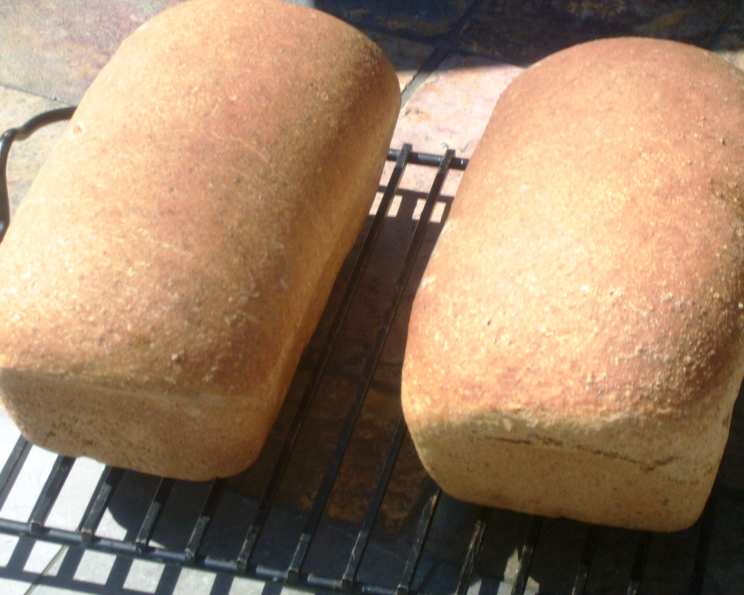
Rebecca’s Jewish Rye Bread: A Culinary Journey
The scent of caraway and molasses transports me back to my grandmother’s kitchen. Bubbe Rebecca, a master of simple comforts, always had a loaf of rye bread ready, its crust yielding to a soft, tangy interior. It wasn’t just bread; it was a symbol of home, of generations kneading tradition into every slice. This recipe, adapted from notes scribbled on her well-worn index cards, aims to capture that essence.
Recipe Overview
- Prep Time: 15 minutes
- Cook Time: 3 hours 10 minutes (includes machine cycle time)
- Total Time: 3 hours 25 minutes
- Yield: 1 2-pound loaf
- Dietary Type: Vegetarian
Ingredients
- 1 2/3 cups water
- 4 teaspoons vegetable oil
- 1 cup rye flour
- 2 cups white bread flour
- 1 cup white whole wheat flour (King Arthur brand recommended for consistency)
- 2 1/2 tablespoons caraway seeds
- 3 tablespoons dehydrated onion
- 1 1/2 teaspoons salt
- 4 teaspoons molasses
- 4 teaspoons gluten
- 2 1/2 teaspoons bread machine yeast
Equipment Needed
- Bread Machine (Zojirushi recommended, but any 2-pound capacity machine will work)
- Measuring cups and spoons
Instructions
- Carefully measure out all ingredients. Accuracy is key for successful bread baking!
- Add the water to the bread machine pan first.
- Pour in the vegetable oil. This helps to keep the bread soft and prevents sticking.
- Layer in the dry ingredients in the following order: rye flour, white bread flour, and white whole wheat flour.
- Sprinkle the caraway seeds evenly over the flour.
- Add the dehydrated onion. Be sure to break up any clumps so they distribute well throughout the dough.
- Add the salt. It is important to keep salt and yeast separate when loading the pan.
- Pour in the molasses. It will add the distinct color and sweetness that is characteristic of rye bread.
- Sprinkle the gluten over the flour. This is especially important when working with rye flour as it has a lower gluten content than wheat flour.
- Lastly, add the bread machine yeast. Ensure the yeast is fresh for the best rise.
- Place the bread machine pan into the machine.
- Select the “Basic” cycle and a “Light Crust” setting. The cycle typically takes about 3 hours, but this can vary depending on your machine.
- Press Start.
- Once the baking cycle is complete, remove the loaf from the machine promptly.
- Place the bread on a wire rack to cool completely before slicing. This prevents the bread from becoming soggy.
Expert Tips & Tricks
- Flour Power: Using King Arthur brand white whole wheat flour provides a consistent texture. Other brands may vary slightly in their absorption.
- Water Temperature: The ideal water temperature is around 80°F (27°C). This helps activate the yeast without scorching it. In warmer climates, you may want to use slightly cooler water.
- Dehydrated Onion Boost: For a more intense onion flavor, try rehydrating the dehydrated onions in a small amount of warm water for about 10 minutes before adding them to the machine. Drain well before adding.
- Gluten is Key: Don’t skip the gluten! Rye flour has less gluten than wheat flour, so adding extra gluten helps create a better crumb structure.
- Machine Matters: All bread machines are different. If your loaf consistently comes out dense, try using a bit less flour, a bit more water, or adjusting the crust setting. If it is too dry, add more water.
- Dough Check: During the kneading cycle, peek at the dough ball. It should be slightly tacky but not overly sticky. If it’s too wet, add a tablespoon of flour at a time. If it’s too dry, add a tablespoon of water.
Serving & Storage Suggestions
Serve Rebecca’s Jewish Rye Bread sliced and warm, or toasted. It’s fantastic for sandwiches, especially with corned beef, pastrami, or a simple smear of cream cheese. It pairs well with soups and stews, adding a hearty depth to your meal.
- Room Temperature: Store the cooled loaf in a bread bag or airtight container at room temperature for up to 3 days.
- Refrigerator: For longer storage (up to a week), store it in the refrigerator. However, refrigeration can dry out the bread, so wrap it tightly.
- Freezer: To freeze, slice the bread and wrap it tightly in plastic wrap, then place it in a freezer bag. It can be stored in the freezer for up to 2 months. To thaw, simply remove the slices and let them come to room temperature, or toast them straight from frozen. Reheat frozen bread in a toaster or a warm oven.
Nutritional Information
| Nutrient | Amount per Serving | % Daily Value |
|---|---|---|
| Calories | 2051.1 kcal | N/A |
| Calories from Fat | 254 g | 12 % |
| Total Fat | 28.3 g | 43 % |
| Saturated Fat | 3.6 g | 18 % |
| Cholesterol | 0 mg | 0 % |
| Sodium | 3530.5 mg | 147 % |
| Total Carbohydrate | 399 g | 132 % |
| Dietary Fiber | 42.1 g | 168 % |
| Sugars | 22.8 g | 91 % |
| Protein | 61.5 g | 122 % |
Note: Nutritional information is an estimate and may vary based on specific ingredients and portion sizes.
Variations & Substitutions
- Different Flours: Feel free to experiment with the ratio of white bread flour, white whole wheat flour, and rye flour. For a more intense rye flavor, use up to 2 cups of rye flour and reduce the white bread flour accordingly.
- No White Whole Wheat: If you don’t have white whole wheat flour, you can substitute it with regular whole wheat flour or more white bread flour.
- Spice it Up: Add other spices like fennel seeds, anise seeds, or even a pinch of coriander for a unique flavor profile.
- Sweetness: For a sweeter bread, increase the molasses to 1 tablespoon.
- Vegan Version: Ensure your vegetable oil is vegan-friendly. Molasses is already a vegan product.
- Gluten-Free: While this recipe relies on gluten for structure, consider adapting it using a gluten-free bread flour blend and adding xanthan gum for binding. Be aware that the texture and flavor will differ significantly.
FAQs (Frequently Asked Questions)
Q: Can I make this bread without a bread machine?
A: While this recipe is specifically designed for a bread machine, you can adapt it for traditional baking. You’ll need to knead the dough by hand or with a stand mixer, allow it to rise, and then bake it in a preheated oven. Search online for rye bread recipes made without a bread machine for more detailed instructions.
Q: Why is my bread so dense?
A: Density can be caused by several factors, including using too much flour, not enough yeast, or old yeast. Make sure your yeast is fresh, measure your ingredients accurately, and consider adding a bit more water if the dough seems dry during kneading.
Q: Can I use active dry yeast instead of bread machine yeast?
A: Yes, you can. However, you may need to proof the active dry yeast in warm water with a pinch of sugar for about 5-10 minutes before adding it to the other ingredients. This ensures the yeast is active and will rise properly.
Q: What if I don’t like caraway seeds?
A: If you’re not a fan of caraway seeds, you can simply omit them. The bread will still have a delicious rye flavor from the rye flour.
Q: How do I know when the bread is done baking?
A: In a bread machine, the machine will indicate when the cycle is complete. However, you can also check the internal temperature of the bread with a thermometer. It should reach around 200-210°F (93-99°C).
Final Thoughts
Baking Rebecca’s Jewish Rye Bread is more than just following a recipe; it’s about connecting with tradition and creating a delicious, comforting loaf that will fill your home with warmth and the aroma of generations past. Don’t be afraid to experiment with the recipe and make it your own. Share your creations and feedback – I’d love to hear how it turns out! Pair this rye bread with a hearty bowl of matzo ball soup or a classic Reuben sandwich for the ultimate culinary experience. Enjoy!