
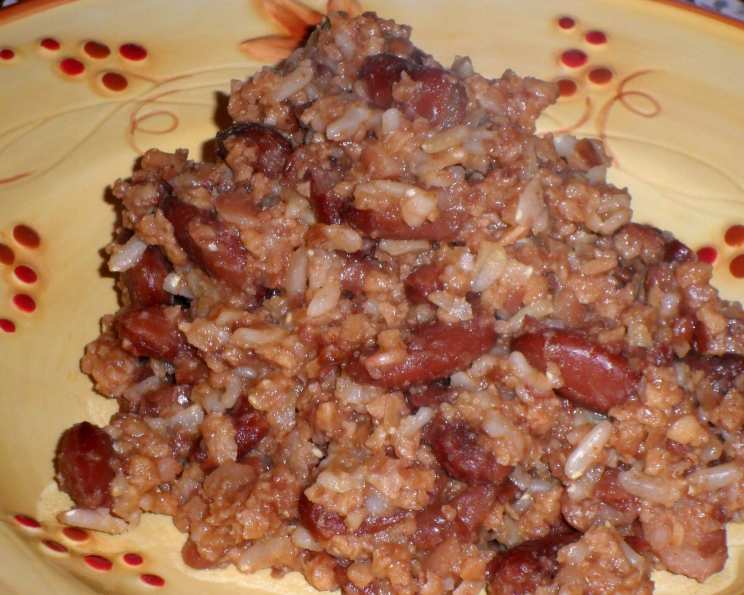
Red Beans & Rice With TVP: A Hearty, Healthy Staple
The scent of red beans simmering on the stove always takes me back to my grandmother’s kitchen in Louisiana. I remember sitting at her worn, wooden table, the aroma of garlic, spices, and simmering beans filling the air. It wasn’t just a meal; it was an experience, a hug from the inside out. Her version, of course, was a slow-cooked masterpiece featuring sausage and ham hocks. Today, I’m sharing a plant-based twist that captures that same comforting flavor and texture, while being kind to your body and the planet. This hearty red beans and rice recipe uses textured vegetable protein (TVP) to deliver a satisfying protein punch, making it a perfect weeknight meal.
Recipe Overview
- Prep Time: 15 minutes (plus overnight soaking for beans)
- Cook Time: 1 hour 15 minutes
- Total Time: 1 hour 30 minutes (plus overnight soaking for beans)
- Servings: 4
- Yield: About 6 cups
- Dietary Type: Vegan, Gluten-Free
Ingredients
- 1 cup dried kidney beans (or pinto beans)
- 1 large onion, diced
- 3 fresh garlic cloves, smashed
- 1 quart boiling water
- ½ cup brown rice, dry (basmati or short grain)
- 1 cup textured vegetable protein (TVP)
- 1 ½ tablespoons chili powder (adjust to taste based on heat level)
- 1 ½ teaspoons ground cumin
- ½ teaspoon sea salt
- Cayenne pepper or hot sauce (optional, to taste)
Equipment Needed
- Large pot or Dutch oven
- Medium saucepan
- Colander
Instructions
- The first step, and a crucial one, is to soak the beans. Place the dried kidney beans in a large bowl or pot and cover them with plenty of water. Ensure the water level is well above the beans, as they will expand as they soak. Let them soak overnight at room temperature. This soaking process helps to rehydrate the beans, significantly reducing their cooking time and making them more digestible. If you’re short on time, you can use the quick-soak method: cover the beans with water in a pot, bring to a boil, and then let them sit for an hour before draining.
- After the beans have soaked overnight, it’s time to drain and rinse them well. Place the beans in a colander and rinse them under cold running water, removing any debris or impurities. This step helps to remove any lingering compounds that can cause digestive discomfort.
- Now, it’s time to start cooking the base of our dish. In a large pot or Dutch oven, combine the drained and rinsed beans with the diced onion, smashed garlic cloves, and boiling water. Bring the mixture to a boil, then reduce the heat to low, cover the pot, and let it simmer for 45 minutes.
- While the beans are simmering, it’s time to prepare the brown rice. In a separate medium saucepan, cook the brown rice according to the package directions. Typically, this involves combining the rice with water (usually a 2:1 ratio of water to rice), bringing it to a boil, then reducing the heat to low, covering, and simmering for about 45 minutes, or until all the water is absorbed and the rice is tender. Using a separate pot allows for more precise control over the rice’s cooking, ensuring it isn’t overcooked or mushy.
- After the beans have been simmering for 45 minutes, it’s time to add the TVP and spices. Add the textured vegetable protein (TVP), chili powder, and ground cumin to the pot with the beans. Stir well to combine, ensuring the TVP is evenly distributed and coated in the flavorful broth.
- Continue to cook the beans and TVP until the beans are tender, which will take approximately 20-30 minutes more. Keep the pot covered and stir occasionally to prevent sticking. As the mixture simmers, the TVP will absorb the flavorful liquid from the beans, plumping up and creating a texture similar to ground meat.
- During the final stage of cooking, most of the liquid should have cooked into the beans and TVP, creating a thick, stew-like consistency. If there’s still excess liquid, you can remove the lid and let it simmer for a few more minutes, stirring frequently, until the desired consistency is achieved. Season with sea salt to taste. Remember, salt enhances the flavors of all the other ingredients, so add it gradually and taste as you go.
- Once the rice is cooked and the beans are tender, it’s time to bring it all together. Gently mix the cooked rice with the cooked beans and TVP. Be careful not to overmix, as this can make the rice mushy.
- For an extra kick of flavor, add a pinch of cayenne pepper or a dash of your favorite hot sauce to taste. This is entirely optional, so feel free to adjust the amount to your personal preference.
Expert Tips & Tricks
- Spice it up: For a more authentic flavor, add a bay leaf during the bean cooking process and remove it before serving.
- Liquid smoke: A dash of liquid smoke can mimic the smoky flavor traditionally achieved with smoked meats.
- TVP texture: If you prefer a softer TVP texture, soak it in a small amount of hot vegetable broth before adding it to the beans.
- Thickening: If your beans are too watery, mash a portion of them against the side of the pot to thicken the sauce.
- Chili Powder: Be mindful of the chili powder you are using. Some are hotter than others, so start with less and add more to taste.
Serving & Storage Suggestions
Serve the Red Beans & Rice With TVP hot, straight from the pot. Garnish with chopped fresh cilantro or green onions for a pop of color and freshness. This dish is delicious on its own, or served with a side of cornbread or a simple green salad.
Leftovers can be stored in an airtight container in the refrigerator for up to 3-4 days. To reheat, simply microwave or warm on the stovetop over medium heat, adding a splash of water or vegetable broth if needed to prevent sticking. You can also freeze individual portions for longer storage (up to 2-3 months). When reheating from frozen, thaw overnight in the refrigerator before warming.
Nutritional Information
| Nutrient | Amount per Serving | % Daily Value |
|---|---|---|
| Calories | 320 kcal | 16% |
| Total Fat | 3g | 4% |
| Saturated Fat | 0.5g | 3% |
| Cholesterol | 0mg | 0% |
| Sodium | 350mg | 15% |
| Total Carbohydrate | 55g | 20% |
| Dietary Fiber | 12g | 48% |
| Sugars | 3g | 6% |
| Protein | 20g | 40% |
Variations & Substitutions
- Spicier: Add diced jalapeños or a pinch of cayenne pepper for extra heat.
- Different beans: Use pinto beans or black beans instead of kidney beans.
- Oil-free sauté: Instead of oil, sauté the onion and garlic in a splash of vegetable broth or water.
- Smoked paprika: Add a teaspoon of smoked paprika for a smoky flavor without liquid smoke.
FAQs (Frequently Asked Questions)
Q: Can I use canned beans instead of dried beans?
A: Yes, you can substitute canned kidney beans for dried beans. Use about 3 cups of cooked canned beans, and reduce the cooking time accordingly. Add them in step 5 of the instructions.
Q: Do I have to soak the beans overnight?
A: Soaking the beans overnight is recommended to reduce cooking time and improve digestibility. However, you can use the quick-soak method or use canned beans as a substitute.
Q: Can I use white rice instead of brown rice?
A: Yes, you can substitute white rice, but keep in mind that it will cook faster than brown rice, so adjust the cooking time accordingly.
Q: Is this recipe gluten-free?
A: Yes, this recipe is naturally gluten-free, as it does not contain any wheat or gluten-containing ingredients.
Q: Can I add vegetables to this dish?
A: Absolutely! Feel free to add diced bell peppers, celery, or carrots to the pot along with the onion and garlic for added flavor and nutrients.
Final Thoughts
This Red Beans & Rice with TVP recipe is more than just a meal; it’s a comforting and nutritious dish that’s perfect for any occasion. It’s a testament to the fact that plant-based eating can be both delicious and satisfying. I encourage you to try this recipe and make it your own. Feel free to experiment with different spices and vegetables to create a flavor profile that you love. And don’t forget to share your creations and feedback – I’d love to hear what you think! Perhaps a glass of chilled iced tea or a crisp, dry white wine would be a lovely pairing. Bon appétit!