
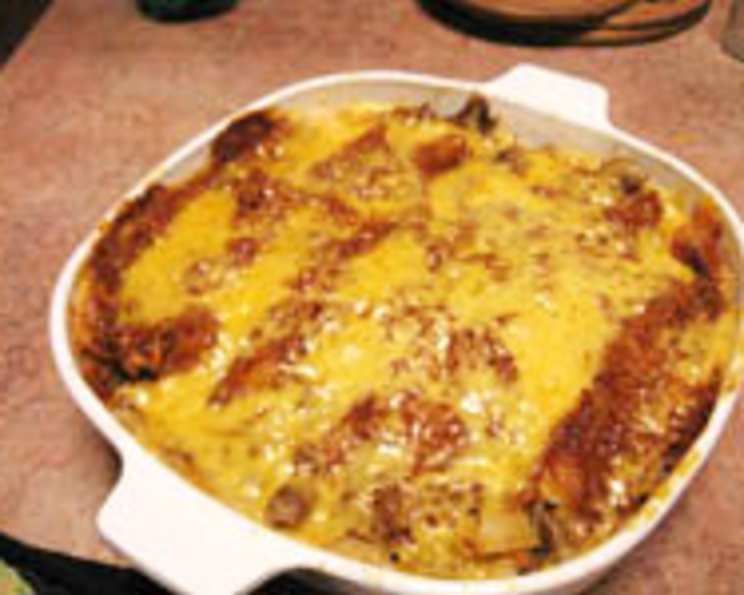
The Soul of the Southwest: Authentic Red Chile Sauce
The first time I tasted truly exceptional red chile sauce, I was backpacking through New Mexico. It wasn’t in a fancy restaurant, but at a roadside stand run by a woman named Elena. The aroma alone – earthy, smoky, with a hint of something sweet – stopped me in my tracks. She ladled the deep red sauce over a simple cheese enchilada, and the flavor exploded in my mouth. It was so complex, so layered, so utterly alive compared to anything I’d ever tasted. Elena just smiled and said, “That’s the heart of New Mexico, mijo.” From that moment, I was determined to learn the secrets of truly authentic red chile sauce.
Recipe Overview
- Prep Time: 45 minutes
- Cook Time: 25 minutes
- Total Time: 1 hour 10 minutes
- Yields: 4 cups
- Dietary Type: Vegan (if using vegetable stock)
Ingredients
- 4 ounces whole dried hot New Mexico chilies (preferably Chimayo)
- 2 ounces whole dried ancho chiles
- 2 ounces whole dried pasilla chiles
- 2 canned chipotle chiles in adobo
- 1 teaspoon adobo sauce
- 2 quarts water
- 1 lb Roma tomatoes, blackened
- 1 large white onion, chopped
- 1 tablespoon olive oil
- 5 cloves garlic, roasted, peeled, chopped
- 1 teaspoon cumin
- 1 1/2 teaspoons Mexican oregano
- 1 teaspoon salt
- 2 tablespoons lard (or vegetable oil for vegan)
- 1 cup chicken stock (or more as needed, vegetable stock for vegan)
Equipment Needed
- Large pot or Dutch oven
- Blender
- Skillet
- Roasting pan (for garlic)
- Tongs
- Measuring cups and spoons
Instructions
-
Prepare the Chilies: Begin by stemming and seeding all of the dried chiles: the New Mexico, ancho, and pasilla. This step removes the bitterness often associated with the seeds and ensures a smoother sauce.
-
Roast the Chilies: Spread the stemmed and seeded chiles on a baking sheet and roast in a preheated oven at 250°F (120°C) for 3-4 minutes. Watch carefully, as they can burn quickly. Roasting intensifies their flavor and adds a subtle smokiness. Remove from oven.
-
Rehydrate the Chilies: Place the roasted chiles in a large, covered pot with 2 quarts of water. Bring to a simmer, then reduce the heat to low and simmer for 20 minutes, or until the chiles are softened. This step is crucial for extracting the full flavor and color from the chiles.
-
Blacken the Tomatoes: While the chiles are simmering, blacken the Roma tomatoes under a broiler. Turn them frequently to ensure even charring on all sides. The blackened skin adds depth and complexity to the sauce. Allow the tomatoes to cool slightly before handling.
-
Sauté the Onion: In a large skillet, heat the olive oil over low heat. Add the chopped white onion and sauté until it is deeply browned and caramelized. This process can take up to 15-20 minutes, but the patience is well worth it. Browning the onion properly adds a sweetness and richness that is essential to the sauce.
-
Blend the Sauce: Transfer the softened chiles (along with the soaking water), blackened tomatoes, browned onion, roasted garlic, cumin, Mexican oregano, adobo sauce, chipotle chiles, and salt to a blender. Be cautious when blending hot liquids. It’s best to blend in batches and vent the blender lid slightly to prevent pressure buildup.
-
Puree: Add the chicken stock (or vegetable stock) to the blender and puree the mixture until it forms a fine, smooth paste. The consistency should be velvety. If the sauce appears too thick, add more stock, a little at a time, until the desired consistency is achieved.
-
Fry the Sauce: In the same skillet used to sauté the onion, heat the lard (or vegetable oil) over medium-high heat until it is almost smoking. Carefully pour the pureed sauce into the hot lard and fry it, letting it sizzle for about 5 minutes. This step is vital for developing the sauce’s characteristic flavor and preventing it from tasting raw. Stir frequently to prevent sticking and scorching.
-
Adjust Consistency: Monitor the sauce closely during the frying process. If it starts to get too thick, add more stock to maintain the desired consistency. The final sauce should be thick enough to coat the back of a spoon, but still pourable.
Expert Tips & Tricks
- Chile Selection: The type of chiles you use will significantly impact the flavor of your sauce. Experiment with different varieties to find your perfect blend. Chimayo chiles, for example, offer a distinct earthy sweetness.
- Roasting Technique: Watch the chiles very closely during roasting to prevent burning, which will make the sauce bitter.
- Blackening Tomatoes: You can blacken the tomatoes over a gas stovetop flame if you don’t have a broiler.
- Strain for Extra Smoothness: For an ultra-smooth sauce, strain it through a fine-mesh sieve after blending. This removes any remaining bits of chile skin or seeds.
- Make-Ahead Tip: The sauce can be made ahead of time and stored in the refrigerator for up to 5 days, or frozen for up to 3 months.
Serving & Storage Suggestions
Serve the red chile sauce hot over enchiladas, tamales, burritos, huevos rancheros, or any dish that could benefit from a rich, smoky, and slightly spicy flavor. It is a classic accompaniment to Southwestern cuisine.
- Storage: Leftover sauce should be stored in an airtight container in the refrigerator. It will last for up to 5 days.
- Freezing: To freeze, transfer the cooled sauce to freezer-safe containers or bags, leaving some room for expansion. It can be frozen for up to 3 months. Thaw overnight in the refrigerator before reheating.
- Reheating: Reheat the sauce gently in a saucepan over low heat, stirring frequently, until heated through. You may need to add a little more stock if it has thickened during storage.
Nutritional Information
| Nutrient | Amount per Serving | % Daily Value |
|---|---|---|
| Calories | 249 kcal | N/A |
| Calories from Fat | 129 kcal | N/A |
| Total Fat | 14.4 g | 22% |
| Saturated Fat | 3.4 g | 16% |
| Cholesterol | 7.9 mg | 2% |
| Sodium | 705 mg | 29% |
| Total Carbohydrate | 28 g | 9% |
| Dietary Fiber | 9.4 g | 37% |
| Sugars | 6.3 g | 25% |
| Protein | 7 g | 13% |
Note: Nutritional information is an estimate and may vary based on specific ingredients and preparation methods.
Variations & Substitutions
- Vegan Version: Substitute vegetable oil for lard and vegetable stock for chicken stock.
- Spice Level: Adjust the heat by adding more or fewer chipotle chiles. You can also remove the seeds from the New Mexico chiles entirely for a milder sauce.
- Smoked Paprika: For an extra smoky flavor, add a teaspoon of smoked paprika to the sauce during the frying stage.
- Chocolate Notes: For a richer, deeper flavor, add a small square of dark chocolate (about 1/2 ounce) to the sauce while it’s simmering.
FAQs (Frequently Asked Questions)
Q: Can I use chile powder instead of whole dried chiles?
A: While you can use chile powder in a pinch, the flavor won’t be as complex or authentic as using whole dried chiles. The whole chiles provide a depth of flavor that powders simply can’t replicate.
Q: How do I make the sauce less spicy?
A: Remove the seeds and membranes from the New Mexico, ancho, and pasilla chiles before roasting. Also, reduce the amount of chipotle chiles used.
Q: What if I don’t have access to Chimayo chiles?
A: Any good quality New Mexico chile will work, but Chimayo chiles are prized for their unique flavor. If you can’t find them, look for other varieties of New Mexico chiles.
Q: How long will the sauce last?
A: Properly stored in the refrigerator, the sauce will last for up to 5 days. In the freezer, it can last for up to 3 months.
Q: Can I use a food processor instead of a blender?
A: While a food processor can be used, a blender will generally yield a smoother sauce. If using a food processor, process the ingredients in smaller batches to ensure even blending.
Final Thoughts
This red chile sauce is more than just a condiment; it’s a taste of history, a flavor of the Southwest. The process may seem a bit involved, but the result is well worth the effort. Don’t be afraid to experiment with different chiles and spices to create your own unique version. I encourage you to try this recipe and share your creations with friends and family. Pair it with warm tortillas and your favorite Southwestern dishes, and let the vibrant flavors transport you to the heart of New Mexico.