
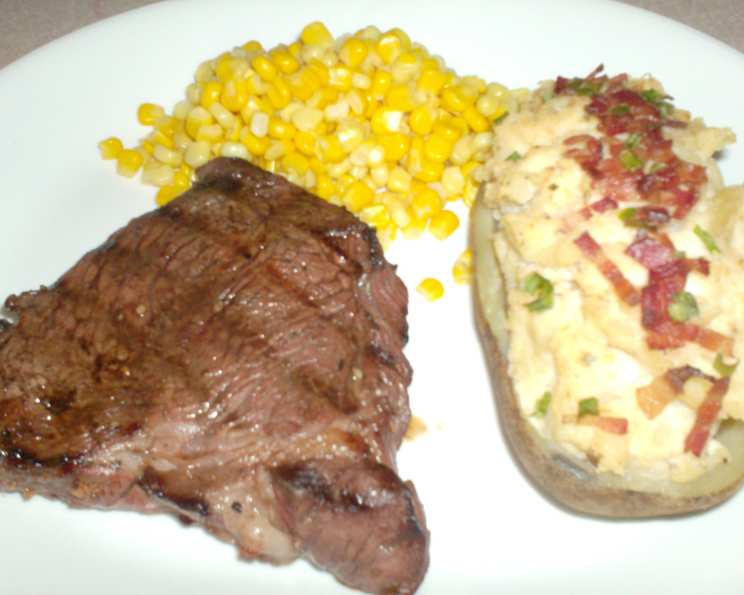
Unlock Intense Flavor: The Ultimate Red Wine Beef Marinade
The aroma still wafts back to me sometimes – that unforgettable, heady mix of red wine, garlic, and something deeply savory emanating from my grandmother’s kitchen. She wasn’t a fancy chef, but her pot roasts were legendary, and this marinade, or something very much like it, was her secret weapon. To this day, the scent evokes cozy Sunday dinners, laughter echoing around the table, and the sheer joy of perfectly tender, flavorful beef. It’s a culinary memory etched in my heart, and I’m thrilled to share this equally impressive recipe with you.
Recipe Overview
- Prep Time: 10 minutes
- Marinating Time: 2 hours to overnight
- Cook Time: Varies depending on the cut of beef and cooking method
- Servings: 4-6
- Dietary Type: Generally Suitable (check ingredients for specific allergies/dietary needs)
Ingredients
- ¾ cup red wine (A dry red like Cabernet Sauvignon or Merlot works best)
- ½ cup soy sauce
- ¼ cup Worcestershire sauce
- 2 tablespoons dry mustard
- ⅓ cup lemon juice
- 3 garlic cloves, minced
- ½ cup vegetable oil
- 1 tablespoon cayenne pepper
- 1 pinch dry chile pepper
- Rosemary (optional, to taste)
- Thyme (optional, to taste)
Equipment Needed
- Resealable plastic bag or glass dish
- Measuring cups and spoons
- Knife
- Cutting board
Instructions
- In a medium bowl, combine the red wine, soy sauce, Worcestershire sauce, dry mustard, lemon juice, minced garlic, vegetable oil, cayenne pepper, and dry chile pepper. Whisk all ingredients together thoroughly until well combined. The mixture should be somewhat emulsified, though some separation is normal.
- Place the steak in a large resealable plastic bag or a glass dish. A bag allows for maximum marinade contact, but a glass dish works well too, especially for larger cuts.
- Pour the marinade over the steak, ensuring that all surfaces are coated.
- If using a plastic bag, seal it tightly, removing as much air as possible. If using a glass dish, cover it tightly with plastic wrap or a lid.
- Refrigerate for a minimum of 2 hours, or preferably overnight. Turn the meat occasionally to ensure even marinating. The longer you marinate, the more flavor the beef will absorb. Be cautious not to marinate for excessively long periods (more than 24 hours), as the acidity in the marinade can start to break down the meat fibers too much, resulting in a mushy texture.
- When ready to cook, remove the steak from the marinade and pat dry with paper towels. This will help ensure a good sear. Discard the used marinade.
- Cook the steak using your preferred method – grilling, pan-searing, broiling, or even slow-cooking. The cooking time will depend on the thickness of the steak and your desired level of doneness. Use a meat thermometer to ensure the steak reaches the correct internal temperature.
- For rare: 125-130°F
- For medium-rare: 130-140°F
- For medium: 140-150°F
- For medium-well: 150-160°F
- For well-done: 160°F+
- Let the steak rest for 5-10 minutes before slicing against the grain. This allows the juices to redistribute, resulting in a more tender and flavorful steak.
Expert Tips & Tricks
- Poke the Meat: Before marinating, use a fork to gently poke holes in the steak. This helps the marinade penetrate deeper into the meat.
- Herbs de Provence: For a more complex flavor, substitute Herbs de Provence for the rosemary and thyme.
- Sugar Balance: If you find the marinade too acidic, add a tablespoon of brown sugar or honey to balance the flavors.
- Don’t Overcrowd the Pan: When pan-searing, avoid overcrowding the pan. Cook the steak in batches if necessary to ensure a good sear. Overcrowding lowers the pan temperature, leading to steaming instead of searing.
- Marinade Reduction: For an extra flavorful sauce, simmer the leftover marinade in a saucepan until it reduces and thickens slightly. Be sure to bring the marinade to a full boil for several minutes to kill any bacteria.
Serving & Storage Suggestions
Serve the marinated and cooked steak hot, sliced against the grain, and drizzled with pan juices or a homemade sauce. It pairs perfectly with roasted vegetables, mashed potatoes, or a fresh salad.
- Room Temperature: Cooked steak should not be left at room temperature for more than 2 hours.
- Refrigerator: Store leftover cooked steak in an airtight container in the refrigerator for up to 3-4 days.
- Freezer: For longer storage, freeze the cooked steak in an airtight container or freezer bag for up to 2-3 months.
- Reheating: Reheat leftover steak in a skillet over medium heat, in the oven at 300°F (150°C), or in the microwave. Be careful not to overcook it when reheating. Adding a little beef broth or pan drippings during reheating can help retain moisture.
Nutritional Information
Note: Nutritional information is an estimate and may vary based on specific ingredients and portion sizes.
| Nutrient | Amount per Serving | % Daily Value |
|---|---|---|
| Calories | 350 kcal | 18% |
| Total Fat | 29 g | 44% |
| Saturated Fat | 4 g | 18% |
| Cholesterol | 0 mg | 0% |
| Sodium | 2182 mg | 90% |
| Total Carbohydrate | 12 g | 3% |
| Dietary Fiber | 2 g | 6% |
| Sugars | 4 g | 14% |
| Protein | 6 g | 11% |
Variations & Substitutions
- Gluten-Free: Ensure your soy sauce and Worcestershire sauce are gluten-free. Tamari is a great gluten-free alternative to soy sauce.
- Spicy: Increase the amount of cayenne pepper or add a few drops of your favorite hot sauce for a spicier kick.
- Citrus Zest: Add the zest of one orange or lemon to the marinade for a brighter flavor.
- Herb Variations: Experiment with different herbs like oregano, basil, or marjoram.
- Sweetness: Add a tablespoon of honey or maple syrup for a touch of sweetness.
- Vinegar: Substitute a portion of the red wine with balsamic vinegar or red wine vinegar for a different tang.
FAQs (Frequently Asked Questions)
Q: Can I marinate the beef for longer than overnight?
A: While longer marinating times can enhance flavor, marinating for more than 24 hours is generally not recommended, as the acid in the marinade can break down the meat fibers too much, leading to a mushy texture.
Q: Can I use this marinade on other types of meat?
A: Absolutely! This marinade is also excellent for pork, chicken, and lamb. Adjust the marinating time accordingly based on the type of meat.
Q: Do I need to use an expensive red wine?
A: No, you don’t need to use an expensive wine. A decent-quality, dry red wine like Cabernet Sauvignon or Merlot works perfectly well. Avoid using cooking wine, as it often contains added salt and preservatives.
Q: Can I reuse the marinade?
A: No, it is not safe to reuse marinade that has been in contact with raw meat due to the risk of bacterial contamination. However, you can simmer the used marinade in a saucepan until it reduces and thickens to create a sauce, ensuring it reaches a full boil for several minutes to kill any harmful bacteria.
Q: What is the best cut of beef to use with this marinade?
A: This marinade works well with a variety of cuts, including flank steak, skirt steak, sirloin, and even tougher cuts like chuck roast (especially if slow-cooked). The marinade helps to tenderize the meat and infuse it with flavor.
Final Thoughts
This Red Wine Beef Marinade is a gateway to incredible flavor, transforming ordinary cuts of beef into culinary masterpieces. Whether you’re firing up the grill for a summer barbecue or slow-cooking a comforting winter stew, this marinade will elevate your dishes to new heights. So, gather your ingredients, unleash your inner chef, and prepare to be amazed by the depth of flavor you can achieve with just a few simple steps. I encourage you to experiment with the variations and make it your own. And, most importantly, enjoy the process and the delicious results! Share your creations and feedback – I’d love to hear how this recipe becomes a staple in your kitchen.