
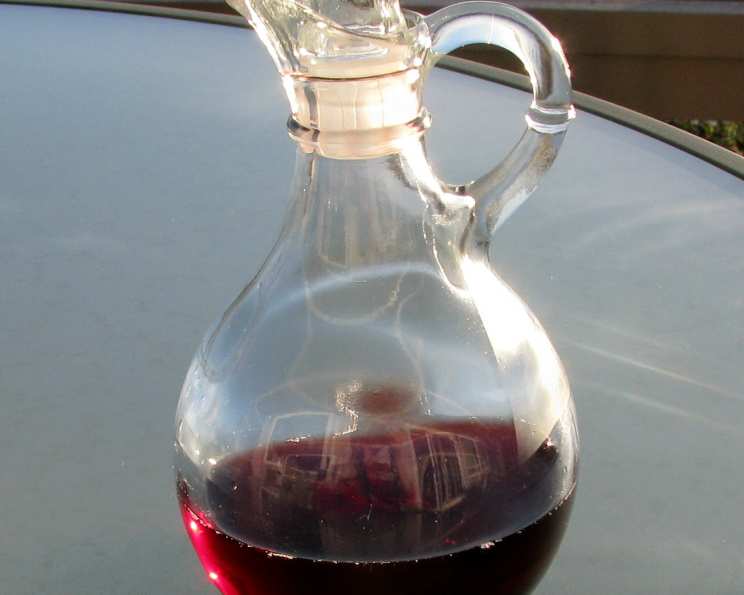
Red Wine Vinegar (Copycat)
I’ll never forget my grandmother’s salad dressing. It was always the perfect balance of tart and sweet, and it made every salad taste like a gourmet experience. Her secret? She always made her own red wine vinegar. I remember her telling me, “Why buy it when you can make it better yourself?” This simple red wine vinegar copycat recipe brings back those cherished memories every time I whisk it together, and it’s a testament to the fact that sometimes, the simplest things are the most delicious.
Recipe Overview
- Prep Time: 1 minute
- Cook Time: 0 minutes
- Total Time: 1 minute (plus optional infusion time)
- Servings: 1
- Yield: 1/4 cup
- Dietary Type: Vegan, Gluten-Free, Dairy-Free
Ingredients
- 1 tablespoon red wine
- 3 tablespoons white vinegar
Equipment Needed
- Small jar with a lid
Instructions
- Combine the red wine and white vinegar in a small jar with a lid.
- Secure the lid tightly and shake gently to combine the ingredients.
- Use immediately as needed.
- NOTE: If you are infusing this mixture with garlic or other herbs, allow it to stand for a minimum of 3 hours before using. Longer infusion times (up to a week) will result in a more pronounced flavor.
Expert Tips & Tricks
This method of creating red wine vinegar is really a quick substitution, as true red wine vinegar takes weeks, or even months, to ferment. It mimics the flavor profile using what you likely already have on hand.
- Wine Choice Matters: While any red wine will work in this recipe, using a dry, full-bodied red wine like Cabernet Sauvignon or Merlot will give you the most authentic red wine vinegar flavor. Avoid using sweet red wines, as they will throw off the balance of the vinegar.
- Vinegar Variety: I prefer using plain distilled white vinegar for the cleanest flavor. You can experiment with other types of white vinegar, such as white wine vinegar, but be mindful of how it will affect the final taste.
- Infusion for Depth: Don’t underestimate the power of infusing this quick vinegar with herbs or spices. Adding a crushed garlic clove, a sprig of rosemary, or a few peppercorns to the jar and letting it sit for a few days can transform the flavor completely. Strain out the solids before using.
- Adjust to Your Taste: The 1:3 ratio of red wine to white vinegar is a good starting point, but feel free to adjust it to your liking. If you prefer a milder vinegar, use a bit more red wine. For a tangier vinegar, add a touch more white vinegar.
- Large Batch Production: This recipe is easily scalable. If you frequently use red wine vinegar, make a larger batch by simply multiplying the ingredients. Store it in a sterilized glass jar in a cool, dark place.
- Gentle Mixing: Avoid vigorously shaking the vinegar, particularly when infusing with herbs, as this can cloud the mixture. A gentle swirl is all you need to combine the ingredients.
- Troubleshooting: If your “vinegar” tastes too harsh, let it sit for a day or two. The flavors will mellow out over time. You can also add a tiny pinch of sugar to balance the acidity.
- Enhance Salad Dressings: Use this vinegar to create vibrant vinaigrettes. Combine it with olive oil, Dijon mustard, honey, and your favorite herbs for a delicious and easy salad dressing.
- Marinating Magic: Red wine vinegar is a fantastic marinade for meats and vegetables. Its acidity helps to tenderize the protein and infuse it with flavor.
- Deglazing Wonder: After sautéing meats or vegetables, deglaze the pan with a splash of this red wine vinegar to create a flavorful pan sauce.
Serving & Storage Suggestions
This red wine vinegar is best used immediately, especially if not infused. If infused, strain out any herbs or garlic before using.
- Serving Suggestions: Use in salad dressings, marinades, sauces, and deglazing pans. It also works beautifully drizzled over roasted vegetables or grilled meats.
- Storage: Store the red wine vinegar in a tightly sealed glass jar in a cool, dark place. Properly stored, it will last indefinitely, though the flavor may mellow slightly over time. Infused vinegars should be strained before storing to prevent the herbs from deteriorating.
- Refrigeration: While not necessary, refrigerating the vinegar can help to preserve the flavor and prevent any further fermentation.
- Freezing: Freezing is not recommended as it can alter the texture and flavor of the vinegar.
Nutritional Information
| Nutrient | Amount per Serving | % Daily Value |
|---|---|---|
| Calories | 22 kcal | 1% |
| Total Fat | 0g | 0% |
| Saturated Fat | 0g | 0% |
| Cholesterol | 0mg | 0% |
| Sodium | 3mg | 0% |
| Total Carbohydrate | 1g | 0% |
| Dietary Fiber | 0g | 0% |
| Sugars | 0g | 0% |
| Protein | 0g | 0% |
Variations & Substitutions
- Flavored Vinegars: As mentioned, infusing the vinegar with herbs, spices, or fruits is a great way to customize the flavor. Try adding raspberries, tarragon, or chili flakes.
- Balsamic Red Wine Vinegar: For a sweeter and more complex flavor, add a teaspoon of balsamic vinegar to the mixture.
- Sherry Red Wine Vinegar: Using sherry vinegar instead of white vinegar will add nutty notes.
- Spiced Red Wine Vinegar: Introduce warm spices like cinnamon, cloves, and star anise for a festive, holiday-inspired vinegar.
- Honey-Infused: Sweeten the vinegar with a touch of honey for a balanced flavor profile that works well in salad dressings.
FAQs (Frequently Asked Questions)
Q: Can I use any kind of red wine for this recipe?
A: While any red wine will work, a dry, full-bodied red wine will yield the best flavor. Avoid sweet or dessert wines.
Q: How long does the infused vinegar need to sit before using?
A: For best results, allow the infused vinegar to sit for at least 3 hours, but preferably overnight or even a few days. This allows the flavors to fully develop.
Q: Can I use this vinegar in canning or pickling?
A: No, this is not a substitute for true red wine vinegar that’s required for safe canning or pickling. This is a flavor substitute only.
Q: How do I know if my red wine vinegar has gone bad?
A: Red wine vinegar has a very long shelf life. If you notice any mold growth or a significant change in color or odor, it’s best to discard it.
Q: Can I use this to make a reduction?
A: Yes, you can reduce this vinegar on the stovetop over low heat to create a thicker, more concentrated sauce. Be careful not to burn it.
Final Thoughts
Making your own red wine vinegar couldn’t be easier! This simple two-ingredient recipe is a fantastic way to elevate your cooking and add a touch of homemade goodness to your dishes. I hope you enjoy experimenting with different infusions and finding your perfect flavor combination. Don’t hesitate to share your creations and feedback – I’m excited to hear how you make this recipe your own. Consider using this vinegar in a bright, flavorful Greek salad or drizzled over grilled halloumi cheese. Bon appétit!