
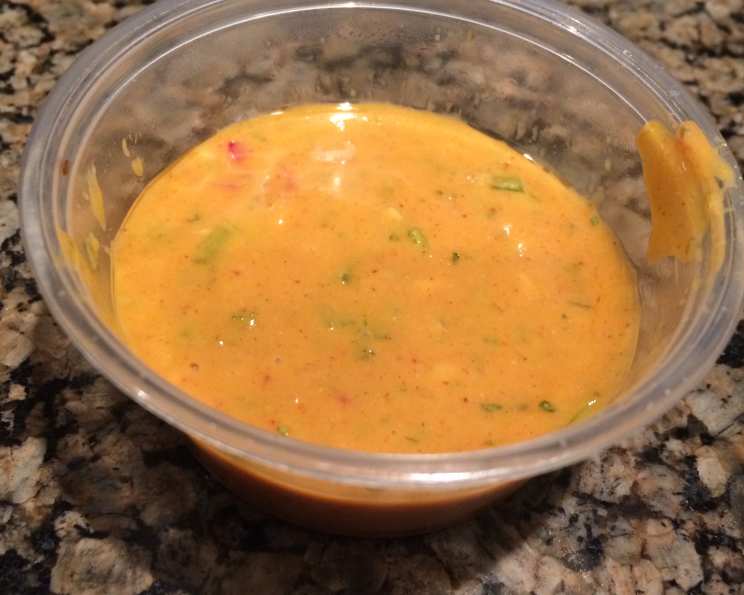
Emeril’s Remoulade: A Culinary Journey Back to New Orleans
My first taste of remoulade wasn’t in a fancy restaurant, but from a street vendor in New Orleans, tucked between a perfectly fried shrimp po’boy. The explosion of flavors – tangy, spicy, creamy – was a revelation. It wasn’t just a sauce; it was a taste of the city itself, a vibrant blend of cultures and traditions. That single bite ignited a lifelong fascination with Creole cuisine, and remoulade, in its many variations, has remained a constant companion in my culinary explorations. This recipe, inspired by Emeril Lagasse’s version, aims to capture that authentic taste with a slightly lighter touch, ensuring it complements rather than overwhelms.
Recipe Overview
- Prep Time: 15 minutes
- Cook Time: 0 minutes
- Total Time: 15 minutes
- Servings: 16
- Yield: About 2 cups
- Dietary Type: Varies depending on oil used; generally Dairy-Free
Ingredients
- 1/4 cup fresh lemon juice
- 1/2 cup vegetable oil (Note: Can substitute with a lighter olive oil for a slightly different flavor profile, but vegetable oil is traditional)
- 1/2 cup onion, chopped
- 1/2 cup green onion, chopped
- 1/4 cup celery, chopped
- 2 tablespoons garlic, chopped
- 2 tablespoons prepared horseradish
- 3 tablespoons whole grain mustard
- 3 tablespoons yellow mustard
- 3 tablespoons ketchup
- 3 tablespoons parsley, chopped
- 1 teaspoon kosher salt
- 1/4 teaspoon cayenne pepper
- 1/8 teaspoon fresh ground black pepper
Equipment Needed
- Food processor
- Measuring cups and spoons
- Cutting board
- Chef’s knife
- Airtight container for storage
Instructions
-
Prepare the Vegetables: Begin by finely chopping the onion, green onion, and celery. Mince the garlic. Accurate dicing ensures that the flavors meld seamlessly in the final product.
-
Combine Ingredients: In the bowl of a food processor, combine all the ingredients: the chopped onion, green onion, celery, minced garlic, fresh lemon juice, vegetable oil, prepared horseradish, whole grain mustard, yellow mustard, ketchup, chopped parsley, kosher salt, cayenne pepper, and fresh ground black pepper.
-
Process to Perfection: Secure the lid of the food processor and process for 30 seconds. This step is crucial to emulsify the mixture and create a smooth, cohesive sauce. You may need to scrape down the sides of the bowl once or twice to ensure all ingredients are fully incorporated. Avoid over-processing, as this can lead to a less desirable texture.
-
Taste and Adjust: After processing, taste the remoulade. Adjust the seasoning to your preference. If you prefer a spicier remoulade, add a pinch more cayenne pepper. For a tangier flavor, add a squeeze more lemon juice.
-
Serve or Store: Use the remoulade immediately, or transfer it to an airtight container for storage.
Expert Tips & Tricks
- Horseradish Heat: The intensity of prepared horseradish can vary. Start with the recommended amount and adjust to your preference. Freshly grated horseradish, while more potent, is a fantastic alternative if you can find it.
- Mustard Matters: Whole grain mustard adds a delightful textural element. If you don’t have it on hand, you can substitute with Dijon mustard, but the flavor will be slightly different.
- Oil Quality: While vegetable oil is traditional, using a high-quality, neutral-flavored oil can elevate the final product. A light olive oil or grapeseed oil are good options. Avoid oils with strong flavors, like extra virgin olive oil, as they can overpower the other ingredients.
- Spice Level: Cayenne pepper provides the remoulade’s characteristic heat. Adjust the amount to suit your taste. A pinch of hot sauce can also be added for an extra kick.
- Make Ahead Magic: Remoulade actually improves with time as the flavors meld together. Make it a day or two in advance for the best results.
Serving & Storage Suggestions
Remoulade is incredibly versatile. It’s traditionally served with seafood, especially fried shrimp or crab cakes. It’s also excellent as a dipping sauce for vegetables, as a spread for sandwiches, or as a dressing for salads.
- Serving: Serve chilled or at room temperature. Garnish with a sprinkle of fresh parsley or a lemon wedge for an elegant presentation.
- Storage: Store leftover remoulade in an airtight container in the refrigerator for up to 5 days. The flavor may intensify over time. Freezing is not recommended, as it can affect the texture.
Nutritional Information
(Estimated per 2 tablespoon serving)
| Nutrient | Amount per Serving | % Daily Value |
|---|---|---|
| Calories | 75 kcal | 4% |
| Total Fat | 7 g | 9% |
| Saturated Fat | 1 g | 5% |
| Cholesterol | 0 mg | 0% |
| Sodium | 250 mg | 11% |
| Total Carbohydrate | 3 g | 1% |
| Dietary Fiber | 0 g | 0% |
| Sugars | 1 g | – |
| Protein | 0 g | 0% |
Variations & Substitutions
- Spicy Remoulade: Add a pinch of smoked paprika or a dash of your favorite hot sauce for an extra layer of flavor.
- Creamy Remoulade: For a creamier texture, add a tablespoon or two of mayonnaise or sour cream. This will also mellow out the acidity.
- Herby Remoulade: Experiment with different herbs. Dill, tarragon, or chives can add unique flavor profiles.
- Vegan Remoulade: Substitute the ketchup with a vegan ketchup option, and ensure the mustards used are also vegan.
FAQs (Frequently Asked Questions)
Q: Can I make this remoulade without a food processor?
A: While a food processor creates the smoothest texture, you can finely chop all the ingredients and whisk them together in a bowl. The texture will be chunkier, but the flavor will still be delicious.
Q: How long does remoulade last in the refrigerator?
A: Properly stored in an airtight container, remoulade will last for up to 5 days in the refrigerator.
Q: Can I freeze remoulade?
A: Freezing is not recommended, as it can alter the texture and make the sauce watery.
Q: What is the difference between remoulade and tartar sauce?
A: Remoulade is typically more complex and spicier than tartar sauce, which is primarily mayonnaise-based with pickles and dill. Remoulade includes ingredients like mustard, horseradish, and various herbs and spices.
Q: Can I use dried herbs instead of fresh parsley?
A: Fresh parsley is preferred for its bright flavor, but if necessary, you can substitute with 1 tablespoon of dried parsley.
Final Thoughts
This remoulade recipe is your passport to the vibrant flavors of New Orleans. Whether you’re serving it alongside crispy fried shrimp, slathering it on a po’boy, or using it as a zesty dip, it’s sure to elevate your meal. Don’t be afraid to experiment with the ingredients and adjust the recipe to your personal taste. Most importantly, have fun in the kitchen, and enjoy the delicious results. Bon appétit, y’all!