
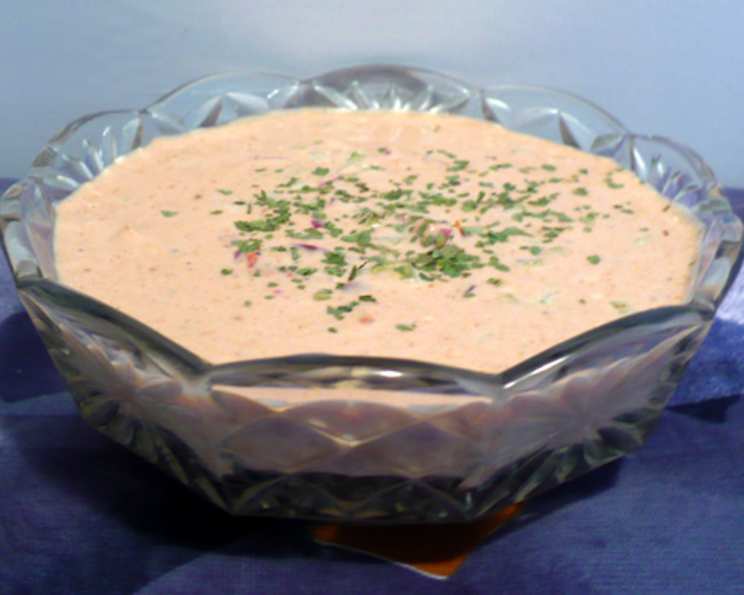
The Ultimate Remoulade Sauce: A Chef’s Secret
Remoulade. Just the name conjures up memories of sun-drenched afternoons on the Gulf Coast, the salty air thick with the scent of fried seafood and the joyous sounds of families gathered around picnic tables. My grandfather, a passionate fisherman, always had a jar of his homemade remoulade in the fridge, ready to elevate any humble oyster or crispy fried shrimp into a culinary masterpiece. He taught me that a truly great remoulade is more than just a sauce; it’s a vibrant explosion of flavors, a perfect balance of creamy, tangy, and spicy that transforms ordinary dishes into extraordinary experiences.
Recipe Overview
- Prep Time: 10 minutes
- Cook Time: 0 minutes
- Total Time: 10 minutes (plus chilling)
- Servings: Variable
- Yield: 2 1/2 cups
- Dietary Type: Varies (see variations)
Ingredients
- 4 tablespoons lemon juice
- 4 tablespoons red wine vinegar
- 2 tablespoons prepared mustard
- 4 tablespoons prepared horseradish
- 1 teaspoon salt
- ½ teaspoon pepper
- 2 teaspoons paprika
- 1 dash cayenne pepper
- ½ cup mayonnaise
- ½ cup finely chopped celery
- ½ cup minced green onion
- ½ cup seafood cocktail sauce
Equipment Needed
- Quart jar or airtight container
- Measuring spoons and cups
- Knife and cutting board
Instructions
- In a quart jar or other airtight container, combine the lemon juice, red wine vinegar, prepared mustard, prepared horseradish, salt, pepper, paprika, and cayenne pepper.
- Add the mayonnaise, finely chopped celery, minced green onion, and seafood cocktail sauce to the jar.
- Seal the jar tightly.
- Shake vigorously until all ingredients are thoroughly combined and the sauce appears smooth and uniform. Alternatively, whisk all ingredients together in a bowl until well combined.
- Chill the remoulade sauce in the refrigerator for at least one hour, or preferably overnight, to allow the flavors to meld and deepen. This resting period is crucial for achieving the best possible taste.
- Serve cold.
Expert Tips & Tricks
- Flavor Development: The key to a truly exceptional remoulade is allowing the flavors to marry. Preparing the sauce a day in advance significantly enhances its complexity and depth.
- Spice Adjustment: The cayenne pepper adds a subtle kick. Adjust the amount to your personal preference. For a milder sauce, omit it entirely. For a fiery version, add a pinch more or a dash of your favorite hot sauce.
- Herbaceous Boost: Fresh herbs can elevate your remoulade. Consider adding finely chopped parsley, dill, or tarragon for an extra layer of flavor. Start with a tablespoon of your chosen herb(s) and adjust to taste.
- Texture Play: Some prefer a smoother remoulade. For a creamier consistency, blend all the ingredients in a food processor or blender after mixing. Pulse until desired smoothness is achieved. Be careful not to over-process, as this can make the mayonnaise separate.
- Horseradish Heat: Prepared horseradish varies in potency. Taste your horseradish before adding it and adjust the quantity accordingly. Start with less and add more to achieve your desired level of heat.
- Homemade Mayonnaise: For the ultimate remoulade experience, consider making your own mayonnaise. While it requires more effort, the resulting flavor is unparalleled.
- Sweetness: If you prefer a sweeter remoulade, you can add a teaspoon of sugar or honey. Taste and adjust as needed.
- Vegetable Prep: Ensure the celery and green onion are finely chopped for even distribution of flavor and texture throughout the sauce.
Serving & Storage Suggestions
Remoulade sauce is incredibly versatile. It’s traditionally served with fried seafood, such as shrimp, oysters, and fish, but its uses extend far beyond that.
- Serving Ideas:
- As a dipping sauce for French fries, onion rings, or vegetable sticks.
- As a spread for sandwiches and wraps, particularly those featuring roast beef, turkey, or vegetarian fillings.
- As a dressing for salads, adding a zesty and flavorful twist.
- Served alongside crab cakes, po’boys, or grilled vegetables.
- Dolloped on top of deviled eggs for an extra layer of flavor.
- Storage: Store leftover remoulade sauce in an airtight container in the refrigerator. It will keep for up to 5 days. Due to the mayonnaise content, it is not recommended to freeze remoulade, as the texture will degrade upon thawing. Discard if there are any signs of spoilage, such as an off odor or discoloration. Remoulade should always be stored cold for safety and to prevent bacterial growth.
Nutritional Information
Please note that the following nutritional information is an estimate and may vary based on specific ingredient brands and preparation methods.
| Nutrient | Amount per Serving (approx. 2 tablespoons) | % Daily Value* |
|---|---|---|
| Calories | 120 kcal | 6% |
| Total Fat | 11g | 17% |
| Saturated Fat | 1.5g | 8% |
| Cholesterol | 5mg | 2% |
| Sodium | 350mg | 15% |
| Total Carbohydrate | 5g | 2% |
| Dietary Fiber | 0g | 0% |
| Sugars | 3g | |
| Protein | 1g | 2% |
*Based on a 2,000-calorie diet.
Variations & Substitutions
- Spicy Remoulade: Increase the amount of cayenne pepper or add a few drops of your favorite hot sauce (such as Tabasco or Crystal). Consider adding a pinch of smoked paprika for a deeper smoky flavor.
- Creole Remoulade: Add a tablespoon of Creole mustard for a more complex and tangy flavor. Finely chopped bell peppers and a dash of Worcestershire sauce are also traditional additions.
- Vegan Remoulade: Substitute the mayonnaise with a vegan mayonnaise alternative. Ensure the seafood cocktail sauce is also vegan-friendly or replace it with a blend of ketchup, horseradish, and a dash of liquid smoke.
- Low-Carb Remoulade: Use a sugar-free cocktail sauce and a mayonnaise made with avocado oil. Be mindful of the carbohydrate content in the celery and green onion.
- Herbaceous Remoulade: Incorporate fresh herbs like parsley, chives, or dill for a brighter and more aromatic flavor profile.
- Mediterranean Remoulade: Add a tablespoon of chopped capers, a squeeze of lemon zest, and a pinch of dried oregano for a Mediterranean twist.
FAQs (Frequently Asked Questions)
Q: How long does remoulade sauce last in the refrigerator?
A: Remoulade sauce will keep in the refrigerator for up to 5 days when stored in an airtight container. Ensure it’s properly chilled to maintain freshness and prevent bacterial growth.
Q: Can I freeze remoulade sauce?
A: Freezing is not recommended, as the mayonnaise-based sauce tends to separate and become watery upon thawing, compromising its texture and flavor.
Q: Can I make remoulade sauce without seafood cocktail sauce?
A: Yes, you can substitute the cocktail sauce with a mixture of ketchup, horseradish, Worcestershire sauce, and a pinch of cayenne pepper. Adjust the quantities to achieve your desired flavor profile.
Q: Is remoulade sauce naturally gluten-free?
A: Yes, the basic recipe is gluten-free. However, always check the labels of your ingredients (especially the prepared mustard, horseradish, and cocktail sauce) to ensure they are certified gluten-free if necessary.
Q: Can I use dried herbs instead of fresh herbs in remoulade sauce?
A: While fresh herbs provide the best flavor, you can use dried herbs in a pinch. Use about 1 teaspoon of dried herbs for every tablespoon of fresh herbs. Remember that the flavor of dried herbs is more concentrated, so use sparingly.
Final Thoughts
Now that you have this recipe, you’re ready to bring a little bit of Louisiana sunshine to your own kitchen. Don’t be afraid to experiment with the variations and make this remoulade sauce your own signature creation. Whether you’re serving it with crispy fried seafood, slathering it on a po’boy, or simply using it as a flavorful dip for vegetables, this remoulade sauce is guaranteed to be a crowd-pleaser. So, grab your ingredients, get mixing, and prepare to taste the magic! Share your remoulade creations and pairings – I’d love to hear how you’re enjoying this classic sauce!