
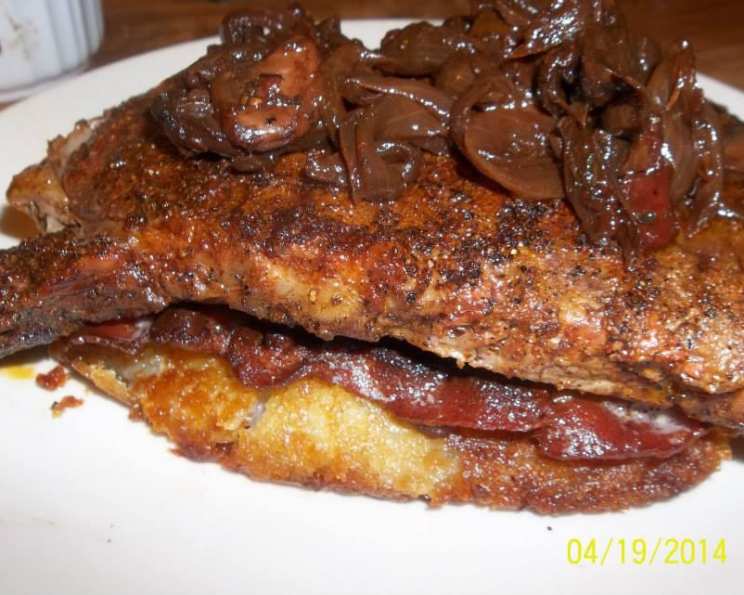
Rib-Eye Steaks That are Superb
My dad was a man of simple pleasures, and a perfectly cooked rib-eye was at the top of his list. I can still picture him standing at the grill, tongs in hand, a slight smile playing on his lips as he listened to the sizzle of the meat. He always said a great steak was about quality ingredients and not overcomplicating things, a philosophy that’s stuck with me in the kitchen and in life. This recipe reminds me of those summer evenings, the smoky aroma filling the air, and the pure joy of sharing a fantastic meal with family.
Recipe Overview
- Prep Time: 35 minutes
- Cook Time: 6-7 minutes
- Total Time: 41-42 minutes
- Servings: 4-6
- Yield: 4 steaks
- Dietary Type: Gluten-Free, Dairy-Free
Ingredients
- 32 ounces boneless rib eye steaks, 1 inch thick (4 steaks)
- 1 tablespoon freshly cracked black pepper, coarse
- 1 teaspoon granulated garlic powder (optional)
- 1 1/2 tablespoons kosher salt or 1 1/2 tablespoons coarse sea salt
Equipment Needed
- Iron skillet or heavy-bottomed frying pan
- Tongs
- Plate
- Aluminum foil
Instructions
-
Remove the steaks from the refrigerator and let them sit for about 30 minutes. This allows the chill to dissipate, ensuring more even cooking. Tempering the meat in this way helps it cook more evenly from edge to center.
-
Now, generously coat both sides of the steaks with coarse black pepper and granulated garlic powder (if using). Make sure to press the seasoning gently into the meat for better adherence.
-
Heat an iron skillet or a heavy-bottomed frying pan over high heat until it is very hot. The skillet needs to be screaming hot to achieve a beautiful sear. A well-seasoned cast iron skillet works best for even heat distribution and optimal searing.
-
For each steak, sprinkle 3/4 teaspoon of coarse salt onto the hot skillet. Allow the salt to heat up for at least 1 minute before adding the steak. Heating the salt first helps to draw out moisture and create a better crust. Ensure even distribution of the salt for uniform seasoning.
-
Place the steaks on the hot coarse salt and cook for 3 minutes. It’s crucial not to disturb the steaks during this initial searing period. Resist the urge to peek or move them. This is where the magic happens – the Maillard reaction creates a delicious crust.
-
Turn the steaks over and cook for an additional 3 minutes. Again, do not disturb the steaks at all. Let them sear undisturbed for another 3 minutes on the second side. This ensures a beautiful sear on both sides of the steak.
-
The cooking time of 6 minutes in total will yield a medium-rare steak. If you prefer your steak cooked to medium, cook for an additional 30 seconds to 1 minute per side. Use a meat thermometer to accurately gauge the internal temperature; 130-135°F for medium-rare, 135-145°F for medium.
-
Remove the steaks to a plate, cover them loosely with aluminum foil, and let them rest for 5 minutes. Resting the meat is essential. During cooking, the juices are forced to the center of the steak. Resting allows these juices to redistribute throughout, resulting in a more tender and flavorful steak.
-
Scrape off any excess coarse pepper and salt from the steaks if desired. This step is optional and depends on your preference.
-
I prefer to slice the steaks on an angle about 1/4 inch to 3/8 inch thick. Slicing against the grain makes the steak more tender and easier to chew.
-
Serve immediately with freshly processed horseradish, if desired.
Important Notes:
- Make sure that the heat is on as HIGH as possible without burning at all times during cooking the steaks. The appropriate heat level will vary depending on your cooktop.
- Do not use ordinary table salt. Coarse salt is essential for drawing out moisture and creating a good sear.
- Beef Tenderloin steaks are also excellent cooked in this manner. If using a steak thicker than 1 inch, add 1 extra minute per side for medium-rare.
Expert Tips & Tricks
- Pat the steaks dry: Before seasoning, pat the steaks dry with paper towels. This removes excess moisture and promotes better searing.
- Use a meat thermometer: For perfect doneness, use a meat thermometer. Insert it into the thickest part of the steak, avoiding bone.
- Don’t overcrowd the pan: If your skillet isn’t large enough to accommodate all the steaks without overcrowding, cook them in batches to maintain high heat and ensure proper searing.
- Compound Butter Boost: Elevate your steak with a pat of compound butter. Mix softened butter with herbs, garlic, and spices for a flavor explosion.
- Reverse Sear: For an even more tender result, try reverse searing. Cook the steak at a low temperature in the oven until it’s almost at your desired doneness, then sear it in the hot skillet for a perfect crust.
Serving & Storage Suggestions
Serve the rib-eye steaks immediately after resting. They pair beautifully with classic sides like mashed potatoes, roasted vegetables, or a simple green salad. A dollop of horseradish or a drizzle of chimichurri sauce adds a flavorful finishing touch.
Leftover steak should be stored in an airtight container in the refrigerator within 2 hours of cooking. It will last for 3-4 days. To reheat, warm it gently in a skillet over low heat or in a 300°F oven to prevent drying out. Slicing the steak before reheating helps it warm more evenly.
Nutritional Information
| Nutrient | Amount per Serving | % Daily Value |
|---|---|---|
| Calories | 626.9 kcal | N/A |
| Calories from Fat | 451 g | 72% |
| Total Fat | 50.2 g | 77% |
| Saturated Fat | 20.5 g | 102% |
| Cholesterol | 154.5 mg | 51% |
| Sodium | 2743.7 mg | 114% |
| Total Carbohydrate | 1.1 g | 0% |
| Dietary Fiber | 0.4 g | 1% |
| Sugars | 0 g | 0% |
| Protein | 40 g | 79% |
Variations & Substitutions
- Spice Rub: Experiment with different spice rubs. Try a combination of smoked paprika, chili powder, cumin, and brown sugar for a smoky, sweet flavor.
- Herb Crust: Before searing, press fresh herbs like rosemary, thyme, and oregano into the steak for an aromatic crust.
- Marinade: Marinate the steak for at least 30 minutes or up to 4 hours for added flavor and tenderness. A simple marinade of olive oil, balsamic vinegar, garlic, and herbs works well.
- Different Cuts: While this recipe is specifically for rib-eye, it can also be adapted for other steak cuts like New York strip or sirloin, adjusting cooking times as needed.
- Salt Alternatives: If you are watching your sodium intake, try using a salt substitute or reducing the amount of salt in the recipe.
FAQs (Frequently Asked Questions):
Q: Why is it important to let the steak sit at room temperature before cooking?
A: Allowing the steak to temper for about 30 minutes helps it cook more evenly, preventing a cold center and overcooked exterior.
Q: Can I use regular table salt instead of kosher or sea salt?
A: No, coarse salt is preferred as it draws out moisture more effectively and creates a better crust compared to table salt, which can dissolve too quickly.
Q: How can I tell if my skillet is hot enough before adding the steak?
A: The skillet is ready when a drop of water flicked into it immediately sizzles and evaporates. You can also test it by holding your hand a few inches above the skillet; it should feel intensely hot.
Q: What if I don’t have an iron skillet?
A: A heavy-bottomed stainless steel or cast iron skillet can be used instead. Ensure the pan is preheated well for best results.
Q: How do I prevent my steak from drying out after cooking?
A: Resting the steak, uncovered with foil, for 5 minutes is crucial. It allows the juices to redistribute, resulting in a more tender and flavorful steak. Also, avoid overcooking the steak in the first place.
Final Thoughts
This recipe is more than just a set of instructions; it’s a gateway to creating a truly memorable meal. The sear, the aroma, the first bite – it’s an experience that engages all the senses. Don’t be intimidated by the simplicity; embrace it. I encourage you to try this recipe, make it your own, and share the joy of a superb rib-eye steak with your loved ones. Whether you pair it with a bold Cabernet Sauvignon or a crisp green salad, the star of the show will undoubtedly be the perfectly cooked steak. And please, let me know how it turns out! I’m always eager to hear your feedback and culinary adventures.