
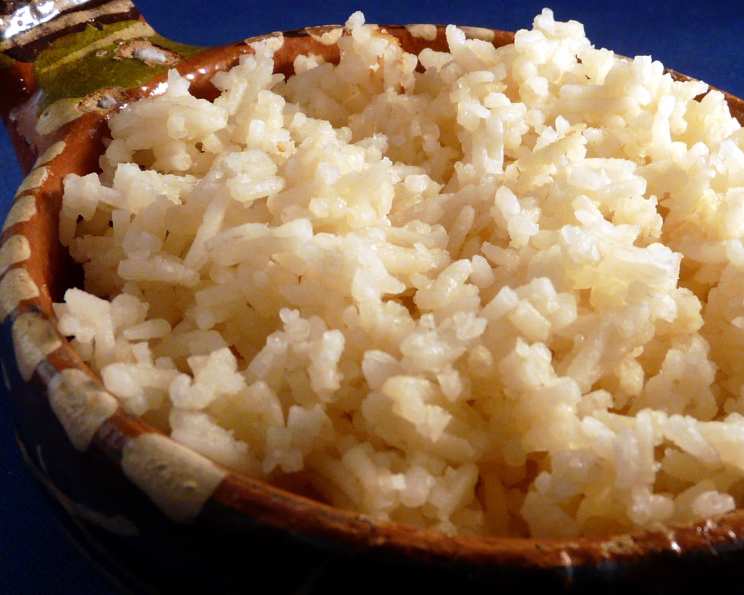
Wali Wa Nazi: Aromatic Coconut Rice from the Swahili Coast
The scent of coconut rice always transports me back to a small cafe in Zanzibar. The air, thick with the aroma of spices and the salty tang of the ocean, mingled with the sweet fragrance of the rice simmering on the stove. That first bite was pure bliss – fluffy grains infused with the richness of coconut milk, a subtle sweetness balanced by a hint of salt. It was simple, yet utterly captivating, a taste of the Swahili coast that I’ve been chasing ever since. This Wali Wa Nazi, or coconut rice, aims to capture that magic.
Recipe Overview
- Prep Time: 5 minutes
- Cook Time: 30 minutes
- Total Time: 35 minutes
- Servings: 4
- Dietary Type: Vegan
Ingredients
- 2 cups coconut milk
- 2 3/4 cups water
- 2 cups rice
- 1 teaspoon salt
Equipment Needed
- Medium-sized saucepan or pot
- Tight-fitting lid
Instructions
- Begin by preparing the rice. Clean and wash it thoroughly under cold water until the water runs clear. This removes excess starch and helps to ensure a fluffier final product.
- In a medium-sized saucepan or pot, combine the coconut milk and water. Bring this mixture to a boil over medium-high heat. Keep a close eye on it, as coconut milk can sometimes boil over quickly.
- Once the liquid is boiling, gently pour in the rice and add the salt. Stir to ensure the salt is evenly distributed.
- Allow the mixture to cook on medium heat, uncovered, until most of the liquid has been absorbed. You’ll notice the surface becoming drier and the rice grains starting to appear. This usually takes about 15-20 minutes.
- When the rice is nearly dry, cover the pot tightly with a lid. Reduce the heat to the lowest setting possible and allow the rice to steam for 10 minutes. It’s crucial to keep the lid on during this time to trap the steam and ensure the rice cooks evenly.
- After 10 minutes, remove the pot from the heat and let it rest for another 5 minutes, still covered. This final resting period allows the steam to redistribute and the rice to finish cooking without becoming mushy.
- Finally, fluff the rice gently with a fork before serving. This separates the grains and ensures a light and airy texture.
Alternative Method (Rice Cooker): If you prefer, you can use a rice cooker. Simply combine all of the ingredients – the rice, coconut milk, water, and salt – in the rice cooker according to the manufacturer’s instructions. Turn the rice cooker on and let it do its job! Keep a close eye on it during the cooking process to make sure it doesn’t burn; add more water if needed to keep it from burning.
Expert Tips & Tricks
- Rinsing the Rice: Don’t skip the step of rinsing the rice. This simple act significantly improves the texture of the final dish.
- Coconut Milk Quality: The quality of the coconut milk can impact the flavor. Use full-fat coconut milk for a richer, more flavorful rice. Avoid using “lite” coconut milk, as it lacks the fat content needed for the best results.
- Adjusting Liquid: Depending on the type of rice you use, you may need to adjust the amount of liquid slightly. If the rice is still too firm after the initial cooking time, add a little more water, about ¼ cup at a time, and continue cooking until tender.
- Preventing Burning: To prevent the rice from burning on the bottom of the pot, use a heavy-bottomed saucepan and keep the heat on low once you’ve covered the pot.
- Flavor Enhancements: For a more complex flavor, consider adding a pandan leaf (screwpine leaf) to the pot while the rice is cooking. Pandan leaves impart a subtle, sweet aroma that complements the coconut milk beautifully. Remove the leaf before serving. You could also add a small piece of ginger or a cinnamon stick for a warmer, spicier note. Remember to remove these before serving!
- Make Ahead: Coconut rice can be made a day in advance. Store it in an airtight container in the refrigerator and reheat it gently before serving.
Serving & Storage Suggestions
Wali Wa Nazi is a versatile dish that pairs well with a variety of cuisines. In Swahili cuisine, it is traditionally served with curries, grilled fish, or stews. It’s an excellent accompaniment to dishes like fish curry, chicken biryani, or even roasted vegetables.
Serve the rice warm, garnished with fresh herbs like cilantro or parsley, if desired. A sprinkle of toasted coconut flakes can also add a nice textural contrast.
Leftover coconut rice can be stored in an airtight container in the refrigerator for up to 3 days. To reheat, add a tablespoon or two of water or coconut milk to the rice and microwave it in short intervals, stirring in between, until heated through. Alternatively, you can reheat it in a saucepan over low heat, stirring frequently to prevent sticking.
Freezing is not generally recommended, as the texture of the rice can change upon thawing, becoming somewhat mushy. However, if you must freeze it, spread the cooked rice in a single layer on a baking sheet and freeze until solid. Then, transfer the frozen rice to a freezer-safe bag or container. To reheat, thaw completely in the refrigerator and then follow the reheating instructions above.
Nutritional Information
| Nutrient | Amount per Serving | % Daily Value |
|---|---|---|
| Calories | 450 kcal | 23% |
| Total Fat | 20g | 31% |
| Saturated Fat | 18g | 90% |
| Cholesterol | 0 mg | 0% |
| Sodium | 230 mg | 10% |
| Total Carbohydrate | 60g | 20% |
| Dietary Fiber | 2g | 7% |
| Sugars | 5g | – |
| Protein | 5g | 10% |
Note: Nutritional information is an estimate and may vary based on specific ingredients and portion sizes.
Variations & Substitutions
- Different Rice Varieties: While long-grain white rice is traditionally used, you can experiment with other types of rice, such as basmati or jasmine rice, for a slightly different flavor and texture.
- Spices: Add a bay leaf or a star anise to the cooking liquid for a subtle aromatic twist. A pinch of turmeric will add a beautiful golden color and a hint of earthiness.
- Sweet Coconut Rice: For a sweeter version, add a tablespoon or two of sugar or honey to the coconut milk mixture before cooking. This is often enjoyed as a dessert.
- Savory Coconut Rice with Vegetables: Sauté some diced vegetables, such as carrots, peas, and corn, in coconut oil before adding the rice and coconut milk. This makes for a heartier and more nutritious dish.
- Coconut Cream: For an extra decadent and rich flavor, substitute some of the coconut milk with coconut cream. This will result in a creamier and more intensely flavored rice.
FAQs (Frequently Asked Questions)
Q: Can I use brown rice for this recipe?
A: Yes, you can use brown rice, but you’ll need to adjust the cooking time and the amount of liquid. Brown rice typically requires more liquid and a longer cooking time than white rice. Add an extra cup of water and increase the cooking time by about 20-30 minutes.
Q: My rice is sticking to the bottom of the pot. What am I doing wrong?
A: Sticking can occur if the heat is too high or if there isn’t enough liquid. Ensure you’re using a heavy-bottomed pot and that the heat is on low once the rice is covered. You can also try adding a little more water if you notice the rice is drying out too quickly.
Q: How do I know when the rice is cooked properly?
A: The rice is cooked when it’s tender and all the liquid has been absorbed. You should be able to fluff it easily with a fork without it being mushy or sticky.
Q: Can I make this recipe without salt?
A: Yes, you can omit the salt if you prefer a sodium-free dish. However, the salt helps to balance the sweetness of the coconut milk and enhance the overall flavor.
Q: Can I use canned coconut milk?
A: Yes, canned coconut milk works perfectly well in this recipe. Just make sure to shake the can well before opening to ensure the milk and cream are evenly mixed.
Final Thoughts
This Wali Wa Nazi recipe is a simple yet elegant way to bring the flavors of the Swahili coast to your table. It’s a dish that’s both comforting and exotic, perfect for weeknight meals or special occasions. I encourage you to give it a try and experience the unique taste of coconut-infused rice. Don’t be afraid to experiment with different variations and find your own perfect combination of flavors. And please, share your creations and feedback – I’d love to hear how it turns out for you! Perhaps pair it with a fragrant vegetable curry for a complete and satisfying meal. Enjoy!