
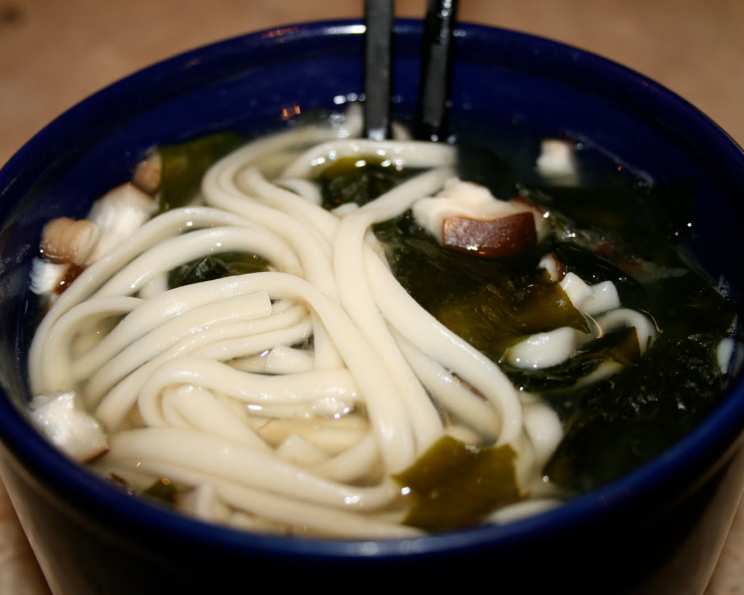
Rice Cooker Asian Noodle Soup: Effortless Comfort in a Bowl
The rhythmic hiss and gentle bubbling of a rice cooker often transport me back to my tiny Tokyo apartment. After long days spent exploring bustling markets and hidden ramen shops, I’d crave a simple, nourishing meal. This rice cooker noodle soup is a direct descendant of those evenings – a humble yet satisfying dish born from convenience and a deep appreciation for umami. It’s more than just a quick meal; it’s a warm hug in a bowl, a taste of home wherever I am.
Recipe Overview
- Prep Time: 5 minutes
- Cook Time: 6 minutes
- Total Time: 11 minutes
- Servings: 1
- Yields: 1 bowl
- Dietary Type: Varies (easily adaptable to vegan/vegetarian)
Ingredients
- 4 cups water
- 2 tablespoons dried wakame seaweed
- ¼ cup bonito flakes
- 1 large shiitake mushroom
- 1 ½ ounces udon noodles
- 1 ½ ounces soba noodles
Equipment Needed
- Rice Cooker
- Soup bowl
Instructions
- Pour the water into the rice cooker.
- Turn the rice cooker on to the “cook” setting.
- Add the dried wakame seaweed, bonito flakes, and shiitake mushroom to the water.
- Add the udon noodles and soba noodles to the water. It’s perfectly fine if the noodles initially stick out of the water; they will soften and submerge as the water heats up.
- Allow the ingredients to boil until the noodles reach your preferred level of doneness. This usually takes around 6 minutes.
- Once the noodles are cooked to your desired consistency, turn off the rice cooker.
- Carefully ladle the soup into a bowl and serve.
- Optional: Add soba sauce, furikake, or other toppings as desired.
Expert Tips & Tricks
- Blooming the Wakame: For a more intense seaweed flavor, soak the dried wakame seaweed in a small amount of cold water for about 5 minutes before adding it to the rice cooker. This allows it to rehydrate and release more of its natural flavors.
- Bonito Flakes Boost: If you want to maximize the umami from the bonito flakes, you can lightly toast them in a dry pan over medium heat for a minute or two before adding them to the soup. Be careful not to burn them!
- Mushroom Matters: Don’t just toss the shiitake mushroom in whole! Slice it thinly to allow its earthy flavor to infuse the broth more effectively. You can also use dried shiitake; just rehydrate them in warm water before adding them to the rice cooker. Reserve the mushroom soaking water and add it to the soup for extra flavor.
- Noodle Nuances: Keep a close eye on the noodles as they cook. Different brands and types of noodles can cook at varying speeds. Undercooking is better than overcooking in this case, as the noodles will continue to cook slightly even after you turn off the rice cooker.
- Spice it Up: Add a pinch of red pepper flakes or a dash of chili oil for a touch of heat.
- Adjust the Broth: Taste the broth as it cooks and adjust the seasonings to your liking. A splash of soy sauce or a pinch of salt can enhance the flavor.
- Vegan Variation: To make this soup vegan, simply omit the bonito flakes and use a vegan dashi or vegetable broth base.
Serving & Storage Suggestions
This Rice Cooker Asian Noodle Soup is best enjoyed immediately while the noodles are still tender and the broth is hot. Garnish with your favorite toppings, such as sliced green onions, sesame seeds, a soft-boiled egg (if not vegan), or a drizzle of sesame oil.
Leftovers can be stored in an airtight container in the refrigerator for up to 2 days. Be aware that the noodles will continue to absorb the broth and may become softer over time. To reheat, gently warm the soup in a pot on the stovetop or in the microwave. Add a little extra water if needed to compensate for the absorbed broth. Freezing is not recommended as the noodles will become mushy upon thawing.
Nutritional Information
| Nutrient | Amount per Serving | % Daily Value |
|---|---|---|
| Calories | 303.6 kcal | N/A |
| Calories from Fat | 6 g | 2% |
| Total Fat | 0.8 g | 1% |
| Saturated Fat | 0.1 g | 0% |
| Cholesterol | 0 mg | 0% |
| Sodium | 1155.7 mg | 48% |
| Total Carbohydrate | 65.1 g | 21% |
| Dietary Fiber | 2.4 g | 9% |
| Sugars | 0.5 g | 2% |
| Protein | 11.5 g | 23% |
Note: Nutritional information is an estimate and may vary based on specific ingredients and portion sizes.
Variations & Substitutions
- Protein Power: Add cooked chicken, shrimp, tofu, or sliced pork for extra protein.
- Vegetable Variety: Include other vegetables like bok choy, spinach, napa cabbage, bean sprouts, or carrots.
- Noodle Swap: Experiment with different types of Asian noodles such as ramen, glass noodles, or rice noodles. Adjust cooking time accordingly.
- Broth Base: Use chicken broth, vegetable broth, or dashi (Japanese soup stock) instead of water for a richer flavor.
- Flavor Boosters: Add a spoonful of miso paste, soy sauce, fish sauce, or sesame oil to enhance the broth’s flavor.
- Spicy Kick: Add a few drops of Sriracha or gochujang (Korean chili paste) for a spicy twist.
- Gluten-Free: Substitute the soba and udon noodles for gluten-free rice noodles. Be sure to double-check that any soba sauce you add as a topping is also gluten-free.
FAQs (Frequently Asked Questions)
Q: Can I use regular dried seaweed instead of wakame?
A: Yes, you can use other types of dried seaweed, but wakame has a milder flavor and a pleasant texture that works well in this soup.
Q: Can I make this ahead of time?
A: While the broth can be made ahead, it’s best to cook the noodles just before serving to prevent them from becoming soggy.
Q: Can I use fresh noodles instead of dried?
A: Yes, fresh noodles will work. Reduce the cooking time accordingly, as they cook faster than dried noodles.
Q: How do I prevent the noodles from sticking together?
A: Stir the noodles gently while they cook to prevent them from clumping. Adding a small amount of oil to the water can also help.
Q: Is it safe to cook other foods with my rice cooker?
A: This recipe is relatively safe, as it only requires using the normal cooking setting. Never put any food in the rice cooker that could spill over the sides or clog the steam valve.
Final Thoughts
This Rice Cooker Asian Noodle Soup is a testament to the fact that delicious and comforting meals don’t have to be complicated. It’s a versatile recipe that can be easily adapted to your preferences and whatever ingredients you have on hand. So, gather your ingredients, fire up your rice cooker, and get ready to enjoy a warm and satisfying bowl of goodness. Don’t be afraid to experiment with different flavors and toppings to create your own signature version. And, of course, I’d love to hear about your culinary adventures – share your feedback and variations in the comments below!