
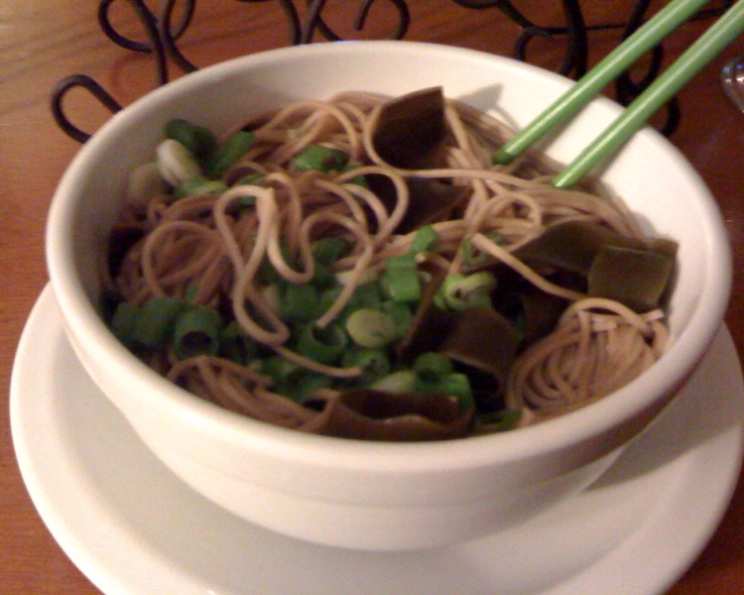
Rice Cooker Asian Noodle Soup With Tofu: A Weeknight Wonder
I remember the first time I made noodle soup in a rice cooker. It was a chilly evening, I was a broke college student, and my tiny dorm room kitchen consisted solely of a microwave and, yes, a rice cooker. I craved something warm, comforting, and flavorful, but the thought of washing a bunch of pots and pans filled me with dread. That’s when inspiration struck – could I possibly conjure up a decent soup in my trusty rice cooker? The answer, surprisingly, was a resounding yes! The simplicity and minimal cleanup blew me away, and I’ve been experimenting with rice cooker soups ever since. This Asian Noodle Soup with Tofu is a direct descendant of that initial dorm-room experiment – a delicious, satisfying meal made with minimal effort.
Recipe Overview
- Prep Time: 5 minutes
- Cook Time: 6 minutes
- Total Time: 11 minutes
- Servings: 1
- Yields: 1 bowl
- Dietary Type: Vegan
Ingredients
- 4 cups water
- 2 tablespoons wakame seaweed
- 1/4 cup bonito flakes
- 1 large shiitake mushroom
- 2 ounces firm tofu
- 1 1/2 ounces udon noodles
- 1 1/2 ounces soba noodles
Equipment Needed
- Rice cooker
Instructions
- Pour 4 cups of water into the rice cooker.
- Turn the rice cooker to the “cook” setting.
- Carefully add all the remaining ingredients to the water in the following order: wakame seaweed, bonito flakes, shiitake mushroom, firm tofu, udon noodles, and soba noodles.
- Allow the soup to come to a boil. It’s perfectly fine if the noodles initially stick out of the water; they will soften and submerge as the water heats up.
- Continue to cook until the noodles reach your desired consistency, approximately 6 minutes.
- Once the noodles are cooked, turn off the rice cooker.
- Carefully ladle the soup into a bowl and serve immediately.
- You can garnish with soba sauce, furikake, or other toppings as you wish.
Expert Tips & Tricks
- Tofu Texture: For a chewier tofu, press it firmly between paper towels for about 30 minutes to remove excess water before adding it to the soup. You can also lightly pan-fry the tofu for a golden crust.
- Noodle Choice: Feel free to experiment with different types of Asian noodles like ramen, rice noodles, or glass noodles. Adjust the cooking time accordingly, as different noodles have varying cooking times.
- Flavor Boost: Add a teaspoon of sesame oil or a dash of chili oil to the soup for an extra layer of flavor.
- Wakame Seaweed: Wakame can be quite salty, so start with a smaller amount and adjust to taste. You can also use other types of seaweed like nori or kombu.
- Bonito Flakes: While bonito flakes add a lovely umami flavor, they aren’t vegetarian. For a vegetarian/vegan option, omit the bonito flakes or substitute with a teaspoon of mushroom powder.
- To intensify the broth, consider adding a small piece of kombu (dried kelp) at the beginning. Remove the kombu before serving, as it can become chewy.
- If you like a thicker broth, you can add a slurry of cornstarch and water towards the end of the cooking time. Start with 1 tablespoon of cornstarch mixed with 2 tablespoons of cold water.
- Don’t overcrowd the rice cooker. If you’re making a larger batch, consider cooking in batches to ensure even cooking and prevent overflow.
Serving & Storage Suggestions
Serve this Rice Cooker Asian Noodle Soup hot, straight from the rice cooker. Garnish with your favorite toppings like sliced scallions, toasted sesame seeds, a soft-boiled egg (if you’re not vegan), or a drizzle of sriracha for a spicy kick.
Leftovers can be stored in an airtight container in the refrigerator for up to 2 days. Be aware that the noodles will continue to absorb the broth, so they may become softer. To reheat, gently warm the soup in a saucepan over medium heat or in the microwave, adding a little water if necessary to thin the broth. Freezing is not recommended, as the noodles and tofu will become mushy upon thawing.
Nutritional Information
| Nutrient | Amount per Serving | % Daily Value |
|---|---|---|
| Calories | 343 kcal | N/A |
| Fat | 3.1g | 4% |
| Saturated Fat | 0.6g | 3% |
| Cholesterol | 0mg | 0% |
| Sodium | 1162.5mg | 48% |
| Carbohydrate | 66.1g | 22% |
| Fiber | 2.9g | 11% |
| Sugars | 0.9g | 3% |
| Protein | 16.1g | 32% |
Note: Nutritional information is an estimate and may vary based on specific ingredients used.
Variations & Substitutions
- Gluten-Free: Use gluten-free soba noodles or rice noodles. Tamari can be used in place of soy sauce in a soba sauce topping if needed.
- Vegetarian/Vegan Bonito Flake Substitute: As mentioned above, omit the bonito flakes or use mushroom powder for an umami flavor. You can also use a small piece of dried kombu for a richer broth.
- Spicy Kick: Add a pinch of red pepper flakes or a drizzle of chili oil to the soup.
- Vegetable Variations: Add other vegetables like bok choy, spinach, carrots, or bean sprouts.
- Protein Boost: Add edamame, tempeh, or more tofu for a higher protein content.
- Broth Variations: Experiment with different broths like vegetable broth, mushroom broth, or even a miso broth.
FAQs (Frequently Asked Questions)
Q: Can I use instant noodles in this recipe?
A: While you can use instant noodles, keep in mind that they often contain high levels of sodium and additives. If you do use them, reduce or eliminate any additional salt or seasonings in the recipe. It’s recommended to use fresh or dried noodles for better flavor and nutrition.
Q: Can I add meat to this soup?
A: Absolutely! Cooked chicken, pork, or shrimp can be added to the soup. For raw meat, ensure it’s thinly sliced and fully cooked through before serving. Adding the meat at the same time as the tofu is recommended.
Q: My noodles are sticking together. What should I do?
A: Toss the noodles with a small amount of oil before adding them to the rice cooker to prevent sticking. Stir the soup occasionally during cooking to separate the noodles.
Q: Can I make this soup ahead of time?
A: It’s best to consume this soup immediately after cooking, as the noodles will continue to absorb the broth and become soft. If you need to make it ahead of time, cook the noodles separately and add them to the broth just before serving.
Q: What kind of tofu should I use?
A: Firm or extra-firm tofu works best in this recipe, as it holds its shape during cooking. Silken tofu will fall apart easily.
Final Thoughts
This Rice Cooker Asian Noodle Soup with Tofu is a testament to the fact that delicious, satisfying meals don’t have to be complicated or time-consuming. It’s a fantastic way to use your rice cooker for something beyond just cooking rice, and it’s incredibly adaptable to your personal preferences and dietary needs. So, gather your ingredients, dust off that rice cooker, and get ready to enjoy a warm, comforting bowl of homemade goodness. I encourage you to experiment with different variations and share your creations with me! Happy cooking!