
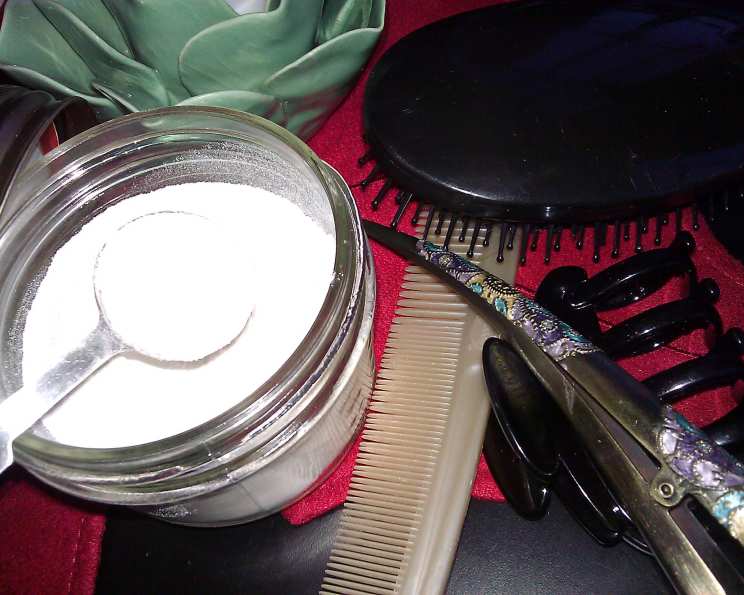
DIY Rice Flour Dry Shampoo: A Natural Hair Refresh
There’s a scent, a feeling, that snaps me right back to childhood summers spent at my grandmother’s. It’s the scent of her lilac bushes blooming, mingling with the faint, sweet aroma of rice powder she’d use on her own hair. I remember watching her in the bathroom, a cloud of the white powder puffing around her as she applied it, and the way her silver hair would instantly look refreshed and voluminous. It seemed like magic, and now, years later, it still is. The memory is comforting, and this recipe, passed down through generations, brings a little bit of that magic back to my own routine.
Recipe Overview
- Prep Time: 5 minutes
- Yields: 5 oz.
- Dietary Type: Vegan, Gluten-Free
Ingredients
- ½ cup rice flour or ½ cup cornflour
- 1 teaspoon baking soda
- 1 tablespoon borax
Equipment Needed
- Small mixing bowl
- Sifter or fine-mesh sieve (optional)
- Makeup brush or powder brush
- Airtight container for storage
Instructions
- Before you begin, it’s best to prepare for a potentially messy application. Stand over a sink, head outside into the garden, or lay down an old towel to catch any stray powder.
- In your mixing bowl, combine the rice flour (or cornflour), baking soda, and borax.
- Thoroughly mix the ingredients together until they are evenly distributed. Using a sifter or fine-mesh sieve can help remove any clumps and ensure a smoother application.
- Using your fingertips or a makeup brush, massage the powder directly into your scalp, focusing on the areas that tend to get oily, such as the roots around your face and the crown of your head. Gently work the powder through your hair, distributing it evenly.
- Let the dry shampoo sit for about 15 minutes. This allows the powder to absorb excess oil and dirt from your hair.
- After 15 minutes, using a clean and dry hairbrush, vigorously brush your hair to remove all the powder. It is important to brush thoroughly to avoid any white residue. Start at the roots and brush down towards the ends of your hair. You can also use a hairdryer on a cool setting to blow away any remaining powder.
Expert Tips & Tricks
- Customizing the scent: Add a few drops of your favorite essential oil to the dry shampoo for a pleasant fragrance. Lavender, rosemary, and tea tree oil are great options for their beneficial properties for hair and scalp health. Add the essential oil slowly and mix well to avoid clumping.
- Dealing with dark hair: If you have dark hair, you might find that the dry shampoo leaves a white cast. To minimize this, you can add a small amount of cocoa powder or cinnamon to the mixture to better match your hair color. Start with a tiny amount and add more until you achieve the desired tint.
- Preventing clumping: Store the dry shampoo in a cool, dry place to prevent clumping. Adding a desiccant packet (like the kind you find in vitamin bottles) to the storage container can also help absorb moisture.
- Patch test: Before applying the dry shampoo all over your scalp, test it on a small area to ensure you don’t have any adverse reactions to the ingredients.
Serving & Storage Suggestions
This DIY rice flour dry shampoo is intended for use on dry hair to refresh and absorb excess oil. It is not a substitute for regular shampooing.
To store, place the dry shampoo in an airtight container, such as a jar or resealable bag. Keep it in a cool, dry place away from direct sunlight and moisture. Properly stored, the dry shampoo should last for several months. It’s best to make smaller batches to ensure freshness and efficacy.
Nutritional Information
This product is not meant to be ingested. The following table reflects estimates for the ingredients if they were consumed.
| Nutrient | Amount per Serving | % Daily Value |
|---|---|---|
| Calories | 57.8 kcal | N/A |
| Calories from Fat | 1 g | 3% |
| Total Fat | 0.2 g | 0% |
| Saturated Fat | 0.1 g | 0% |
| Cholesterol | 0 mg | 0% |
| Sodium | 251.7 mg | 10% |
| Total Carbohydrate | 12.7 g | 4% |
| Dietary Fiber | 0.4 g | 1% |
| Sugars | 0 g | 0% |
| Protein | 0.9 g | 1% |
Variations & Substitutions
- Cornflour instead of Rice Flour: While rice flour is generally preferred for its fine texture and oil-absorbing properties, cornflour (cornstarch) is a perfectly acceptable substitute. Just ensure it’s finely ground for best results.
- Arrowroot Powder: Arrowroot powder can be used in place of rice flour or cornflour for a similar effect. It’s known for its silky texture and gentle absorption.
- Clay Powders: For deeper cleansing and oil absorption, consider adding a small amount of clay powder, such as bentonite or kaolin clay, to the dry shampoo mixture. Start with a very small amount (about 1/2 teaspoon) and adjust to your liking.
- Essential Oil Blends: Experiment with different essential oil blends to create a customized scent and enhance the benefits of the dry shampoo. For example, a blend of lavender and chamomile can be calming and soothing, while a blend of peppermint and rosemary can be invigorating and stimulating.
- Borax Substitute: If you prefer to avoid borax, you can omit it from the recipe. However, keep in mind that the borax helps with cleaning and deodorizing, so its absence might slightly reduce the effectiveness of the dry shampoo. Some people use baking soda alone as a borax substitute, but be cautious as too much baking soda can sometimes irritate the scalp.
FAQs (Frequently Asked Questions)
Q: Why use rice flour for dry shampoo?
A: Rice flour is a fantastic natural option because of its fine texture and excellent oil-absorbing properties. It helps to soak up excess sebum on the scalp, leaving hair feeling clean and refreshed without the use of harsh chemicals.
Q: Is baking soda safe for my hair?
A: Baking soda can be a useful ingredient in dry shampoo, but it’s important to use it sparingly. Excessive use can potentially dry out or irritate the scalp. If you have sensitive skin, consider using less or omitting it altogether.
Q: Can I use this dry shampoo on colored hair?
A: Yes, this dry shampoo is generally safe to use on colored hair. However, if you’re concerned about potential fading, test it on a small, inconspicuous section of your hair first. Adding a tint of cocoa powder to better match your hair color can also help reduce any visible residue.
Q: How often should I use dry shampoo?
A: It’s best not to overuse dry shampoo, as it can lead to buildup on the scalp. Aim to use it no more than a few times per week, and be sure to thoroughly brush your hair to remove any residue. Regular shampooing is still essential for maintaining a healthy scalp.
Q: Can I make a larger batch of this dry shampoo and store it for later?
A: Yes, you can definitely make a larger batch of this dry shampoo and store it in an airtight container. Ensure that the container is completely dry to prevent clumping. Stored properly, the dry shampoo should remain effective for several months.
Final Thoughts
This DIY rice flour dry shampoo isn’t just a recipe; it’s a little piece of nostalgia, a way to connect with traditions, and a gentle step towards more natural beauty practices. Give it a try, adjust the ingredients to suit your hair and preferences, and enjoy the feeling of fresh, clean hair – naturally. Share your experience and any creative tweaks you make; I’d love to hear how it works for you! And remember, sometimes the simplest solutions are the most effective, bringing a touch of magic to your daily routine.