
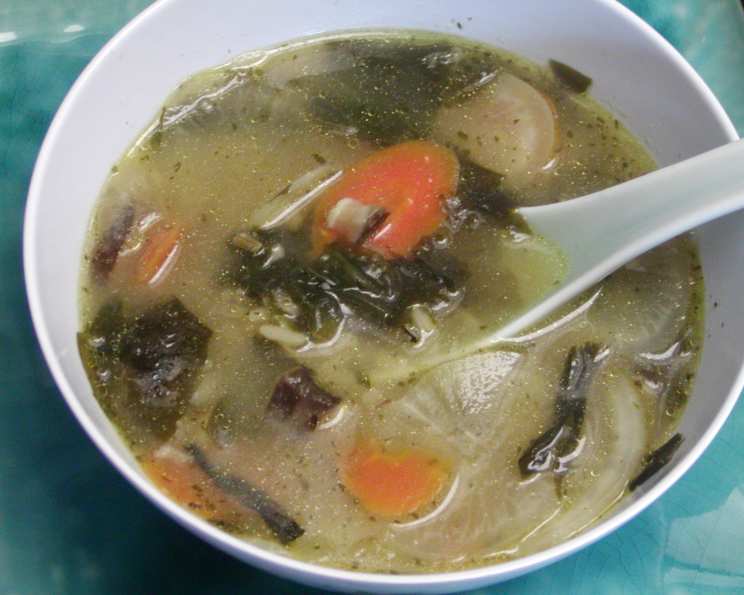
Daikon Zosui: A Gentle Rice Stew for the Soul
The first time I had Daikon Zosui, I was recovering from a nasty cold. My Japanese grandmother, Obaachan, stood over the stove, her movements a familiar dance of warmth and care. The simple aroma of simmering stock and earthy daikon filled her tiny kitchen. With each spoonful of the soothing, savory rice stew, I felt the comforting embrace of her love, slowly nudging me back to health. The subtle sweetness of the daikon, the delicate chew of the rice, and the rich umami of the broth created a symphony of flavors that resonated with both my body and my soul. That day, Daikon Zosui became more than just a meal; it became a memory, a remedy, and a reminder of the power of simple, nourishing food.
Recipe Overview
- Prep Time: 15 minutes
- Cook Time: 25 minutes
- Total Time: 40 minutes
- Servings: 5
- Dietary Type: Vegetarian (easily adaptable to vegan)
Ingredients
- 2 ½ cups cooked short-grain rice
- ¾ cup shiitake mushrooms, thinly sliced
- 1 ½ cups daikon radish, sliced as directed (about a four-inch-long chunk)
- ¼ cup carrot, sliced as directed
- ½ cup wakame seaweed, soaked for five minutes in cold water to cover, then chopped into one-inch-long pieces (discard soaking water)
- 5 cups chicken stock or 5 cups vegetable stock (for a vegetarian or vegan version)
- 1 teaspoon salt
- 2 ½ tablespoons soy sauce
Equipment Needed
- Vegetable peeler
- Stockpot or large saucepan
- Measuring cups and spoons
Instructions
-
Begin by preparing the daikon and carrot. Peel both vegetables. Now, using your vegetable peeler, create ribbons of daikon and carrot that are approximately two inches long, one-half inch wide, and no more than one-eighth inch thick. This method yields delicate pieces that cook quickly and evenly.
-
In a stockpot or large saucepan, pour in the chicken stock (or vegetable stock) and bring it to a medium-high heat.
-
Once the stock is heated, gently add the prepared daikon and carrot ribbons. Cook until the vegetables have softened, which should take about 10 minutes. You’ll know they’re ready when they are easily pierced with a fork.
-
Now, introduce the cooked rice, sliced shiitake mushrooms, and the chopped wakame seaweed into the pot. Bring the mixture to a gentle boil again, stirring occasionally to prevent sticking. This step allows the flavors to meld and the rice to absorb the savory broth.
-
Once boiling, stir in the salt and soy sauce. Taste and adjust the seasoning as needed to your preference.
-
Serve the Daikon Zosui immediately. Be mindful not to overcook the rice at this stage; cooking it for too long will result in an unappetizing, gluey consistency. The key is to heat the rice through without allowing it to break down.
Expert Tips & Tricks
- Enhance the Umami: For a deeper, more complex flavor, consider adding a small piece of kombu (dried kelp) to the stock while it’s simmering. Remove the kombu before adding the rice and other vegetables.
- Perfect Rice Texture: Using slightly older rice (cooked a day or two prior) can help prevent the stew from becoming too thick. Freshly cooked rice tends to release more starch.
- Mushroom Boost: Sauté the shiitake mushrooms in a little sesame oil before adding them to the stew. This intensifies their earthy flavor and adds a delightful aroma.
- Veggie Prep Shortcut: While the peeler method is traditional, you can also use a mandoline slicer for perfectly uniform vegetable ribbons. Just be sure to exercise caution when using a mandoline.
- Spice It Up: For a touch of heat, add a pinch of red pepper flakes or a dash of chili oil to your bowl before serving.
Serving & Storage Suggestions
Daikon Zosui is best served immediately, while the rice is still slightly al dente and the broth is hot and flavorful. Ladle the stew into individual bowls and garnish with a sprinkle of chopped fresh scallions or a nori seaweed sheet, cut into thin strips for an added visual appeal and flavor dimension.
Leftover Daikon Zosui can be stored in an airtight container in the refrigerator for up to 2 days. Keep in mind that the rice will continue to absorb the liquid, so the stew may thicken upon refrigeration. To reheat, gently warm the stew in a saucepan over low heat, adding a little extra stock or water if necessary to achieve the desired consistency. Avoid microwaving if possible, as it can make the rice mushy. Freezing is not recommended, as the rice texture can become quite unpleasant after thawing.
Nutritional Information
| Nutrient | Amount per Serving | % Daily Value |
|---|---|---|
| Calories | 168.5 kcal | N/A |
| Calories from Fat | N/A | N/A |
| Total Fat | 2.1 g | 3% |
| Saturated Fat | 0.5 g | 2% |
| Cholesterol | 2.3 mg | 0% |
| Sodium | 1335.7 mg | 55% |
| Total Carbohydrate | 27.8 g | 9% |
| Dietary Fiber | 0.2 g | 1% |
| Sugars | 0.5 g | 1% |
| Protein | 8.5 g | 16% |
Note: Nutritional information is an estimate and may vary based on specific ingredients and preparation methods.
Variations & Substitutions
- Vegan Zosui: Ensure you use vegetable stock instead of chicken stock. Double-check your soy sauce is vegan.
- Protein Power: Add cooked chicken, tofu, or shrimp to the stew for a protein boost.
- Seasonal Vegetables: Feel free to swap out the daikon and carrot for other seasonal vegetables, such as spinach, mizuna, or bok choy.
- Grain Alternatives: While short-grain rice is traditional, you can experiment with other types of rice, such as brown rice or wild rice, for a nuttier flavor and chewier texture.
- Egg Drop Zosui: For a richer, more comforting version, whisk an egg and drizzle it into the stew during the last minute of cooking. Stir gently to create delicate egg ribbons.
FAQs (Frequently Asked Questions)
Q: Can I use pre-cooked rice from a pouch for this recipe?
A: Yes, pre-cooked rice pouches can be a convenient option. However, be mindful of the sodium content, as some brands can be quite salty. Adjust the amount of salt you add to the stew accordingly.
Q: How do I prevent the rice from becoming mushy?
A: Avoid overcooking the stew once the rice is added. Simply heat it through until warmed. Using slightly older cooked rice can also help.
Q: Can I make this recipe ahead of time?
A: While Daikon Zosui is best served immediately, you can prepare the vegetables and stock ahead of time. Store them separately in the refrigerator and combine them with the cooked rice just before serving.
Q: What is wakame seaweed, and where can I find it?
A: Wakame is a type of edible seaweed commonly used in Japanese cuisine. It has a mild, slightly sweet flavor and a silky texture. You can find it in the Asian section of most supermarkets or at Asian grocery stores.
Q: Can I use dried shiitake mushrooms instead of fresh?
A: Yes, dried shiitake mushrooms work well. Rehydrate them in hot water for about 20 minutes before slicing and adding them to the stew. Be sure to reserve the soaking liquid, as it adds extra umami flavor to the broth.
Final Thoughts
Daikon Zosui is more than just a recipe; it’s an invitation to embrace the simplicity and serenity of Japanese home cooking. Whether you’re seeking a comforting meal on a cold day or a nourishing dish to soothe your body and soul, this gentle rice stew is sure to delight. So gather your ingredients, embrace the process, and savor the deliciousness that awaits. I encourage you to try this recipe, share your feedback, and perhaps even pair it with a cup of warm green tea for the perfect culinary experience. Enjoy!