
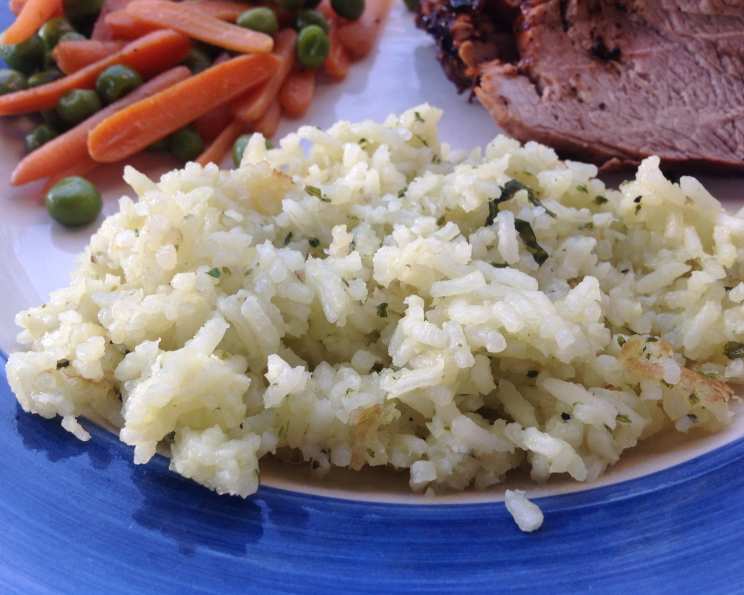
Rice With Onions, Garlic, and Herbs: A Symphony of Simple Flavors
I remember vividly the first time I tasted rice prepared this way. It wasn’t in a fancy restaurant or even at a family gathering. It was in the humble kitchen of a friend’s grandmother, a Brazilian matriarch named Dona Maria. The aroma of garlic and herbs filled the air, a promise of something comforting and deeply flavorful. She served it alongside grilled chicken and feijoada, and the rice, seemingly simple, was the star of the show, tying everything together with its aromatic magic. Ever since, I’ve been captivated by this method, and I’m excited to share my version with you.
Recipe Overview
- Prep Time: 15 minutes
- Cook Time: 20 minutes
- Total Time: 35 minutes
- Servings: 4
- Dietary Type: Gluten-Free
Ingredients
- 1 large onion, peeled and cut into chunks
- 10 garlic cloves, peeled
- 1/2 cup fresh parsley leaves
- 1/2 cup fresh basil leaves
- 3 tablespoons corn oil
- 2 cups long grain rice
- Salt and pepper, to taste
- 3 cups chicken stock (vegetable stock for a vegetarian option)
Equipment Needed
- Food processor
- Large saucepan with a lid
Instructions
- First, prepare the flavor base. Combine the onion, garlic cloves, parsley leaves, and basil leaves in a food processor. Pulse until the mixture forms a coarse puree. Don’t over-process it; you want some texture.
- Place the corn oil in a large saucepan over medium heat. Once the oil is shimmering, add the long grain rice.
- Stir the rice constantly for a few minutes, allowing it to lightly toast in the oil. This step is crucial, as it brings out the nutty flavor of the rice and helps prevent it from becoming sticky. You should start to notice a subtle, pleasant aroma.
- Stir in all but 1 tablespoon of the onion mixture. This reserved tablespoon will be added at the end to brighten the flavors. Add salt and pepper to taste. Cook for another couple of minutes, stirring frequently, until the onion mixture becomes fragrant.
- Pour in the chicken stock. Stir well to ensure the rice is evenly distributed.
- Bring the mixture to a boil over medium-high heat. Once boiling, reduce the heat to medium-low, cover the saucepan tightly with a lid, and let it simmer gently.
- Cook until all the liquid is absorbed, approximately 15-20 minutes. Avoid lifting the lid during this time, as it will release steam and prolong the cooking process.
- After 15 minutes, check the rice. If the liquid is absorbed and the rice is tender, remove the saucepan from the heat. If there is still liquid, continue cooking for a few more minutes, checking periodically, until it’s fully absorbed.
- Once the rice is cooked, gently fluff it with a fork.
- Stir in the reserved tablespoon of the onion mixture. This adds a burst of fresh flavor and vibrancy to the dish.
- Serve immediately.
Expert Tips & Tricks
- Toasting the Rice: Don’t skip the toasting step! It significantly improves the texture and flavor of the rice. Be careful not to burn the rice; keep the heat at medium and stir constantly.
- Stock Temperature: Using warm stock instead of cold stock can slightly reduce the cooking time.
- Doneness Test: To check if the rice is done, tilt the pan slightly. If there’s no visible liquid pooling at the bottom, it’s likely ready. You can also taste a grain of rice to ensure it’s tender.
- Preventing Stickiness: Rinsing the rice before cooking can help remove excess starch and prevent it from becoming sticky. However, for this recipe, toasting the rice is usually sufficient.
- Adjusting Seasoning: Taste the rice after cooking and adjust the salt and pepper as needed. Remember that the stock may already contain salt, so add it judiciously.
Serving & Storage Suggestions
Serve this flavorful rice hot as a side dish to grilled meats, roasted vegetables, stews, or beans. It pairs particularly well with dishes that have a rich sauce, as the rice will soak up all the delicious flavors.
Leftover rice can be stored in an airtight container in the refrigerator for up to 3 days. To reheat, add a tablespoon or two of water or broth to the rice and microwave it until heated through, or reheat it gently in a saucepan over low heat. You can also freeze the cooked rice for longer storage (up to 2 months). Thaw it overnight in the refrigerator before reheating.
Nutritional Information
| Nutrient | Amount per Serving | % Daily Value |
|---|---|---|
| Calories | 380 kcal | 19% |
| Total Fat | 8g | 12% |
| Saturated Fat | 1g | 5% |
| Cholesterol | 0mg | 0% |
| Sodium | 350mg | 15% |
| Total Carbohydrate | 70g | 23% |
| Dietary Fiber | 2g | 8% |
| Sugars | 3g | – |
| Protein | 8g | 16% |
Variations & Substitutions
- Vegetarian/Vegan: Use vegetable stock instead of chicken stock. Ensure the stock is low sodium to control the salt content.
- Herbs: Feel free to experiment with different herbs. Cilantro, thyme, or oregano would be excellent additions or substitutions.
- Spice: For a touch of heat, add a pinch of red pepper flakes to the onion mixture.
- Rice Type: While long grain rice is recommended, you can also use medium grain rice. The cooking time may need to be adjusted slightly. Brown rice can also be used, but it will require a longer cooking time and more liquid.
- Oil: Olive oil can be substituted for corn oil, but it will impart a slightly different flavor. Coconut oil would also work, adding a subtle sweetness.
FAQs (Frequently Asked Questions)
Q: Can I make this rice ahead of time?
A: Yes, you can cook the rice a day or two in advance and store it in the refrigerator. Reheat it gently with a little water or broth before serving.
Q: What if I don’t have fresh herbs?
A: While fresh herbs are preferred, you can use dried herbs. Use about 1 tablespoon of dried parsley and 1 tablespoon of dried basil, and add them to the saucepan along with the rice.
Q: Can I use a different type of stock?
A: Yes, you can use vegetable stock, beef stock, or even water. However, chicken stock adds the most flavor.
Q: My rice is always sticky. What am I doing wrong?
A: Make sure you are toasting the rice properly before adding the liquid. Also, avoid stirring the rice too much while it’s cooking, as this releases starch and can make it sticky.
Q: Can I add other vegetables to this dish?
A: Absolutely! Diced carrots, celery, or peas would be delicious additions. Add them to the saucepan along with the onion mixture.
Final Thoughts
This rice with onions, garlic, and herbs is more than just a side dish; it’s a testament to the power of simple ingredients and careful technique. I urge you to try this recipe and experience the magic for yourself. Feel free to experiment with different herbs and spices to create your own unique flavor profile. And don’t be afraid to share your culinary creations with friends and family. After all, food is best enjoyed when shared!