
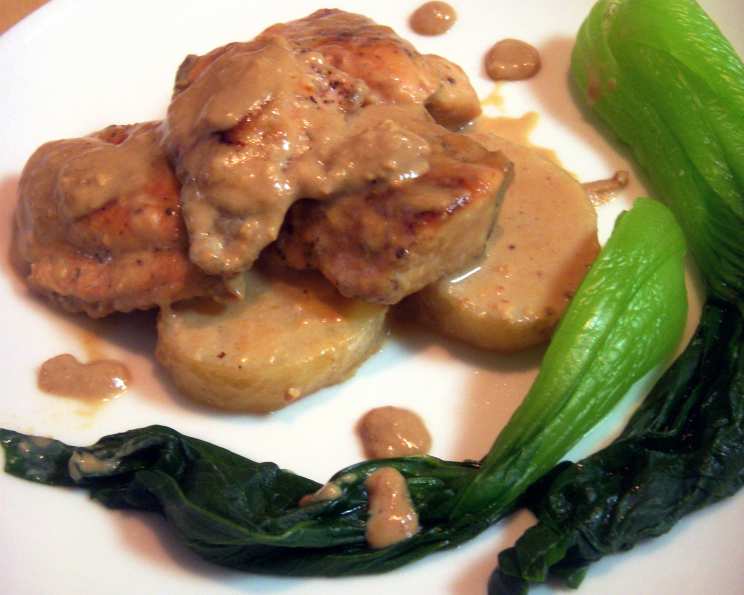
Rich, but Very Healthy, Salmon With Miso Cream
There’s something inherently comforting about the taste of salmon. I remember the first time I truly appreciated it; I was in a small coastal town in Japan, visiting a local fish market with my grandmother. The air was thick with the scent of the sea, and she picked out the freshest-looking salmon, its flesh a vibrant, almost unbelievable pink. That evening, she prepared it simply, but the quality of the fish, combined with her care, made it an unforgettable experience. This recipe, inspired by that trip, brings together the richness of salmon with the umami depth of miso, creating a dish that is both sophisticated and deeply satisfying.
Recipe Overview
- Prep Time: 5 minutes
- Cook Time: 15 minutes
- Total Time: 20 minutes
- Servings: 2
- Dietary Type: Pescatarian
Ingredients
- 250g salmon fillet
- Salt and pepper to taste
- Flour for coating
- 1 1/2 tablespoons white wine
- 2 teaspoons miso paste (awase or regular)
- 100ml soy milk
Equipment Needed
- Non-stick frying pan
- Whisk or fork
Instructions
- If desired, skin the salmon fillet. Then, cut it into 1 1/2 inch squares. This allows for even cooking and creates attractive serving portions.
- Season the salmon lightly with salt and pepper. Remember that miso is naturally salty, so go easy on the salt.
- In a small bowl, combine the soy milk and miso paste. Use a whisk or fork to blend well, ensuring there are no lumps of miso. This is your miso cream base.
- Coat the salmon pieces with a light dusting of flour. Shake off any excess flour. This helps the salmon to brown nicely and prevents the sauce from becoming too thick.
- Heat some oil (about a tablespoon) in a non-stick frying pan over medium-high heat. Make sure the pan is hot before adding the salmon.
- Cook the salmon, skin side down if applicable, until golden brown on both sides. This usually takes about 3-4 minutes per side. The browning adds a depth of flavor to the dish.
- Add the white wine to the pan, being careful as it may sputter. Cover the pan and cook for another 2-3 minutes, or until the salmon is cooked through. The white wine adds acidity and helps to deglaze the pan, lifting up any flavorful browned bits. The salmon is done when it flakes easily with a fork.
- Remove the salmon from the pan and set aside to keep warm. You can cover it with foil to prevent it from drying out.
- In the same pan with the remaining liquid, add the mixture of soy milk and miso. Heat it over medium heat, stirring constantly, until it reaches your desired thickness. This usually takes a few minutes. Be careful not to boil the sauce, as it can become too thick and salty.
- Taste the sauce and adjust with a little more soy milk if needed to reduce the saltiness. Remember that the sauce will thicken as it cools slightly.
- Arrange the salmon and any desired vegetables on a plate. You might consider steamed green beans, asparagus, or bok choy as accompaniments.
- Pour the miso cream sauce over the salmon and vegetables. Serve immediately.
- If you wish to reheat the salmon and vegetables in the sauce, be careful not to overcook them, as the sauce can quickly become too thick and salty upon reheating.
Expert Tips & Tricks
- For a richer flavor, use a high-quality sake instead of white wine.
- If you don’t have soy milk, you can substitute with almond milk or light coconut milk, but the flavor will be slightly different.
- To prevent the salmon from sticking to the pan, ensure the pan is hot and the oil is shimmering before adding the fish.
- For extra flavor, add a small knob of butter to the sauce at the end.
- Experiment with different types of miso paste. White miso (shiro miso) is milder, while red miso (aka miso) is stronger and saltier.
- If the sauce becomes too thick, add a splash of water or soy milk to thin it out.
- For a spicier kick, add a pinch of red pepper flakes to the sauce.
Serving & Storage Suggestions
Serve this dish immediately for the best flavor and texture. Garnish with a sprinkle of sesame seeds or chopped green onions for added visual appeal. Leftovers can be stored in an airtight container in the refrigerator for up to 2 days. Reheat gently in a pan over low heat, adding a little extra soy milk if the sauce has thickened too much. Avoid reheating in the microwave, as the salmon can become dry and rubbery. This dish is not suitable for freezing, as the sauce may separate and the salmon texture will suffer.
Nutritional Information
| Nutrient | Amount per Serving | % Daily Value |
|---|---|---|
| Calories | 250 kcal | 13% |
| Total Fat | 12g | 18% |
| Saturated Fat | 3g | 15% |
| Cholesterol | 80mg | 27% |
| Sodium | 400mg | 17% |
| Total Carbohydrate | 5g | 2% |
| Dietary Fiber | 1g | 4% |
| Sugars | 2g | N/A |
| Protein | 30g | 60% |
Note: Nutritional information is an estimate and may vary based on specific ingredients and portion sizes.
Variations & Substitutions
- Gluten-Free: Ensure the soy milk is gluten-free and use a gluten-free flour blend for coating the salmon. Tamari sauce can be used as a substitute for soy sauce if desired.
- Dairy-Free: The recipe is already dairy-free, but double-check the ingredients list of your miso paste, as some brands may contain trace amounts of dairy.
- Vegetarian (Miso Cream Sauce Only): While this recipe features salmon, the miso cream sauce itself is incredibly versatile. Try it with tofu, tempeh, or vegetables for a vegetarian option.
- Seasonal Adaptation: In the spring, serve with asparagus and new potatoes. In the fall, pair with roasted butternut squash or Brussels sprouts.
FAQs (Frequently Asked Questions)
Q: Can I use a different type of fish?
A: Yes, while salmon is the star of this dish, you can easily substitute it with other firm-fleshed fish like cod, sea bass, or halibut. Just adjust the cooking time accordingly.
Q: What kind of miso paste should I use?
A: Both awase miso (a blend of red and white miso) and regular miso work well in this recipe. White miso will result in a milder, sweeter sauce, while red miso will be bolder and saltier. Experiment to find your preference!
Q: Can I make the miso cream sauce ahead of time?
A: Yes, you can prepare the miso cream sauce up to a day in advance. Store it in an airtight container in the refrigerator. When reheating, add a splash of soy milk or water to thin it out if necessary.
Q: How do I know when the salmon is cooked through?
A: The salmon is cooked when it flakes easily with a fork and is opaque throughout. An internal temperature of 145°F (63°C) is recommended.
Q: Can I add vegetables directly to the pan while cooking the salmon?
A: Yes, you can add vegetables like asparagus, broccoli florets, or sliced mushrooms to the pan during the last few minutes of cooking. This is a great way to create a one-pan meal. Just be sure to adjust the cooking time as needed.
Final Thoughts
This Rich, but Very Healthy, Salmon with Miso Cream is a testament to the power of simple ingredients combined with mindful preparation. The dish is both comforting and elegant, perfect for a weeknight meal or a special occasion. Don’t be afraid to experiment with the sauce and vegetables to create your own signature version. We’d love to hear about your culinary adventures, so please share your feedback and any variations you discover. And if you’re looking for the perfect pairing, consider a crisp, dry white wine like Sauvignon Blanc or a chilled sake to complement the richness of the salmon and the umami of the miso.