
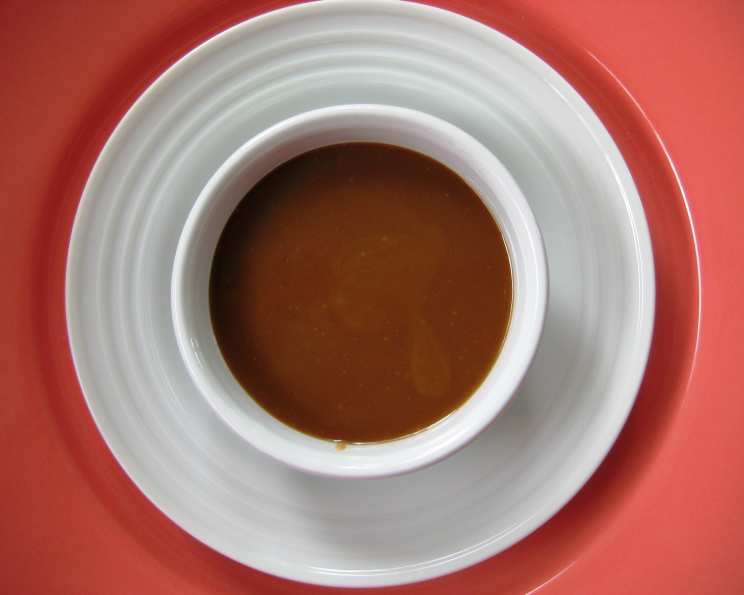
The Alchemy of Caramel: Crafting Liquid Gold at Home
The first time I truly understood the magic of caramel, I was perched on a stool in my grandmother’s sun-drenched kitchen. The air hung thick with the scent of melting sugar and simmering cream. She was making caramel apples for the church bazaar, her movements precise and practiced. I remember being mesmerized as the granulated sugar transformed into a molten amber river, a transformation that felt like pure alchemy. That day, caramel wasn’t just a flavor; it was a connection to family, tradition, and a touch of edible enchantment.
Recipe Overview
- Prep Time: 5 minutes
- Cook Time: 12 minutes
- Total Time: 17 minutes
- Yields: 1 1/2 cups
- Dietary Type: Vegetarian
Ingredients
- 4 tablespoons butter
- 1 cup sugar
- 1 cup heavy cream
Equipment Needed
- Saucepan (medium-sized, heavy-bottomed recommended)
- Whisk or heat-resistant spatula
- Measuring cups and spoons
Instructions
-
Begin by melting 4 tablespoons of butter in a saucepan over medium-high heat. A heavy-bottomed pan helps to distribute heat evenly and prevent scorching.
-
Add 1 cup of sugar to the melted butter. Cook, stirring occasionally with a whisk or spatula, until the sugar is fully melted and the mixture transforms into a deep amber color. This crucial step takes approximately 4 to 6 minutes. Watch the color closely; the transition from golden to amber happens quickly, and you don’t want to burn the sugar. Burnt sugar will result in a bitter caramel.
-
Once the caramel reaches a rich amber hue, immediately remove the saucepan from the heat. This is vital to prevent overcooking.
-
Carefully and gradually stir in 1 cup of heavy cream. The mixture will bubble vigorously and may seize up initially as the cold cream hits the hot caramel. Don’t panic! Continue stirring constantly and smoothly. The caramel will eventually loosen and become smooth.
-
Return the saucepan to the heat and cook until the caramel is completely smooth and homogenous, about 2 minutes. Stir continuously during this stage to ensure even heating and prevent sticking.
-
Remove from heat and allow to cool slightly before using. The caramel will thicken as it cools.
Expert Tips & Tricks
-
The Right Sugar: Granulated white sugar works best for this recipe, providing a clean, consistent caramel flavor. Avoid using powdered sugar or brown sugar, as they will affect the texture and flavor of the sauce.
-
Watch the Color: The color of the caramel is your best indicator of doneness. Aim for a deep amber, but be vigilant. Burnt caramel is bitter and unusable. It’s better to err on the side of slightly undercooked rather than overcooked.
-
Warm the Cream: Warming the heavy cream slightly before adding it to the caramel can help prevent seizing and ensure a smoother sauce. You can gently heat the cream in a separate saucepan or microwave it briefly.
-
Salted Caramel: For a salted caramel variation, add a pinch of sea salt (about 1/4 teaspoon) to the caramel at the end of cooking. Adjust the amount of salt to your preference.
-
Troubleshooting Seizing: If the caramel seizes up when you add the cream, don’t give up! Continue stirring over low heat until the sugar dissolves again and the mixture becomes smooth. A little patience is key.
-
Preventing Crystallization: Sometimes sugar crystals can form in caramel sauce. To prevent this, you can add a tablespoon of corn syrup or lemon juice along with the sugar at the beginning of the cooking process. These ingredients help to invert the sugar and prevent crystallization.
-
Flavor Infusions: Consider infusing the cream with flavor before adding it to the caramel. Vanilla bean, cinnamon sticks, or citrus zest can add subtle and delicious notes to your caramel sauce. Simply heat the cream with the flavoring agent, let it steep for 30 minutes, then strain before using.
-
Make Ahead: This caramel sauce can be made ahead of time and stored in the refrigerator for up to a week. Reheat gently before serving.
Serving & Storage Suggestions
This rich caramel sauce is incredibly versatile. Drizzle it over ice cream, cakes, brownies, or waffles. Use it as a dip for apples or pretzels. Stir it into coffee or milkshakes. The possibilities are endless!
For storage, allow the caramel sauce to cool completely. Then, transfer it to an airtight container and store it in the refrigerator for up to one week. The caramel will thicken considerably when chilled.
To reheat, gently warm the caramel sauce in a saucepan over low heat, stirring occasionally, or microwave it in short intervals, stirring in between, until it reaches the desired consistency. If the caramel is too thick, you can add a tablespoon or two of milk or cream to thin it out.
Do not store at room temperature. Freezing is not recommended, as the texture may change upon thawing.
Nutritional Information
(Approximate values per serving – about 2 tablespoons)
| Nutrient | Amount per Serving | % Daily Value* |
|---|---|---|
| Calories | 220 kcal | 11% |
| Total Fat | 16g | 25% |
| Saturated Fat | 10g | 50% |
| Cholesterol | 50mg | 17% |
| Sodium | 15mg | 1% |
| Total Carbohydrate | 18g | 6% |
| Dietary Fiber | 0g | 0% |
| Sugars | 17g | N/A |
| Protein | 0.5g | 1% |
*Percent Daily Values are based on a 2,000 calorie diet.
Variations & Substitutions
-
Dairy-Free Caramel: While this classic recipe relies on butter and heavy cream, you can experiment with dairy-free alternatives. Coconut cream or cashew cream can be used in place of heavy cream, and vegan butter substitutes can be used instead of dairy butter. Be aware that the flavor and texture will be slightly different.
-
Bourbon Caramel: Add a splash of bourbon (about 1-2 tablespoons) to the caramel sauce at the end of cooking for a sophisticated twist.
-
Spiced Caramel: Infuse the heavy cream with warm spices like cinnamon, cardamom, or nutmeg for a seasonal variation.
-
Coffee Caramel: Add a tablespoon of instant espresso powder to the sugar when you begin cooking for a coffee-flavored caramel.
FAQs (Frequently Asked Questions)
Q: Why did my caramel sauce turn out grainy?
A: Grainy caramel is often caused by sugar crystals forming. This can happen if the sugar wasn’t fully dissolved during the cooking process or if the caramel was stirred too much. Adding a tablespoon of corn syrup or lemon juice can help prevent crystallization.
Q: Can I use light cream instead of heavy cream?
A: While you can use light cream, the resulting caramel will be thinner and less rich. Heavy cream provides the necessary fat content for a thick and decadent sauce.
Q: How do I know when the caramel is done cooking?
A: The best way to determine doneness is by observing the color. The caramel should be a deep amber color. A candy thermometer can also be used; aim for a temperature of around 340°F (170°C).
Q: My caramel sauce is too thick. How can I thin it out?
A: If your caramel sauce is too thick, you can gently warm it in a saucepan over low heat and add a tablespoon or two of milk or cream until it reaches the desired consistency.
Q: Can I add nuts to the caramel sauce?
A: Absolutely! Stir in toasted nuts like pecans, walnuts, or almonds at the end of cooking for a crunchy and flavorful caramel sauce.
Final Thoughts
Making caramel sauce from scratch might seem intimidating, but it’s a rewarding culinary adventure. With a little patience and attention to detail, you can create a rich, decadent sauce that will elevate your desserts to new heights. Don’t be afraid to experiment with flavors and variations to create your own signature caramel. And most importantly, enjoy the process of transforming simple ingredients into liquid gold! Share your creations with friends and family, and let them experience the magic of homemade caramel. It’s a flavor they won’t soon forget.